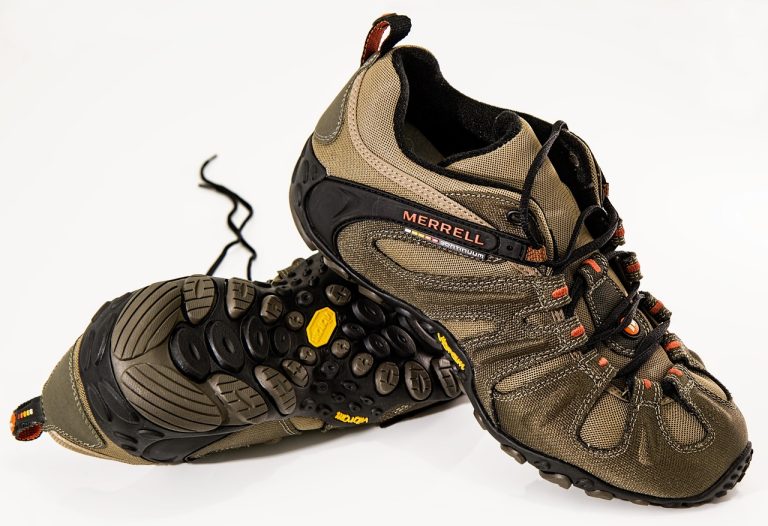
Moving more throughout the day isn’t just about hitting the gym; it’s about weaving activity into the fabric of your daily life. In today’s sedentary world, intentional movement is more crucial than ever for our physical and mental well-being. This guide will provide you with practical strategies to effortlessly incorporate more movement into your routine, leading to a healthier, happier you.
Understanding the Importance of Daily Movement
The Dangers of Sedentary Behavior
Prolonged sitting has been linked to a myriad of health problems. Studies have shown that extended periods of inactivity increase the risk of:
- Heart disease
- Type 2 diabetes
- Obesity
- Certain types of cancer
- Premature mortality
Even if you exercise regularly, long hours spent sitting can negate many of the benefits of your workouts. It’s crucial to break up sedentary periods with short bursts of activity.
Benefits of Increased Daily Activity
Conversely, incorporating more movement into your day yields significant advantages:
- Improved Cardiovascular Health: Regular movement strengthens your heart and improves blood circulation.
- Weight Management: Increased activity helps burn more calories, aiding in weight loss or maintenance.
- Enhanced Mood and Energy Levels: Physical activity releases endorphins, which have mood-boosting and energizing effects.
- Stronger Bones and Muscles: Weight-bearing activities help maintain bone density and muscle mass.
- Reduced Risk of Chronic Diseases: As mentioned above, combatting sedentary risks.
- Improved Sleep Quality: Regular activity can promote better sleep patterns.
Simple Strategies to Move More at Work
Taking Frequent Breaks
Avoid prolonged sitting by setting reminders to stand up and move every 30-60 minutes. Even a short 2-3 minute break can make a difference.
- Set a timer on your computer or phone to remind you to stand up.
- Use a standing desk or adjustable desk to alternate between sitting and standing.
- Walk around the office while taking phone calls.
- Do some quick stretches at your desk.
Incorporating Movement into Meetings
Meetings don’t always have to be sedentary. Look for opportunities to move during meetings.
- Suggest walking meetings for one-on-one discussions.
- Stand up during longer meetings to stretch or pace around.
- Use a whiteboard to brainstorm ideas, requiring you to move around.
Leveraging Lunch Breaks
Your lunch break is a prime opportunity to get some movement in. Don’t spend the entire time sitting down.
- Take a walk outside or around the building.
- Visit a nearby park or trail for a quick hike.
- Do some light stretching or yoga.
- Take the stairs instead of the elevator to get to lunch.
Moving More at Home
Active Chores
Household chores can be a great way to sneak in some extra activity.
- Put on some music and dance while you clean.
- Take multiple trips while bringing in groceries, parking further away.
- Spend time gardening or doing yard work.
- Walk the dog.
- Play actively with your kids or pets.
Incorporating Exercise into Daily Routines
Integrate short bursts of exercise into your daily schedule.
- Do squats or lunges while brushing your teeth.
- Do jumping jacks during TV commercials.
- Stretch while waiting for your coffee to brew.
- Use the stairs instead of the elevator.
- Walk or bike for short errands instead of driving.
Prioritizing Active Leisure
Choose leisure activities that involve movement rather than just sitting around.
- Go for a hike or bike ride.
- Play a sport with friends or family.
- Take a dance class.
- Join a walking or running club.
- Try a new activity like kayaking or rock climbing.
Tracking Your Progress and Staying Motivated
Using Activity Trackers and Apps
Wearable activity trackers and smartphone apps can help you monitor your daily movement and set goals.
- Track your steps, active minutes, and distance traveled.
- Set realistic goals and gradually increase your activity levels.
- Use apps that provide reminders to move and celebrate your achievements.
- Consider using a fitness tracker that monitors your sleep.
Setting Realistic Goals
Start small and gradually increase your activity levels over time.
- Aim for 150 minutes of moderate-intensity aerobic activity per week, as recommended by the CDC.
- Break up your activity into smaller chunks throughout the day.
- Focus on consistency rather than intensity.
- Reward yourself for reaching your goals.
Finding an Accountability Partner
Having someone to support you can help you stay motivated and on track.
- Find a friend, family member, or coworker to be your accountability partner.
- Share your goals and progress with each other.
- Encourage and support each other.
- Exercise together or participate in group fitness activities.
Overcoming Common Barriers
Time Constraints
Many people believe they don’t have enough time to move more. But small changes can make a big difference.
- Break up your activity into smaller chunks (e.g., 10-minute walks throughout the day).
- Multitask by walking while talking on the phone or listening to a podcast.
- Schedule movement into your calendar like any other important appointment.
- Incorporate activity into your commute (e.g., walk or bike part of the way).
Physical Limitations
If you have physical limitations, consult with your doctor or a physical therapist to find safe and effective ways to move.
- Start with low-impact activities like walking, swimming, or chair exercises.
- Modify exercises to suit your abilities.
- Listen to your body and avoid pushing yourself too hard.
- Consider working with a certified personal trainer who specializes in working with people with disabilities.
Lack of Motivation
It’s normal to experience periods of low motivation. Try different strategies to reignite your enthusiasm.
- Find activities you enjoy.
- Listen to music or podcasts while you move.
- Exercise with a friend or in a group.
- Reward yourself for reaching your goals.
- Focus on the benefits of moving more, such as improved energy levels and mood.
Conclusion
Incorporating more movement into your daily life is a powerful investment in your health and well-being. By adopting these simple strategies, you can break free from sedentary habits and reap the numerous benefits of an active lifestyle. Remember to start small, set realistic goals, and find activities you enjoy. Your body will thank you for it!