Tight hamstrings can feel like a persistent ache in the back of your legs, limiting your flexibility, impacting your posture, and even contributing to lower back pain. Whether you’re an athlete striving for peak performance, a desk worker combating the effects of prolonged sitting, or simply someone aiming to improve your overall well-being, incorporating regular hamstring stretches into your routine is crucial. This guide will walk you through the importance of hamstring flexibility and provide a comprehensive overview of effective stretches you can easily incorporate into your daily life.
Understanding Hamstring Anatomy and Function
Anatomy of the Hamstring Muscles
The hamstring muscle group is comprised of three muscles located at the back of your thigh:
- Biceps Femoris: This muscle has two heads, one long and one short, and is located on the outer side of the thigh.
- Semitendinosus: This muscle runs along the inner side of the thigh, from the hip to just below the knee.
- Semimembranosus: This muscle is also on the inner side of the thigh, lying deep to the semitendinosus.
These muscles work together to perform several key functions, including:
- Knee flexion: Bending your knee.
- Hip extension: Moving your leg backwards.
- Pelvic stabilization: Helping to maintain a stable posture.
The Importance of Hamstring Flexibility
Flexible hamstrings are essential for a variety of reasons. Reduced flexibility can lead to:
- Lower Back Pain: Tight hamstrings can pull on the pelvis, contributing to lower back strain and pain.
- Poor Posture: Limited hamstring flexibility can affect spinal alignment, leading to slouching and poor posture.
- Increased Risk of Injury: Tight muscles are more prone to strains and tears, especially during physical activity. Studies have shown that athletes with poor hamstring flexibility are at a higher risk of hamstring injuries.
- Limited Range of Motion: Everyday activities like bending over to pick something up or walking uphill can become more difficult.
- Decreased Athletic Performance: Tight hamstrings can hinder running speed, jumping ability, and overall athletic performance.
Effective Hamstring Stretches
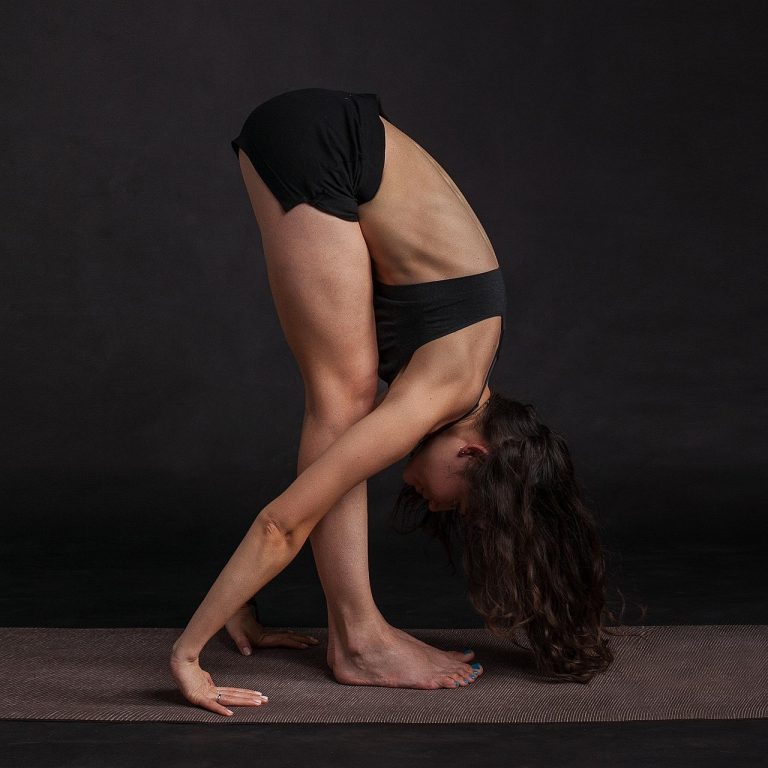
Standing Hamstring Stretch
This is a simple stretch that can be performed almost anywhere.
Stand with your feet hip-width apart.
Slightly bend one knee while keeping the other leg straight.
Lean forward from your hips, keeping your back straight and core engaged. Avoid rounding your back.
Reach towards your toes or as far down your leg as you comfortably can.
Hold the stretch for 20-30 seconds, breathing deeply.
Repeat on the other leg.
- Tip: If you can’t reach your toes, don’t worry! Focus on maintaining a straight back and feeling the stretch in the back of your thigh.
Seated Hamstring Stretch
This stretch allows for a deeper stretch, especially when performed correctly.
Sit on the floor with both legs extended straight out in front of you.
Sit up tall, maintaining good posture.
Reach forward towards your toes, keeping your back as straight as possible. Avoid rounding your back.
Hold the stretch for 20-30 seconds, breathing deeply.
Repeat several times.
- Tip: You can modify this stretch by using a towel or resistance band around your feet to help you reach further.
Lying Hamstring Stretch (Towel Stretch)
This is a great stretch for isolating the hamstring and can be done with minimal strain.
Lie on your back with your knees bent and feet flat on the floor.
Bring one knee towards your chest.
Loop a towel or resistance band around the arch of your foot.
Slowly straighten your leg towards the ceiling, keeping a slight bend in your knee to avoid overextension.
Gently pull on the towel to deepen the stretch, feeling it in the back of your thigh.
Hold for 20-30 seconds, breathing deeply.
Repeat on the other leg.
- Tip: Make sure to keep your lower back pressed against the floor to prevent arching and potential strain.
Dynamic Hamstring Stretches
Dynamic stretches involve movement and are excellent for warming up before exercise.
- Leg Swings: Stand tall and swing one leg forward and backward, gradually increasing the range of motion. Repeat 10-15 times on each leg.
- Walking Hamstring Stretch: While walking, stop and bend forward to touch your toes (or as far as you comfortably can), then continue walking. Repeat several times.
- Butt Kicks: Jog in place and kick your heels up towards your glutes. This stretches the quadriceps but also requires hamstring flexibility.
- Important Note: Dynamic stretches should be performed with controlled movements and should not be forced.
Incorporating Stretches into Your Routine
Frequency and Duration
- Frequency: Aim to stretch your hamstrings at least 2-3 times per week. Daily stretching is even better, especially if you have tight hamstrings.
- Duration: Hold each static stretch (like the seated or lying stretches) for 20-30 seconds. Repeat each stretch 2-3 times. Dynamic stretches should be performed for 10-15 repetitions per leg.
When to Stretch
- After Exercise: Stretching after a workout when your muscles are warm is highly effective.
- Before Exercise (Dynamic Stretches): Perform dynamic stretches as part of your warm-up to prepare your muscles for activity.
- Throughout the Day: Incorporate short stretching breaks throughout the day, especially if you spend a lot of time sitting.
Listen to Your Body
- Pain vs. Discomfort: Stretching should feel like a gentle pull, not sharp pain. If you experience pain, stop immediately.
- Progression: Gradually increase the intensity and duration of your stretches as your flexibility improves.
- Consistency is Key: Regular stretching is more important than pushing yourself too hard. Be patient and consistent with your efforts.
Common Mistakes to Avoid
Rounding Your Back
- Why it’s bad: Rounding your back during hamstring stretches puts unnecessary strain on your spine and can decrease the effectiveness of the stretch.
- Solution: Focus on maintaining a straight back and hinging at the hips. Bend your knees slightly if needed to keep your back straight.
Bouncing
- Why it’s bad: Bouncing during stretches can trigger a stretch reflex, causing your muscles to contract instead of relax.
- Solution: Hold stretches in a static position for 20-30 seconds, allowing your muscles to gradually lengthen.
Overstretching
- Why it’s bad: Overstretching can lead to muscle strains and injuries.
- Solution: Listen to your body and stop if you feel pain. Focus on a gentle, controlled stretch.
Holding Your Breath
- Why it’s bad: Holding your breath can increase tension in your muscles and reduce the effectiveness of the stretch.
- Solution: Breathe deeply and evenly throughout the stretch. Focus on exhaling as you deepen the stretch.
Conclusion
Incorporating regular hamstring stretches into your routine is a simple yet powerful way to improve your flexibility, posture, and overall well-being. By understanding the anatomy of the hamstring muscles, performing effective stretches, and avoiding common mistakes, you can unlock a greater range of motion, reduce your risk of injury, and enhance your athletic performance. Start slowly, listen to your body, and be consistent with your efforts. Your hamstrings (and your body!) will thank you.