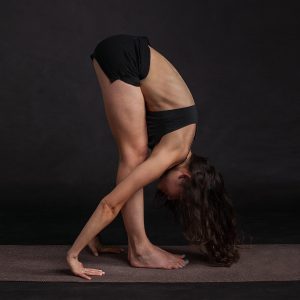
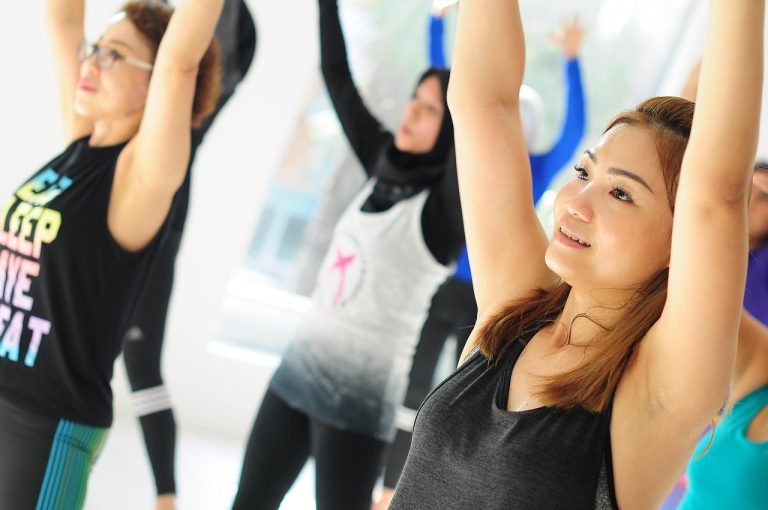
Unlocking a more comfortable, pain-free, and energetic life is within your reach, and it all starts with a simple, consistent flexibility routine right in the comfort of your home. No expensive gym memberships or complicated equipment needed. Just a few minutes each day dedicated to stretching and moving can dramatically improve your range of motion, reduce muscle stiffness, and enhance your overall well-being. Let’s explore how to build the perfect home flexibility routine for you.
Understanding the Importance of Flexibility
Benefits of Regular Stretching
Flexibility is more than just being able to touch your toes. It’s a vital component of physical health, influencing everything from injury prevention to improved athletic performance.
- Reduced Risk of Injury: Flexible muscles are less likely to strain or tear during physical activity. A study published in the Journal of Strength and Conditioning Research found that individuals with better hamstring flexibility experienced fewer lower extremity injuries.
- Improved Posture: Tight muscles can pull your body out of alignment, leading to poor posture. Stretching helps to release tension and restore proper alignment.
- Increased Range of Motion: Flexibility exercises increase the range of motion in your joints, making everyday tasks easier and more comfortable.
- Reduced Muscle Soreness: Stretching after exercise can help to reduce muscle soreness and speed up recovery.
- Stress Relief: Stretching can also have a calming effect on the mind and body, helping to reduce stress and anxiety. Static stretching, in particular, has been shown to decrease levels of cortisol, the stress hormone.
Assessing Your Current Flexibility
Before you start any new exercise routine, it’s crucial to understand your current level of flexibility. A simple self-assessment can help you identify areas where you need to focus your efforts.
- Toe Touch Test: Stand with your feet together and try to touch your toes. Note how far you can reach.
- Shoulder Reach Test: Reach one arm over your shoulder and down your back, while reaching the other arm up from below to try and meet your fingers. Note the distance between your fingers.
- Sit-and-Reach Test: Sit on the floor with your legs extended straight out in front of you. Reach forward as far as you can and measure the distance.
These simple tests can provide a baseline for tracking your progress over time.
Designing Your Home Flexibility Routine
Types of Stretches to Include
There are several different types of stretches you can incorporate into your routine, each with its own benefits.
- Static Stretching: Holding a stretch for 15-30 seconds. This is best done after a warm-up or workout. Example: Hamstring stretch, quad stretch.
- Dynamic Stretching: Moving through a range of motion. This is best done as a warm-up before exercise. Example: Arm circles, leg swings.
- PNF (Proprioceptive Neuromuscular Facilitation) Stretching: Involves contracting and relaxing the muscle being stretched. This is often done with a partner but can be modified for solo practice. Example: Contract-relax hamstring stretch.
- Ballistic Stretching: Using bouncing movements to push your muscles beyond their normal range of motion. This type of stretching is not recommended for beginners as it can increase the risk of injury.
Structuring a Weekly Routine
Consistency is key to improving flexibility. Aim for at least 2-3 stretching sessions per week, focusing on different muscle groups each time.
- Monday: Lower body (hamstrings, quads, calves, glutes)
- Wednesday: Upper body (shoulders, chest, back, triceps, biceps)
- Friday: Full body (a combination of stretches targeting all major muscle groups)
Remember to listen to your body and avoid pushing yourself too hard, especially when starting.
Essential Stretches for a Full-Body Routine
Lower Body Stretches
These stretches target the major muscle groups in your lower body, helping to improve mobility and reduce the risk of injury.
- Hamstring Stretch: Sit on the floor with one leg extended straight out and the other bent with the sole of your foot against your inner thigh. Reach towards your toes on the extended leg, keeping your back straight. Hold for 30 seconds and repeat on the other side.
- Quad Stretch: Stand with one hand on a wall for balance. Grab your ankle and gently pull your heel towards your buttock. Hold for 30 seconds and repeat on the other side.
- Calf Stretch: Stand facing a wall with one foot slightly behind the other. Lean forward, keeping your back heel on the ground, until you feel a stretch in your calf. Hold for 30 seconds and repeat on the other side.
- Glute Stretch (Piriformis Stretch): Lie on your back with your knees bent. Place your right ankle on your left knee. Pull your left thigh towards your chest until you feel a stretch in your right glute. Hold for 30 seconds and repeat on the other side.
Upper Body Stretches
These stretches focus on improving flexibility in your upper body, relieving tension, and improving posture.
- Shoulder Stretch: Reach one arm across your body and hold it with your other hand. Gently pull your arm towards your chest until you feel a stretch in your shoulder. Hold for 30 seconds and repeat on the other side.
- Triceps Stretch: Reach one arm overhead and bend your elbow, bringing your hand towards your upper back. Use your other hand to gently pull your elbow further down. Hold for 30 seconds and repeat on the other side.
- Chest Stretch: Stand in a doorway with your arms extended to the sides, forming a “T” shape. Lean forward until you feel a stretch in your chest. Hold for 30 seconds.
- Back Stretch (Cat-Cow): Start on your hands and knees. Inhale and arch your back, dropping your belly towards the floor (cow pose). Exhale and round your back, tucking your chin to your chest (cat pose). Repeat 10-15 times.
Tips for a Safe and Effective Routine
Warming Up Before Stretching
Never stretch cold muscles. A proper warm-up prepares your muscles for stretching and reduces the risk of injury.
- Light Cardio: 5-10 minutes of light cardio, such as walking or jogging in place, can increase blood flow to your muscles.
- Dynamic Stretching: Incorporate dynamic stretches like arm circles, leg swings, and torso twists to further prepare your muscles for stretching.
Listening to Your Body
It’s crucial to pay attention to your body and avoid pushing yourself too hard. Stretching should feel comfortable, not painful.
- Stop if you feel pain: If you experience any sharp or intense pain, stop stretching immediately.
- Breathe deeply: Deep breathing can help to relax your muscles and improve the effectiveness of your stretches.
- Maintain proper form: Using correct form is essential for preventing injuries and maximizing the benefits of stretching.
Using Props and Modifications
Don’t be afraid to use props like yoga straps, blocks, or towels to modify stretches and make them more accessible.
- Yoga Strap: Use a yoga strap to help you reach your toes in hamstring stretches or to deepen your shoulder stretches.
- Pillow or Blanket: Use a pillow or blanket to support your knees or hips in certain stretches, especially if you have limited flexibility.
Tracking Progress and Staying Motivated
Keeping a Stretching Journal
Tracking your progress can help you stay motivated and see the results of your efforts.
- Record your stretches: Write down the stretches you performed, how long you held them, and how they felt.
- Note any improvements: Track your range of motion and flexibility over time.
- Identify areas for improvement: Use your journal to identify areas where you need to focus your efforts.
Setting Realistic Goals
Set small, achievable goals to stay motivated and avoid feeling overwhelmed.
- Start with 5 minutes a day: Even just 5 minutes of stretching can make a difference.
- Focus on one muscle group at a time: Choose one or two muscle groups to focus on each week.
- Celebrate your progress: Acknowledge and celebrate your accomplishments, no matter how small.
Conclusion
Incorporating a flexibility routine into your daily life is an investment in your long-term health and well-being. By understanding the benefits of flexibility, designing a personalized routine, and staying consistent, you can unlock a more comfortable, pain-free, and energetic life. Remember to listen to your body, stay motivated, and enjoy the journey to improved flexibility. Start today, and you’ll be amazed at the difference it can make.