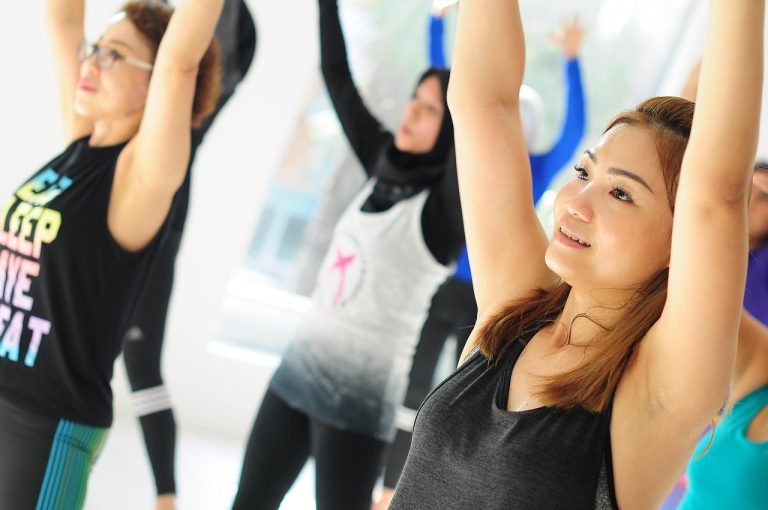
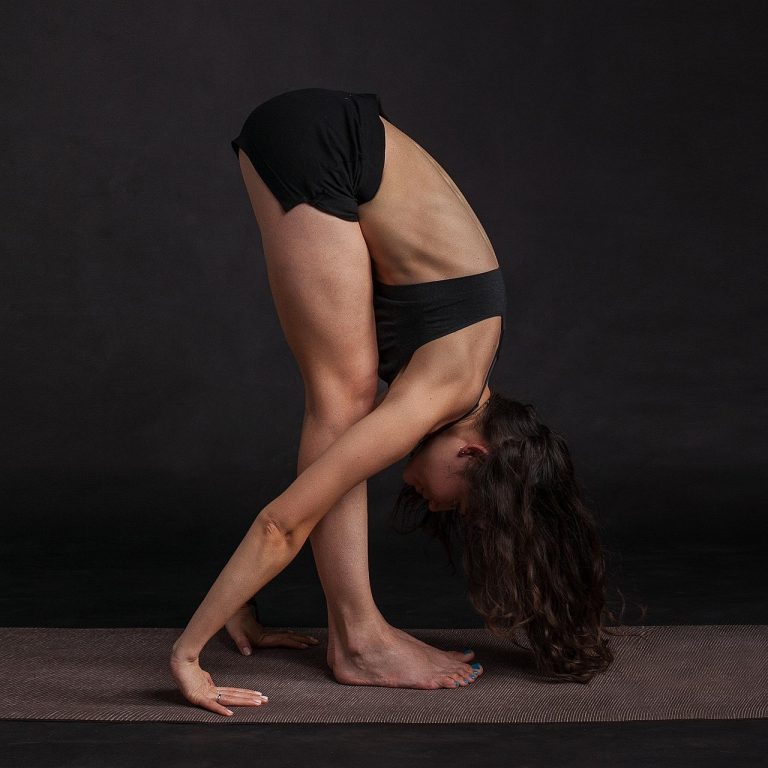
Feeling stressed, stiff, or just plain worn out? Before you reach for that caffeine boost, consider a far more restorative solution: gentle stretching. Incorporating relaxing stretches into your daily routine can be a game-changer for your physical and mental well-being, improving everything from flexibility and posture to mood and sleep quality. This comprehensive guide will walk you through everything you need to know to get started, providing practical examples and actionable tips for a more relaxed and rejuvenated you.
Understanding the Benefits of Relaxing Stretches
Physical Benefits
Stretching isn’t just about touching your toes (though that’s a great achievement!). It offers a wide range of physical benefits that contribute to overall health and well-being.
- Improved Flexibility: Regular stretching increases the range of motion in your joints, making everyday movements easier and more comfortable. Studies show that consistent stretching can significantly improve flexibility in as little as 4 weeks.
- Reduced Muscle Tension: Stretching helps release built-up tension in your muscles, alleviating stiffness and soreness, particularly in the neck, shoulders, and back.
- Better Posture: By lengthening tight muscles, stretching helps you maintain proper alignment, improving posture and reducing strain on your spine.
- Increased Circulation: Stretching promotes blood flow to your muscles, which can aid in recovery and reduce the risk of injury.
- Pain Management: Gentle stretching can be an effective way to manage chronic pain conditions like arthritis and fibromyalgia.
Mental Benefits
Beyond the physical, stretching offers significant benefits for your mental and emotional well-being.
- Stress Reduction: Stretching helps activate the parasympathetic nervous system, promoting relaxation and reducing the production of stress hormones like cortisol.
- Improved Mood: Stretching can release endorphins, natural mood boosters that leave you feeling happier and more content.
- Enhanced Mindfulness: Focusing on your body and breath during stretching can cultivate mindfulness, helping you stay present and grounded.
- Better Sleep Quality: Incorporating stretching into your evening routine can help relax your body and mind, promoting better sleep quality.
Key Principles for Safe and Effective Stretching
Warm-Up is Crucial
Never stretch cold muscles. A light warm-up, such as a brisk walk or gentle cardio, increases blood flow to your muscles and prepares them for stretching. Aim for 5-10 minutes of low-intensity activity.
Proper Technique is Essential
- Breathe Deeply: Breathe slowly and deeply throughout each stretch. This helps relax your muscles and deepen the stretch.
- Hold Each Stretch: Hold each stretch for 20-30 seconds. This allows your muscles to lengthen and release tension.
- Avoid Bouncing: Bouncing while stretching can cause muscle strain and injury. Instead, ease into the stretch and hold it steady.
- Listen to Your Body: Never push yourself beyond your comfort zone. Stop stretching if you feel any sharp pain. A gentle pull is normal, but sharp pain is a signal to stop.
Consistency is Key
The benefits of stretching are cumulative. Aim to stretch regularly, even if it’s just for a few minutes each day. Consistency is more important than duration.
Sample Relaxing Stretches for Beginners
Neck Stretches
- Neck Tilts: Gently tilt your head towards your right shoulder, holding the stretch for 20-30 seconds. Repeat on the left side.
- Chin Tucks: Gently tuck your chin towards your chest, holding the stretch for 20-30 seconds. This helps to relieve tension in the neck and upper back.
- Neck Rotations: Slowly rotate your head to the right, then to the left, holding each position for a few seconds.
Shoulder Stretches
- Arm Circles: Extend your arms out to the sides and make small circles forward and backward. Gradually increase the size of the circles.
- Across-the-Body Stretch: Bring one arm across your body and use your other arm to gently pull it closer. Hold for 20-30 seconds and repeat on the other side.
- Shoulder Rolls: Slowly roll your shoulders forward and backward, focusing on releasing tension in the upper back and neck.
Back Stretches
- Cat-Cow Pose: Start on your hands and knees. As you inhale, arch your back and drop your belly towards the floor (cow pose). As you exhale, round your back and tuck your chin towards your chest (cat pose). Repeat several times.
- Child’s Pose: Start on your hands and knees. Sit back on your heels and extend your arms forward, resting your forehead on the floor. Hold for 30-60 seconds.
- Knee-to-Chest Stretch: Lie on your back and gently pull one knee towards your chest, holding it with your hands. Hold for 20-30 seconds and repeat on the other side.
Leg Stretches
- Hamstring Stretch: Sit on the floor with your legs extended in front of you. Reach towards your toes, keeping your back straight. Hold for 20-30 seconds. If you can’t reach your toes, that’s ok. Focus on keeping your back straight and reaching as far as comfortable.
- Quadriceps Stretch: Stand and hold onto a chair or wall for support. Bend one knee and grab your ankle, pulling your heel towards your buttock. Hold for 20-30 seconds and repeat on the other side.
- Calf Stretch: Stand facing a wall with one leg slightly behind the other. Lean towards the wall, keeping your back heel on the ground. Hold for 20-30 seconds and repeat on the other side.
Creating Your Own Relaxing Stretching Routine
Identify Your Needs
Consider which areas of your body tend to hold the most tension. Do you spend hours at a desk? Focus on neck, shoulder, and back stretches. Are you an athlete? Prioritize stretches that target the muscles you use most.
Start Small
Begin with a few simple stretches and gradually increase the number and duration as you become more comfortable. Even 5-10 minutes of stretching per day can make a difference.
Find a Quiet Space
Choose a quiet and comfortable space where you can relax and focus on your body. Eliminate distractions and create a calming atmosphere.
Schedule Your Stretches
Make stretching a regular part of your routine by scheduling it into your day. Whether it’s first thing in the morning, during your lunch break, or before bed, find a time that works for you and stick to it.
Combine with Mindfulness
Pay attention to your breath and the sensations in your body as you stretch. This can help you cultivate mindfulness and deepen the relaxation experience.
Conclusion
Incorporating relaxing stretches into your daily life is a powerful tool for improving both your physical and mental well-being. By understanding the benefits, practicing proper technique, and creating a personalized routine, you can unlock a world of relaxation, flexibility, and overall health. Start small, be consistent, and listen to your body. Your journey to a more relaxed and rejuvenated you begins now!