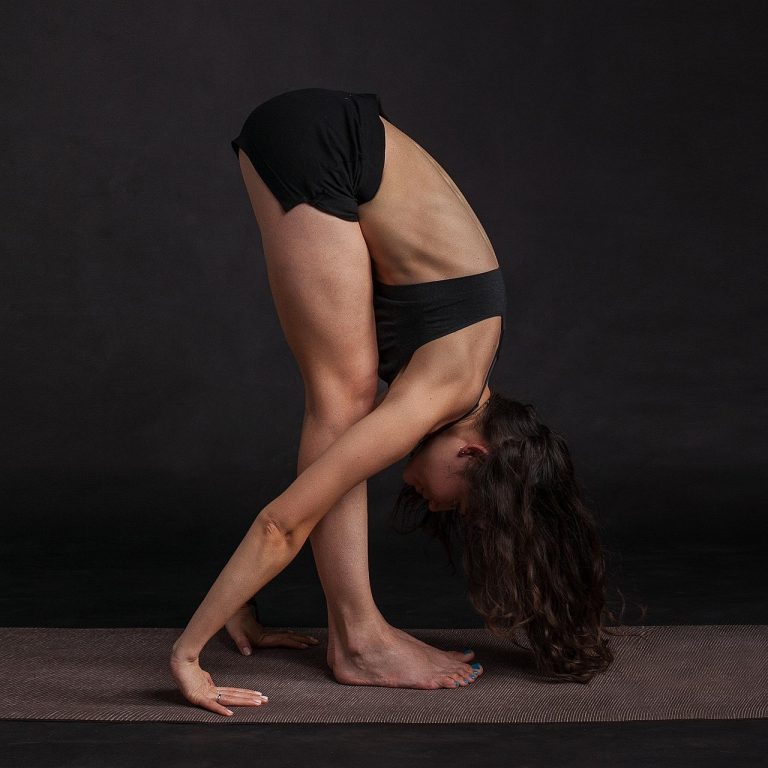
Imagine moving through your day with ease, your body feeling fluid and strong, free from those nagging aches and stiffness. This isn’t just wishful thinking; it’s the power of mobility work! Mobility drills are more than just stretching; they’re about improving your body’s ability to move freely and efficiently through its full range of motion, ultimately enhancing performance, preventing injuries, and boosting overall well-being. Let’s dive into the world of mobility and unlock your body’s potential.
What are Mobility Drills and Why are They Important?
Understanding Mobility vs. Flexibility
Mobility and flexibility are often used interchangeably, but they aren’t the same. Flexibility refers to the range of motion at a joint, while mobility encompasses flexibility and the strength and control to use that range of motion. Think of it this way: you might be flexible enough to touch your toes, but can you control your body as you bend down, and maintain balance and stability? That’s mobility.
The Benefits of Incorporating Mobility Drills
Incorporating mobility drills into your routine offers a wealth of benefits:
- Improved Range of Motion: Enhanced joint flexibility allows for greater movement capabilities in daily activities and sports.
- Reduced Risk of Injury: By improving joint stability and control, mobility drills help prevent injuries caused by improper movement patterns or limitations. A study published in the Journal of Strength and Conditioning Research found that improved mobility significantly reduced the risk of hamstring strains in athletes.
- Enhanced Athletic Performance: Greater mobility translates to more efficient movement, increased power output, and better overall athletic performance.
- Pain Reduction: Mobility drills can alleviate pain associated with stiffness, muscle imbalances, and poor posture.
- Better Posture: By addressing muscle imbalances and improving joint alignment, mobility drills contribute to better posture.
- Increased Blood Flow: Movement promotes circulation, delivering vital nutrients to tissues and promoting recovery.
Who Should Perform Mobility Drills?
The answer is simple: everyone! Whether you’re an elite athlete, a weekend warrior, or someone who spends most of their day sitting at a desk, mobility drills can benefit you.
- Athletes: Improve performance and prevent injuries.
- Desk Workers: Combat the effects of prolonged sitting, such as stiff hips and tight shoulders.
- Older Adults: Maintain joint health and improve functional independence.
- Individuals Recovering from Injuries: Restore range of motion and improve stability.
Key Areas to Target with Mobility Drills
Ankle Mobility
Limited ankle mobility can impact everything from squat depth to walking gait, contributing to knee and hip pain.
- Ankle Dorsiflexion Drill (Knee to Wall): Kneel with one foot in front, placing it a few inches from a wall. Keeping your heel on the ground, drive your knee forward to touch the wall. Adjust the distance from the wall to challenge your range of motion. Perform 10-15 repetitions per leg.
- Ankle Circles: Sit or stand, and slowly rotate your foot in a circular motion, both clockwise and counterclockwise. Focus on moving the ankle through its full range of motion. Perform 10-15 repetitions in each direction per leg.
- Calf Stretches (Gastrocnemius & Soleus): These stretches help improve ankle flexibility, which is a component of ankle mobility. Lean against a wall with one leg straight and the other slightly bent. Hold for 30 seconds. Then, bend both knees slightly to target the Soleus muscle. Hold for 30 seconds.
Hip Mobility
Tight hips are a common problem, leading to lower back pain and restricted movement patterns.
- Hip Circles: Stand with your feet shoulder-width apart and place your hands on your hips. Slowly rotate your hips in a circular motion, both clockwise and counterclockwise. Focus on moving through your full range of motion. Perform 10-15 repetitions in each direction.
- Hip Flexor Stretch (Kneeling): Kneel with one leg forward, forming a 90-degree angle at the knee. Gently push your hips forward, feeling a stretch in the front of your hip. Hold for 30 seconds and repeat on the other side. Consider adding a reach overhead to increase the stretch.
- Pigeon Pose (Modified): Start in a push-up position, then bring one knee towards the opposite wrist. Lower your hips towards the ground, keeping your back leg straight. You can modify this by staying upright or lowering your chest closer to the ground. Hold for 30-60 seconds and repeat on the other side.
Thoracic Spine (Mid-Back) Mobility
A stiff thoracic spine can restrict shoulder and neck movement, leading to pain and dysfunction.
- Thoracic Extension over Foam Roller: Lie on your back with a foam roller positioned horizontally across your mid-back. Gently extend your spine over the foam roller, supporting your head with your hands. Slowly roll up and down along your thoracic spine, focusing on areas that feel tight. Spend 1-2 minutes.
- Thread the Needle: Start on your hands and knees. Reach one arm underneath your body, rotating your torso and looking towards the opposite side. Then, reach that same arm up towards the ceiling, rotating your torso in the opposite direction. Repeat 10-15 times per side.
- Cat-Cow Stretch: Start on your hands and knees. Inhale and arch your back like a cat, tucking your chin to your chest. Exhale and drop your belly towards the floor, lifting your head and tailbone. Repeat 10-15 times.
Shoulder Mobility
Good shoulder mobility is essential for overhead activities, sports, and everyday tasks.
- Arm Circles: Stand with your feet shoulder-width apart and extend your arms to the sides. Make small circles forward, then gradually increase the size of the circles. Repeat in the reverse direction. Perform 10-15 repetitions in each direction.
- Shoulder Dislocates (with PVC Pipe or Resistance Band): Hold a PVC pipe or light resistance band in front of you with a wide grip. Slowly raise your arms overhead and rotate them behind you, keeping your arms straight. Gradually narrow your grip as your mobility improves. Perform 10-15 repetitions.
- Wall Slides: Stand with your back against a wall, feet shoulder-width apart. Place your arms against the wall, bent at a 90-degree angle, with your elbows and wrists touching the wall. Slowly slide your arms up the wall, keeping your elbows and wrists in contact with the wall as much as possible. Perform 10-15 repetitions.
How to Incorporate Mobility Drills into Your Routine
When to Perform Mobility Drills
Mobility drills can be performed at various times:
- Warm-up: Prepare your body for exercise by increasing blood flow and joint range of motion.
- Cool-down: Promote recovery and reduce muscle soreness.
- Active Recovery Days: Improve circulation and reduce stiffness on rest days.
- Throughout the Day: Combat the effects of prolonged sitting by incorporating short mobility breaks.
Creating a Mobility Routine
- Assess Your Needs: Identify areas where you feel stiff or restricted.
- Choose Relevant Drills: Select drills that target your specific needs and goals.
- Start Slowly: Begin with a few drills and gradually increase the intensity and duration.
- Listen to Your Body: Avoid pushing yourself too hard, especially in the beginning. Stop if you feel any pain.
- Be Consistent: Aim to perform mobility drills at least 2-3 times per week for optimal results.
Sample Mobility Routine (10-15 Minutes)
This routine can be performed as a warm-up or cool-down.
Ankle Dorsiflexion Drill (Knee to Wall): 10 repetitions per leg.
Hip Circles: 10 repetitions in each direction.
Thoracic Extension over Foam Roller: 1-2 minutes.
Arm Circles: 10 repetitions in each direction.
Hip Flexor Stretch (Kneeling): 30 seconds per side.
Common Mistakes to Avoid
Pushing Too Hard
It’s important to respect your body’s limits and avoid pushing yourself into painful ranges of motion. Progress gradually to prevent injuries.
Holding Your Breath
Remember to breathe deeply and evenly throughout each drill. Holding your breath can restrict blood flow and reduce the effectiveness of the exercise.
Ignoring Pain
Pain is a signal that something is wrong. Stop immediately if you experience any pain and consult with a healthcare professional.
Focusing Only on Flexibility
Remember that mobility is about both flexibility and control. Incorporate exercises that challenge your strength and stability within your range of motion.
Being Inconsistent
Consistency is key to improving mobility. Make mobility drills a regular part of your routine for optimal results.
Conclusion
Mobility drills are an essential component of a well-rounded fitness and wellness routine. By incorporating these exercises into your daily life, you can unlock your body’s full potential, improve performance, prevent injuries, and enhance your overall quality of life. So, start moving, start exploring, and start feeling the difference that mobility can make!