Embarking on a fitness journey can feel overwhelming, but it doesn’t have to be! Taking the first steps towards a healthier lifestyle is an investment in your well-being, and with the right guidance, you can build a sustainable and enjoyable exercise routine. This guide is designed to provide beginners with the knowledge and tools needed to confidently start their fitness journey.
Understanding Your Starting Point
Assessing Your Current Fitness Level
Before diving into any exercise program, it’s crucial to understand your current fitness level. This helps you set realistic goals and avoid injuries.
- Self-Assessment: Consider your daily activity level. Do you spend most of your day sitting, or are you relatively active?
- Basic Exercises: Try simple exercises like walking, stretching, and bodyweight movements. Observe how your body responds.
- Consult a Professional: If possible, consult a healthcare provider or a certified fitness professional for a thorough assessment. This is especially important if you have any pre-existing health conditions.
Setting Realistic Goals
Setting achievable goals is vital for staying motivated.
- Start Small: Instead of aiming for drastic changes, begin with small, manageable goals. For example, aim to exercise for 30 minutes three times a week.
- Specific and Measurable: Define your goals clearly. Instead of “exercise more,” aim to “walk for 30 minutes every Monday, Wednesday, and Friday.”
- Focus on the Process: Emphasize consistency and progress over immediate results. Celebrate small victories along the way. For example, completing your first week of workouts.
- Track Your Progress: Keep a journal or use a fitness app to monitor your workouts and progress. This helps you stay accountable and motivated.
Building a Beginner-Friendly Exercise Routine
Cardiovascular Exercise (Cardio)
Cardio improves heart health, burns calories, and boosts energy levels.
- Walking: A low-impact and accessible option. Start with brisk walking for 20-30 minutes.
- Cycling: Gentle on the joints and a great way to explore your surroundings. Begin with short rides and gradually increase the duration.
- Swimming: An excellent full-body workout that’s easy on the joints. Try swimming laps or water aerobics.
- Elliptical: Provides a low-impact cardio workout while engaging multiple muscle groups.
- Example: Try a 30-minute walking workout, alternating between brisk walking and a more relaxed pace. Gradually increase the duration or intensity each week.
Strength Training
Strength training builds muscle mass, increases metabolism, and improves bone density.
- Bodyweight Exercises: Utilize your own body weight for resistance. Examples include:
Squats: Strengthen legs and glutes.
Push-ups: Target chest, shoulders, and triceps. Start with modified push-ups against a wall or on your knees.
Lunges: Work legs and improve balance.
Plank: Strengthen core muscles.
- Resistance Bands: A versatile and affordable option for adding resistance to exercises.
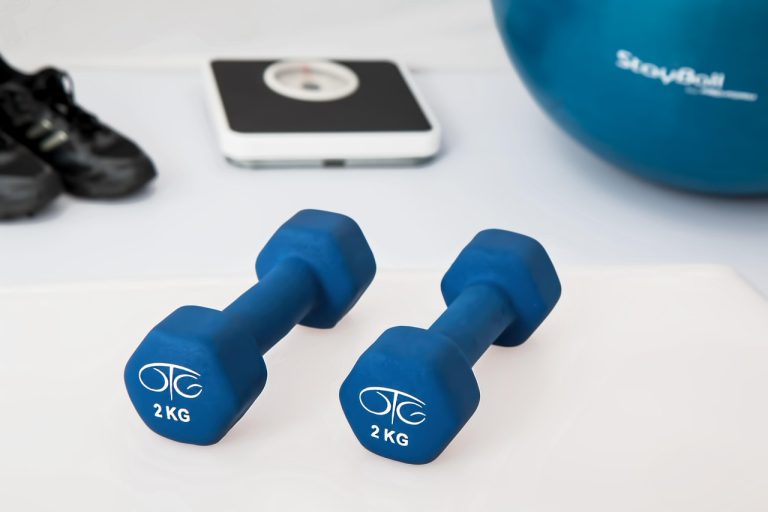
- Dumbbells: Start with light weights and gradually increase the weight as you get stronger.
- Example: Perform 3 sets of 10-12 repetitions of squats, push-ups (modified if needed), and lunges two to three times per week.
Flexibility and Balance
Flexibility and balance exercises improve range of motion, prevent injuries, and enhance overall mobility.
- Stretching: Perform static stretches (holding a stretch for 20-30 seconds) after each workout. Focus on major muscle groups.
- Yoga: A great way to improve flexibility, balance, and strength. Look for beginner-friendly classes.
- Pilates: Focuses on core strength and flexibility.
- Tai Chi: A gentle form of exercise that improves balance and coordination.
- Example: Hold each stretch for 30 seconds, focusing on breathing deeply and relaxing into the stretch. Do these stretches at least 3 times a week.
Essential Tips for Beginners
Proper Form and Technique
- Prioritize Form: Focus on maintaining proper form during each exercise to prevent injuries.
- Mirror Check: Use a mirror to monitor your form, especially when performing strength training exercises.
- Start Slowly: Begin with a lower intensity and gradually increase the intensity as you become more comfortable with the exercises.
- Seek Guidance: Consider working with a certified personal trainer who can teach you proper form and technique.
Listening to Your Body
- Pay Attention to Pain: Differentiate between muscle soreness and pain. Stop exercising if you experience sharp or persistent pain.
- Rest and Recovery: Allow your body adequate rest and recovery between workouts. Aim for at least one rest day per week.
- Hydration: Drink plenty of water before, during, and after exercise.
- Nutrition: Fuel your body with a balanced diet that includes protein, carbohydrates, and healthy fats.
Staying Motivated
- Find an Exercise Buddy: Working out with a friend can help you stay motivated and accountable.
- Make it Fun: Choose activities that you enjoy. This will make it easier to stick to your routine.
- Vary Your Routine: Avoid boredom by varying your workouts. Try new activities or exercises.
- Reward Yourself: Celebrate your achievements with non-food rewards, such as a new workout outfit or a relaxing massage.
- Focus on the Benefits: Remind yourself of the positive effects of exercise on your physical and mental health.
Common Mistakes to Avoid
Overtraining
- Listen to Your Body: Rest when you need to.
- Gradual Progression: Increase intensity and duration gradually.
- Incorporate Rest Days: Plan rest days into your routine.
Neglecting Warm-up and Cool-down
- Warm-up: Prepare your muscles for exercise with light cardio and dynamic stretching.
- Cool-down: Gradually decrease your heart rate and stretch your muscles after exercise.
Comparing Yourself to Others
- Focus on Your Own Journey: Everyone progresses at their own pace.
- Celebrate Your Achievements: Acknowledge and celebrate your personal milestones.
Conclusion
Starting an exercise routine is a journey, not a race. By understanding your starting point, setting realistic goals, building a balanced routine, and avoiding common mistakes, you can create a sustainable and enjoyable fitness plan that will lead to a healthier and happier you. Remember to listen to your body, stay motivated, and celebrate your progress along the way. Your fitness journey awaits!