Physical Address
304 North Cardinal St.
Dorchester Center, MA 02124
Physical Address
304 North Cardinal St.
Dorchester Center, MA 02124

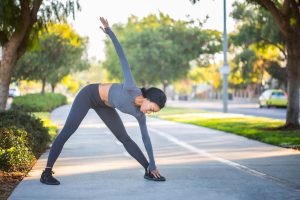
Embarking on a fitness journey can feel overwhelming, especially when you’re just starting. With countless workout routines, fitness influencers, and conflicting information online, it’s hard to know where to begin. This guide breaks down essential workout tips for beginners, offering a structured approach to help you build a solid foundation for a healthier, stronger you. We’ll cover everything from setting realistic goals and choosing the right workouts to understanding proper form and avoiding common mistakes.
Don’t try to overhaul your entire life overnight. Setting achievable goals is key to staying motivated and building momentum. Instead of aiming for a vague “get in shape” goal, focus on something specific and measurable.
It’s tempting to push yourself too hard in the beginning, but consistency is more important than intensity when you are starting out. Your body needs time to adapt to the new demands you’re placing on it.
Tracking your progress helps you stay motivated and allows you to see how far you’ve come.
Provides a visual representation of your achievements.
Helps identify areas where you might need to adjust your routine.
Boosts motivation by showcasing your commitment and progress.
Compound exercises work multiple muscle groups simultaneously, making them efficient and effective for beginners.
Build strength and muscle more efficiently than isolation exercises.
Improve functional fitness, making everyday activities easier.
Burn more calories due to the increased muscle activation.
Cardiovascular exercise is crucial for overall health and fitness. It improves heart health, boosts energy levels, and helps with weight management.
Flexibility and mobility exercises are often overlooked but are essential for preventing injuries and improving overall performance.
Increases range of motion, reducing the risk of strains and sprains.
Improves posture and balance.
Reduces muscle soreness and stiffness.
Before adding weights, master the proper form with bodyweight exercises. This ensures you’re engaging the correct muscles and prevents injuries.
If possible, consider working with a certified personal trainer, especially when starting your workout journey. A trainer can provide personalized guidance, correct your form, and help you design a safe and effective workout plan.
Provides expert knowledge and personalized coaching.
Helps prevent injuries by teaching proper form.
Keeps you motivated and accountable.
Pay attention to your body’s signals. If you experience pain, stop the exercise immediately. It’s better to err on the side of caution and avoid pushing through pain, which could lead to injuries.
One of the most common mistakes is trying to do too much too soon. This can lead to injuries, burnout, and discouragement.
Recovery is just as important as the workouts themselves. Your muscles need time to repair and rebuild after exercise.
Get adequate sleep (7-9 hours per night).
Eat a balanced diet with sufficient protein.
Stay hydrated by drinking plenty of water.
Incorporate rest days into your workout schedule.
It’s natural to compare yourself to others, but remember that everyone’s fitness journey is unique. Focus on your own progress and celebrate your achievements, no matter how small.
Starting a workout routine can be a challenging but rewarding experience. By setting realistic goals, choosing the right workouts, mastering proper form, and avoiding common mistakes, you can build a solid foundation for a healthier, fitter you. Remember to prioritize consistency, listen to your body, and celebrate your progress along the way. This is your journey, and every step you take is a step in the right direction.