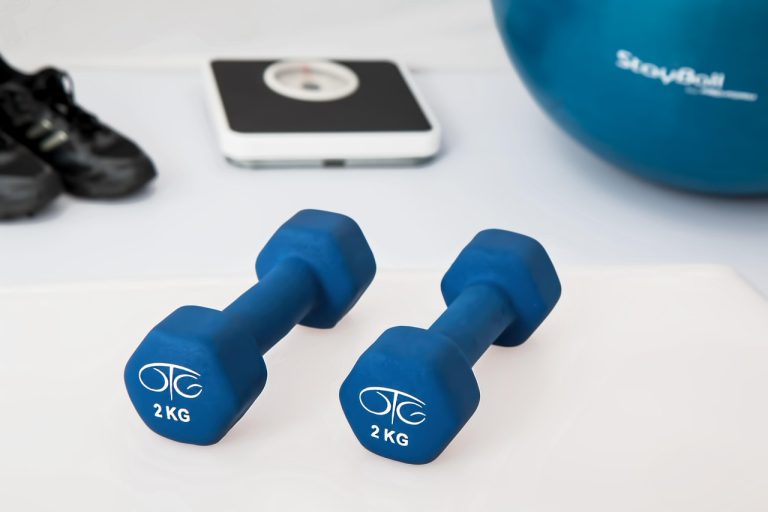
Warming up before exercise is often skipped, but it’s an absolutely crucial part of any fitness routine, regardless of your experience level. It’s the key to unlocking better performance, preventing injuries, and preparing your body both physically and mentally for the workout ahead. Neglecting a proper warm-up is like starting a race with cold tires – you’re setting yourself up for potential setbacks. Let’s delve into why warm-ups are so important and how to make them effective.
The Importance of a Fitness Warm-Up
Physiological Benefits
A proper warm-up primes your body for the physical demands of exercise. It’s not just about feeling ready; it’s about preparing your muscles, cardiovascular system, and nervous system.
- Increased Muscle Temperature: Warmer muscles are more pliable and contract more forcefully, reducing the risk of strains and tears. A study published in the “Journal of Strength and Conditioning Research” found that muscle temperature increases with a warm-up, improving performance.
- Improved Blood Flow: A warm-up dilates blood vessels, increasing blood flow to the muscles, delivering more oxygen and nutrients.
- Enhanced Joint Lubrication: Warming up stimulates the production of synovial fluid, which lubricates joints, allowing for smoother and more efficient movement.
- Elevated Heart Rate and Breathing Rate: Gradually increasing these rates prepares your cardiovascular system for the increased demands of exercise, preventing sudden stress.
Performance Enhancement
Beyond injury prevention, a good warm-up can significantly boost your workout performance.
- Improved Power Output: Studies have shown that warming up can increase power output during strength training and high-intensity exercises.
- Increased Range of Motion: Dynamic stretching, a common component of warm-ups, improves flexibility and range of motion, allowing for better form and execution of exercises.
- Enhanced Neuromuscular Coordination: Warming up activates the nervous system, improving communication between the brain and muscles, leading to better coordination and control.
Mental Preparation
A warm-up is more than just physical; it’s a mental preparation tool.
- Focus and Concentration: It allows you to mentally prepare for the upcoming workout, focusing your mind on the exercises and goals.
- Reduced Anxiety: By gradually increasing your heart rate and breathing, you can reduce pre-workout anxiety and improve your overall mindset.
Types of Warm-Up Exercises
General Warm-Up
A general warm-up aims to increase overall body temperature and blood flow. It typically involves low-intensity activities that engage large muscle groups.
- Cardio: Light cardio exercises like jogging, jumping jacks, cycling, or rowing for 5-10 minutes. The intensity should be low enough to allow you to easily hold a conversation.
- Foam Rolling: Addressing any areas of tightness with foam rolling can improve mobility and prepare muscles for movement. Focus on major muscle groups like quads, hamstrings, and back.
Dynamic Stretching
Dynamic stretches involve active movements that take your joints through their full range of motion. They are crucial for improving flexibility and preparing muscles for the specific exercises you’ll be performing.
- Arm Circles: Gradually increasing the size of the circles to warm up the shoulder muscles.
- Leg Swings: Swinging your legs forward, backward, and sideways to improve hip mobility.
- Torso Twists: Gently twisting your torso from side to side to warm up the spine and core.
- Walking Lunges with a Twist: Adds a rotational element to a lunge, targeting multiple muscle groups simultaneously.
Sport-Specific Warm-Up
This type of warm-up focuses on movements that mimic the specific actions of the workout or sport you’ll be performing. It helps to activate the relevant muscle groups and refine your technique.
- For Runners: Include drills like high knees, butt kicks, and skips to prepare the legs for running.
- For Weightlifters: Perform lighter sets of the exercises you’ll be doing, gradually increasing the weight to prepare your muscles and nervous system.
- For Swimmers: Include arm circles, torso rotations, and leg swings, as well as some light swimming to get the muscles firing.
Sample Warm-Up Routines
Full Body Warm-Up (10-15 minutes)
This is a comprehensive warm-up suitable for most types of workouts.
- Light Cardio (5 minutes): Jogging, cycling, or jumping jacks.
- Dynamic Stretching (5-10 minutes):
- Arm Circles (10 reps forward and backward)
- Leg Swings (10 reps forward and backward per leg)
- Torso Twists (10 reps each side)
- Walking Lunges with a Twist (10 reps per leg)
- High Knees (20 reps per leg)
- Butt Kicks (20 reps per leg)
Strength Training Warm-Up (10-15 minutes)
Focuses on activating the muscles used in strength training exercises.
- Light Cardio (5 minutes): Rowing or cycling.
- Dynamic Stretching (5-10 minutes):
- Arm Circles (10 reps forward and backward)
- Leg Swings (10 reps forward and backward per leg)
- Bodyweight Squats (10-15 reps)
- Push-Ups (as many reps as possible with good form)
- Band Pull-Aparts (15-20 reps)
- Specific Warm-Up Sets: Perform 1-2 light sets of the first exercise you’ll be doing, gradually increasing the weight.
Running Warm-Up (5-10 minutes)
Prepares the legs and cardiovascular system for running.
- Walking (2 minutes): Start with a brisk walk to warm up the muscles.
- Dynamic Stretching (3-5 minutes):
- Leg Swings (10 reps forward and backward per leg)
- High Knees (20 reps per leg)
- Butt Kicks (20 reps per leg)
- Ankle Rotations (10 reps each direction per ankle)
- Light Jogging (2-3 minutes): Gradually increase the pace to a light jog.
Common Mistakes to Avoid
Static Stretching Before Exercise
Static stretching (holding a stretch for an extended period) can actually decrease power output and increase the risk of injury if performed before exercise. Reserve static stretching for the cool-down.
Inadequate Warm-Up Duration
Rushing through your warm-up is as bad as skipping it altogether. Aim for at least 5-10 minutes of warm-up activities, depending on the intensity and duration of your workout.
Neglecting Specificity
A generic warm-up is better than nothing, but a warm-up that targets the specific muscle groups and movements involved in your workout will be more effective.
Ignoring Body Feedback
Pay attention to how your body feels during the warm-up. If you experience any pain or discomfort, stop and adjust your routine.
Conclusion
Incorporating a thorough warm-up into your fitness routine is an investment in your long-term health and performance. It prepares your body physically and mentally for the challenges ahead, reducing the risk of injury and maximizing your results. By understanding the different types of warm-up exercises and avoiding common mistakes, you can create a personalized routine that sets you up for success every time you exercise. So, take the time to warm up properly – your body will thank you for it!