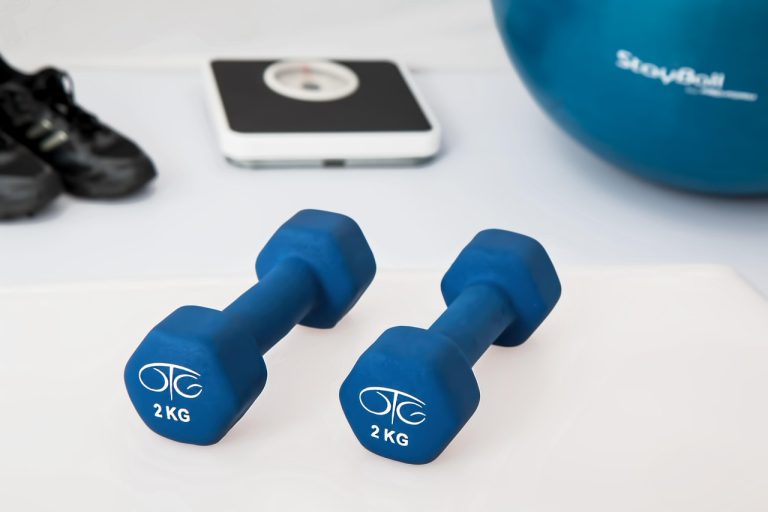
Incorporating daily movement into our lives isn’t just about hitting the gym; it’s about weaving activity into the fabric of our everyday routines. In a world dominated by desk jobs and sedentary habits, prioritizing movement is crucial for our physical and mental well-being. From simple stretches to active commutes, discover practical and enjoyable ways to boost your daily activity levels and reap the rewards of a more active lifestyle.
Embrace the Power of Micro-Movements
What are Micro-Movements?
Micro-movements are small, intentional movements you can incorporate throughout your day, often without even leaving your workspace. They break up long periods of sitting and help improve circulation, reduce stiffness, and boost energy levels.
Examples of Micro-Movements
Ankle rotations
Shoulder blade squeezes
Neck stretches
Leg extensions under the desk
Calf raises while waiting for the elevator
Marching in place during phone calls
* Mini-squats while brewing coffee
Benefits of Micro-Movements
- Reduce muscle stiffness and pain
- Improve blood circulation
- Increase energy levels and focus
- Help prevent sedentary-related health risks
Actionable Takeaway: Set a reminder to perform micro-movements every 30 minutes. Even a few minutes of activity can make a big difference.
Reimagine Your Commute
Active Commuting Options
Transform your commute from a passive experience into an opportunity for movement. Walking, cycling, or using public transport with intentional walking segments can significantly increase your daily activity.
Planning an Active Commute
- Walking: Walk or cycle to work, or at least part of the way. Even parking further away or getting off the bus one stop early can add to your step count.
- Cycling: Invest in a comfortable bike and gear up for cycling. Plan your route to ensure safety and consider the weather.
- Public Transport: Combine public transport with walking. Aim for longer walking distances between stations or during transfers.
Benefits of an Active Commute
- Increases daily physical activity levels
- Reduces reliance on cars and pollution
- Provides a mental break before and after work
- Improves mood and reduces stress levels
Actionable Takeaway: Explore your commuting options and identify ways to incorporate walking or cycling into your daily routine. Start small and gradually increase the distance.
Integrate Movement into Your Workday
Active Workstation Setup
Creating an active workstation is essential for those with desk jobs. Adjustable standing desks and ergonomic setups can promote movement and reduce the negative impacts of prolonged sitting.
Ideas for Active Workstations
- Standing Desk: Alternate between sitting and standing throughout the day. Start with short standing intervals and gradually increase the duration.
- Ergonomic Chair: Invest in a supportive ergonomic chair that promotes good posture and allows for movement.
- Desk Exercises: Incorporate stretches and exercises into your workday routine. Use resistance bands or small weights for added challenge.
Benefits of an Active Workstation
- Reduces back pain and muscle stiffness
- Improves posture and core strength
- Boosts energy levels and productivity
- Reduces the risk of chronic diseases
Actionable Takeaway: Evaluate your workspace and identify opportunities to incorporate an adjustable desk, ergonomic seating, or desk-friendly exercise tools.
Transform Chores into Exercise Opportunities
Housework as a Workout
Everyday household chores can be turned into effective exercise sessions. Engaging in tasks like gardening, cleaning, and DIY projects can contribute to your daily movement goals.
Examples of Chore-Based Workouts
- Gardening: Digging, planting, and weeding involve various muscle groups and provide a good cardio workout.
- Cleaning: Vacuuming, mopping, and scrubbing engage the core, arms, and legs.
- DIY Projects: Building furniture, painting walls, and other home improvement tasks offer a physical challenge.
Benefits of Active Chores
- Makes necessary tasks more enjoyable
- Increases overall physical activity
- Engages multiple muscle groups
- Contributes to household maintenance
Actionable Takeaway: Approach your chores with intention and turn them into a full-body workout. Focus on proper form and engage different muscle groups.
Make Leisure Time Active
Reimagining Recreation
Replace passive leisure activities with active alternatives. Instead of watching TV for hours, try hiking, dancing, sports, or active games.
Examples of Active Leisure Activities
- Hiking and Walking: Explore local trails, parks, or beaches. Choose routes that match your fitness level and enjoy the scenery.
- Dancing: Join a dance class or simply dance to your favorite music at home. Dancing is a fun and effective way to burn calories and improve coordination.
- Sports: Play team sports like basketball, soccer, or volleyball, or individual sports like tennis or swimming.
- Active Games: Play frisbee, badminton, or other active games with friends or family.
Benefits of Active Leisure
- Increases physical activity and cardiovascular health
- Reduces stress and improves mood
- Promotes social interaction and community engagement
- Makes leisure time more enjoyable and fulfilling
Actionable Takeaway: Explore different active leisure activities and find something you enjoy. Schedule time for these activities each week to ensure consistency.
Track Your Progress and Stay Motivated
Importance of Tracking
Monitoring your daily movement can help you stay motivated and achieve your fitness goals. Using fitness trackers and apps can provide valuable insights into your activity levels and progress.
Tools for Tracking Movement
- Fitness Trackers: Wearable devices like smartwatches and fitness bands track steps, distance, calories burned, and heart rate.
- Mobile Apps: Numerous apps can track your activity levels and provide personalized feedback and recommendations.
- Activity Logs: Manually track your daily activities in a journal or spreadsheet.
Staying Motivated
- Set Realistic Goals: Start with small, achievable goals and gradually increase the intensity and duration of your activities.
- Find an Accountability Partner: Exercise with a friend, family member, or personal trainer to stay motivated and accountable.
- Reward Yourself: Celebrate your progress with non-food rewards, such as new workout gear or a relaxing massage.
Actionable Takeaway: Choose a tracking method that works for you and use it to monitor your daily movement. Set realistic goals, find an accountability partner, and reward yourself for your achievements.
Conclusion
Incorporating daily movement into your life is not about drastic changes, but about integrating small, consistent actions into your routines. From micro-movements at your desk to active commutes and leisure activities, every little bit counts. By reimagining your daily habits and prioritizing movement, you can improve your physical and mental well-being, reduce the risks associated with a sedentary lifestyle, and enjoy a more active and fulfilling life. Start today by implementing one or two of these strategies and gradually build towards a more active lifestyle.