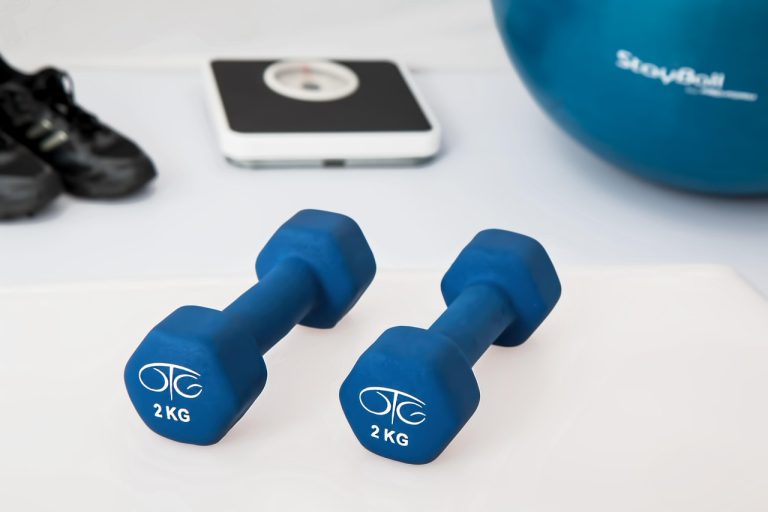
Ready to embark on a journey of self-improvement and discover the incredible power of strength training? Many beginners feel intimidated by the weights room, but starting a strength training program is one of the most effective ways to improve your overall health, build a stronger physique, and boost your confidence. This guide will provide you with everything you need to know to confidently begin your strength training adventure.
The Undeniable Benefits of Strength Training
Strength training, also known as resistance training, isn’t just about building bigger muscles. It offers a wide range of physical and mental health benefits that can significantly improve your quality of life.
Physical Health Enhancements
Strength training has a profound impact on your physical well-being.
- Increased Muscle Mass: This leads to a faster metabolism, making it easier to manage your weight and burn calories even when you’re at rest. Studies show that gaining just a few pounds of muscle can significantly impact your resting metabolic rate.
- Improved Bone Density: Strength training puts stress on your bones, which stimulates them to become stronger and denser, reducing the risk of osteoporosis and fractures, especially important as we age.
- Enhanced Joint Health: Strengthening the muscles around your joints provides support and stability, reducing the risk of injury and relieving pain associated with conditions like arthritis.
- Better Cardiovascular Health: While often associated with cardio exercises, strength training also contributes to heart health by lowering blood pressure, improving cholesterol levels, and increasing circulation. A study published in the Journal of the American Heart Association found that strength training is independently associated with a lower risk of cardiovascular disease.
Mental and Emotional Well-being
The benefits extend beyond the physical.
- Boosted Confidence and Self-Esteem: Achieving strength goals, however small, can significantly boost your self-esteem and body image.
- Reduced Stress and Anxiety: Exercise, including strength training, releases endorphins, which have mood-boosting and stress-reducing effects.
- Improved Sleep Quality: Regular strength training can promote deeper and more restful sleep, leading to improved energy levels and overall well-being.
- Enhanced Cognitive Function: Research suggests that strength training can improve cognitive function, including memory and attention span.
Setting Up Your Strength Training Program
Creating a well-structured program is key to success. It’s more than just randomly lifting weights.
Defining Your Goals
Before you even touch a weight, ask yourself: What do I want to achieve?
Increase overall strength
Improve muscle tone and definition
Lose weight and body fat
Enhance athletic performance
Improve bone density
- Make them SMART: Specific, Measurable, Achievable, Relevant, and Time-bound. For example, “Increase my bench press by 10 pounds in 8 weeks.”
Choosing the Right Exercises
Focus on compound exercises that work multiple muscle groups simultaneously.
- Key Compound Exercises for Beginners:
Squats: Works legs, glutes, and core.
Deadlifts: Works back, legs, glutes, and core (start with lighter weights and proper form).
Bench Press: Works chest, shoulders, and triceps.
Overhead Press: Works shoulders, triceps, and core.
Rows: Works back, biceps, and rear deltoids.
- Isolation Exercises (optional): These target specific muscles. Examples include bicep curls, tricep extensions, and calf raises. Incorporate these after mastering the compound movements.
Creating a Workout Schedule
Consistency is crucial for seeing results.
- Frequency: Aim for 2-3 strength training sessions per week, with at least one day of rest in between to allow for muscle recovery.
- Workout Structure (Example):
Warm-up: 5-10 minutes of light cardio and dynamic stretching (arm circles, leg swings).
Compound Exercises: 3 sets of 8-12 repetitions for each exercise.
Isolation Exercises (optional): 2-3 sets of 10-15 repetitions for each exercise.
Cool-down: 5-10 minutes of static stretching (holding each stretch for 30 seconds).
Monday: Full Body Workout
Wednesday: Rest or Active Recovery (yoga, walking)
* Friday: Full Body Workout
- Progression: Gradually increase the weight, reps, or sets as you get stronger. Aim to progressively overload your muscles each week.
Mastering Proper Form and Technique
Good form is paramount to prevent injuries and maximize results.
The Importance of Form
Prioritize form over weight. Lifting heavier than you can handle with good form increases your risk of injury and can hinder your progress.
- Focus on Controlled Movements: Avoid using momentum to lift the weight. Control the weight throughout the entire range of motion.
- Engage Your Core: A strong core provides stability and protects your spine. Keep your core engaged during every exercise.
- Full Range of Motion: Perform each exercise through its full range of motion to maximize muscle activation and flexibility.
Seeking Guidance
Don’t be afraid to ask for help!
- Consult a Certified Personal Trainer: A trainer can assess your current fitness level, teach you proper form, and create a personalized workout plan.
- Watch Instructional Videos: There are countless online resources demonstrating proper form for various exercises. Look for reputable sources and compare different perspectives.
- Start with Bodyweight Exercises: Master the fundamentals of movement before adding external weights. Examples include bodyweight squats, push-ups, and planks.
Listening to Your Body
Pay attention to pain signals.
- Differentiate between Muscle Soreness and Pain: Muscle soreness (DOMS – Delayed Onset Muscle Soreness) is normal after a tough workout, but sharp or persistent pain is a sign of injury.
- Don’t Push Through Pain: If you experience pain during an exercise, stop immediately and assess the situation. It may be necessary to modify the exercise or consult a healthcare professional.
- Rest and Recovery: Adequate rest is crucial for muscle repair and growth. Aim for 7-9 hours of sleep per night. Consider incorporating active recovery activities into your routine, such as light cardio or stretching.
Nutrition and Recovery for Optimal Results
Strength training is only one piece of the puzzle. Proper nutrition and recovery are equally important.
Fueling Your Body
Nutrition plays a critical role in muscle growth and recovery.
- Protein: Consume adequate protein to support muscle repair and growth. Aim for 0.8-1 gram of protein per pound of body weight per day. Good sources include lean meats, poultry, fish, eggs, dairy products, beans, and lentils.
- Carbohydrates: Carbohydrates provide energy for your workouts. Choose complex carbohydrates such as whole grains, fruits, and vegetables.
- Healthy Fats: Healthy fats are essential for hormone production and overall health. Include sources like avocados, nuts, seeds, and olive oil in your diet.
- Hydration: Drink plenty of water throughout the day to stay hydrated and support muscle function.
Prioritizing Recovery
Allow your body adequate time to rest and recover.
- Sleep: As mentioned earlier, aim for 7-9 hours of sleep per night.
- Active Recovery: Light activities like walking, yoga, or swimming can help improve blood flow and reduce muscle soreness.
- Stretching: Regular stretching can improve flexibility and range of motion, reducing the risk of injury.
- Foam Rolling: Foam rolling can help release muscle tension and improve recovery.
- Consider Supplements (Optional): Creatine monohydrate is a well-researched supplement that can enhance strength and muscle growth. Consult with a healthcare professional before taking any supplements.
Overcoming Common Beginner Challenges
It’s normal to face hurdles when starting something new.
Staying Motivated
Keep your goals in mind and find ways to stay motivated.
- Track Your Progress: Seeing your progress can be a powerful motivator. Keep a workout journal or use a fitness app to track your lifts, reps, and sets.
- Find a Workout Buddy: Having a workout partner can provide accountability and support.
- Set Realistic Goals: Don’t try to do too much too soon. Start with small, achievable goals and gradually increase the challenge as you get stronger.
- Reward Yourself: Celebrate your achievements! Treat yourself to something you enjoy when you reach a milestone.
- Variety is Key: Prevent boredom by changing up your routine every few weeks. Introduce new exercises, sets, or rep ranges to keep your body challenged.
Dealing with Plateaus
Plateaus are a natural part of the training process.
- Change Your Routine: Introduce new exercises, rep ranges, or sets to challenge your muscles in different ways.
- Deloading: Take a week of lighter weights or fewer sets to allow your body to fully recover.
- Nutrition Assessment: Evaluate your diet to ensure you are consuming enough calories and protein to support muscle growth.
- Sleep Optimization: Prioritize sleep to optimize recovery and hormone production.
Conclusion
Starting strength training is a transformative journey that can lead to significant improvements in your physical and mental well-being. By understanding the benefits, setting clear goals, mastering proper form, prioritizing nutrition and recovery, and overcoming common challenges, you can embark on a path to a stronger, healthier, and more confident you. Remember to be patient, consistent, and listen to your body. The results are worth the effort!