Stepping into the world of fitness can feel daunting, but it doesn’t require expensive gym memberships or complicated equipment. You can achieve a fantastic full-body workout right in the comfort of your own home. This guide will walk you through essential beginner home exercises, providing a solid foundation for building strength, improving flexibility, and boosting your overall well-being. Get ready to sweat, feel energized, and discover the joy of home fitness!
The Importance of Home Workouts for Beginners
Accessibility and Convenience
Home workouts remove common barriers to exercise. No more travel time, gym fees, or feeling intimidated by experienced gym-goers.
- Cost-Effective: Home workouts eliminate gym memberships, saving you money.
- Time-Saving: Exercise on your schedule, without travel.
- Comfort Zone: Work out in a familiar and private environment.
- Flexibility: Fit workouts into your day whenever it’s convenient.
According to a study by the Physical Activity Council, inactivity has increased 10% since 2017. Making exercise convenient, like with home workouts, is crucial.
Physical and Mental Benefits
Regular exercise, whether at home or in a gym, offers a plethora of physical and mental health benefits.
- Improved Cardiovascular Health: Strengthens your heart and improves circulation.
- Increased Muscle Strength and Endurance: Makes everyday tasks easier.
- Weight Management: Helps burn calories and build lean muscle mass.
- Stress Reduction: Releases endorphins, which have mood-boosting effects.
- Improved Sleep Quality: Regular exercise can promote better sleep patterns.
Actionable Takeaway: Schedule your home workouts like any other important appointment. Treat it as a non-negotiable part of your day.
Essential Beginner Exercises: Bodyweight Basics
Squats
Squats are a fundamental exercise that targets your lower body, particularly your glutes, quads, and hamstrings.
- How To: Stand with your feet shoulder-width apart, toes slightly pointed outwards. Lower your hips as if you’re sitting in a chair, keeping your back straight and your core engaged. Ensure your knees don’t extend past your toes. Return to the starting position.
- Reps and Sets: Aim for 3 sets of 10-12 repetitions.
- Modifications: If squats are difficult, start with chair squats, gradually decreasing the chair height as you get stronger.
- Benefits: Strengthens legs, improves balance, and enhances core stability.
Push-Ups
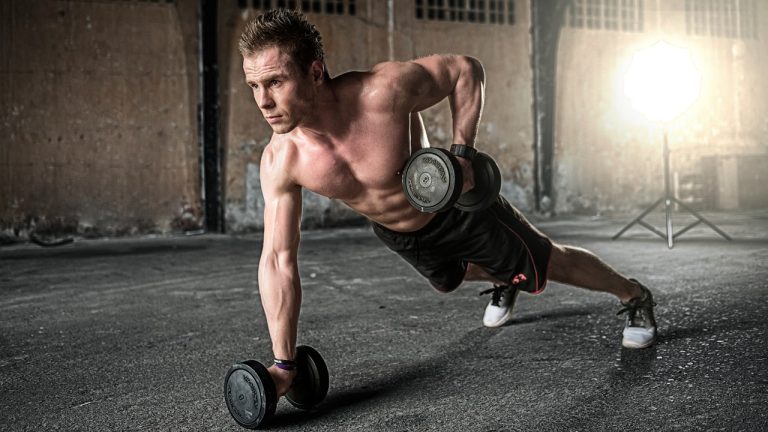
Push-ups are an excellent exercise for building upper body strength, targeting your chest, shoulders, and triceps.
- How To: Start in a plank position, hands shoulder-width apart, fingers pointing forward. Lower your body until your chest nearly touches the floor, keeping your body in a straight line. Push back up to the starting position.
- Reps and Sets: Aim for 3 sets of as many repetitions as possible (AMRAP).
- Modifications: If full push-ups are too challenging, start with knee push-ups or incline push-ups (hands on a raised surface).
- Benefits: Strengthens upper body, improves core stability, and can be modified for different skill levels.
Plank
The plank is an isometric exercise that engages your core muscles, improving stability and posture.
- How To: Start in a push-up position, but instead of pushing up, hold the position with your forearms on the ground, elbows directly beneath your shoulders. Keep your body in a straight line from head to heels, engaging your core muscles.
- Duration: Aim for 3 sets of 30-60 seconds each.
- Modifications: If a full plank is too difficult, start with a knee plank.
- Benefits: Strengthens core, improves posture, and enhances overall stability.
Lunges
Lunges are a versatile exercise that targets your quads, glutes, and hamstrings, while also improving balance and coordination.
- How To: Stand with your feet hip-width apart. Step forward with one leg and lower your body until both knees are bent at 90-degree angles. Your front knee should be directly above your ankle, and your back knee should be close to the ground but not touching. Push back up to the starting position and repeat on the other leg.
- Reps and Sets: Aim for 3 sets of 10-12 repetitions per leg.
- Modifications: If lunges are difficult, shorten the step length or use a chair for support.
- Benefits: Strengthens legs, improves balance, and enhances coordination.
Actionable Takeaway: Focus on proper form over speed or quantity. Watch videos and use a mirror to ensure you’re performing the exercises correctly.
Building Your Home Workout Routine
Warm-Up
Warming up is crucial to prepare your muscles for exercise and reduce the risk of injury.
- Dynamic Stretching: Include exercises like arm circles, leg swings, torso twists, and high knees.
- Light Cardio: Incorporate activities like jogging in place or jumping jacks for 5-10 minutes.
- Benefits: Increases blood flow, improves flexibility, and prepares muscles for activity.
Workout Structure
A well-structured workout routine will maximize your results.
- Full Body vs. Split Routines: As a beginner, focus on full-body workouts 2-3 times per week, allowing for rest days in between.
- Sample Routine:
– Warm-up (5-10 minutes)
– Squats (3 sets of 10-12 reps)
– Push-ups (3 sets of AMRAP)
– Plank (3 sets of 30-60 seconds)
– Lunges (3 sets of 10-12 reps per leg)
– Cool-down (5-10 minutes)
- Progression: As you get stronger, gradually increase the number of repetitions, sets, or the difficulty of the exercises.
Cool-Down and Stretching
Cooling down and stretching is essential for recovery and flexibility.
- Static Stretching: Hold each stretch for 20-30 seconds, focusing on major muscle groups. Examples include hamstring stretch, quad stretch, and calf stretch.
- Benefits: Reduces muscle soreness, improves flexibility, and promotes relaxation.
Actionable Takeaway: Create a workout schedule and stick to it. Consistency is key to seeing results.
Maximizing Your Home Workout Environment
Creating a Dedicated Space
Having a designated workout space can help you stay motivated and focused.
- Clear the clutter: Remove any obstacles that might get in your way.
- Good lighting: Ensure you have adequate lighting to see clearly.
- Motivational elements: Add motivational posters, plants, or music to create a positive atmosphere.
Utilizing Minimal Equipment
You don’t need fancy equipment to get a great workout at home.
- Resistance Bands: Versatile and affordable, resistance bands can add intensity to your exercises.
- Yoga Mat: Provides cushioning and support for floor exercises.
- Adjustable Dumbbells (Optional): As you get stronger, dumbbells can add extra resistance.
Staying Motivated and Engaged
Motivation can wane over time, so it’s important to find ways to stay engaged.
- Set Realistic Goals: Start with small, achievable goals and gradually increase the difficulty.
- Track Your Progress: Monitor your workouts and track your progress to stay motivated.
- Find a Workout Buddy (Virtual or In-Person): Having someone to exercise with can provide support and accountability.
- Vary Your Routine: Keep your workouts interesting by incorporating new exercises or challenges.
Actionable Takeaway: Find an exercise buddy or join an online fitness community for support and motivation. Sharing your progress and struggles can help you stay on track.
Nutrition and Hydration for Optimal Results
Importance of a Balanced Diet
Exercise is only one piece of the puzzle. A healthy diet is essential for fueling your workouts and supporting muscle recovery.
- Macronutrients: Focus on getting adequate protein, carbohydrates, and healthy fats.
- Micronutrients: Consume a variety of fruits and vegetables to ensure you’re getting essential vitamins and minerals.
- Sample Meal Plan:
– Breakfast: Oatmeal with berries and nuts.
– Lunch: Grilled chicken salad with mixed greens and vegetables.
– Dinner: Baked salmon with roasted vegetables and quinoa.
Hydration Strategies
Staying hydrated is crucial for optimal performance and recovery.
- Water Intake: Drink plenty of water throughout the day, especially before, during, and after your workouts.
- Electrolyte Balance: Consider replenishing electrolytes with a sports drink or electrolyte tablets, especially after intense workouts.
- Signs of Dehydration: Be aware of the signs of dehydration, such as thirst, headache, and fatigue.
Actionable Takeaway: Prioritize whole, unprocessed foods and stay hydrated throughout the day. Nutrition is as important as exercise for achieving your fitness goals.
Conclusion
Starting a home workout routine is a fantastic way to improve your physical and mental well-being. By incorporating these beginner exercises and following the tips outlined in this guide, you can build a solid foundation for a healthier, fitter you. Remember to listen to your body, progress gradually, and stay consistent. With dedication and perseverance, you’ll be amazed at what you can achieve in the comfort of your own home. Now, get moving and enjoy the journey to a healthier lifestyle!