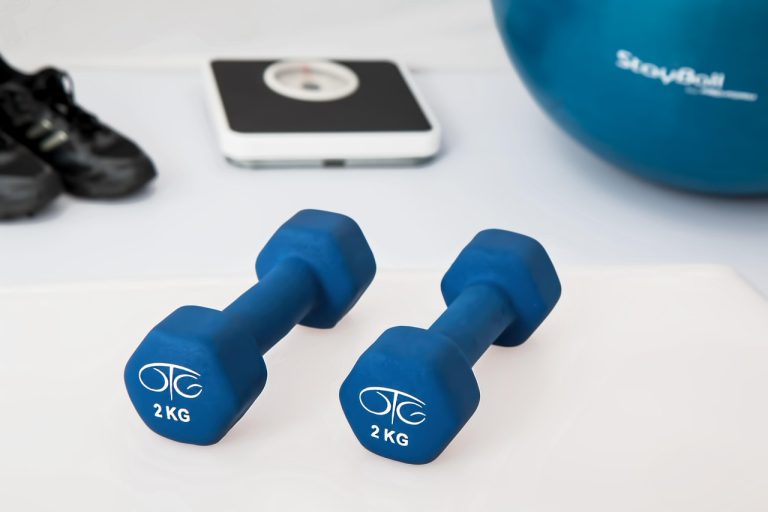
Embarking on a fitness journey can feel overwhelming. Where do you start? What should you focus on? A comprehensive fitness checklist can be your roadmap to success, ensuring you cover all the essential elements for a healthier, fitter you. This guide breaks down the key areas to prioritize, providing practical steps and insights to help you achieve your fitness goals.
Setting Your Fitness Goals
Defining Specific, Measurable, Achievable, Relevant, and Time-Bound (SMART) Goals
Before diving into any exercise routine, it’s crucial to define what you want to achieve. Vague goals like “get in shape” are less effective than SMART goals.
- Specific: Instead of “lose weight,” aim for “lose 10 pounds.”
- Measurable: Track your progress, whether it’s weight loss, increased strength, or improved endurance.
- Achievable: Set realistic targets. Don’t aim to run a marathon next month if you’re currently sedentary.
- Relevant: Ensure your goals align with your overall health and lifestyle.
- Time-Bound: Give yourself a deadline. “Lose 10 pounds in 2 months” is a good example.
- Example: A SMART goal could be: “I will lose 5 pounds in the next six weeks by walking for 30 minutes five days a week and reducing my sugar intake.”
Assessing Your Current Fitness Level
Understanding your starting point is vital for tailoring your fitness plan. Consider these assessments:
- Cardiovascular Fitness: Measure how long it takes you to run a mile or perform a step test.
- Strength: Determine the maximum weight you can lift for a single repetition (1RM) for key exercises like squats, bench presses, and deadlifts.
- Flexibility: Assess your range of motion through stretches like the sit-and-reach test or shoulder flexibility tests.
- Body Composition: Calculate your body fat percentage using calipers, bioelectrical impedance analysis (BIA), or DEXA scans.
Regularly reassessing these metrics will help you track progress and adjust your plan as needed.
Building a Balanced Workout Routine
Cardiovascular Exercise
Cardio is crucial for heart health, weight management, and overall endurance. The American Heart Association recommends at least 150 minutes of moderate-intensity or 75 minutes of vigorous-intensity aerobic activity per week.
- Examples of Moderate-Intensity Cardio: Brisk walking, cycling at a moderate pace, swimming.
- Examples of Vigorous-Intensity Cardio: Running, HIIT (High-Intensity Interval Training), intense cycling.
- Tip: Incorporate a variety of cardio activities to prevent boredom and work different muscle groups.
Strength Training
Strength training is essential for building muscle mass, increasing bone density, and improving metabolism. Aim for at least two strength training sessions per week, targeting all major muscle groups.
- Major Muscle Groups: Legs, back, chest, shoulders, arms, and core.
- Types of Strength Training: Bodyweight exercises, weightlifting (using dumbbells, barbells, or machines), resistance band workouts.
- Example: A full-body strength training routine could include squats, push-ups, rows, overhead presses, and planks. Perform 3 sets of 8-12 repetitions for each exercise.
Flexibility and Mobility
Flexibility and mobility are often overlooked but are crucial for preventing injuries and improving overall performance. Incorporate stretching and mobility exercises into your routine regularly.
- Types of Stretching: Static stretching (holding a stretch for 15-30 seconds), dynamic stretching (performing controlled movements through your full range of motion).
- Mobility Exercises: Foam rolling, joint circles, yoga, Pilates.
- Example: A daily stretching routine could include hamstring stretches, quad stretches, shoulder stretches, and neck stretches.
Nutrition and Hydration
Macronutrient Balance
Proper nutrition is the foundation of any successful fitness plan. Focus on balancing your macronutrient intake (proteins, carbohydrates, and fats).
- Protein: Essential for muscle repair and growth. Aim for 0.8-1 gram of protein per pound of body weight.
- Carbohydrates: Provide energy for workouts. Choose complex carbohydrates like whole grains, fruits, and vegetables.
- Fats: Important for hormone production and overall health. Opt for healthy fats like those found in avocados, nuts, and olive oil.
- Example: A balanced meal could include grilled chicken breast (protein), brown rice (carbohydrates), and avocado (fats).
Hydration Strategies
Staying hydrated is critical for performance, recovery, and overall health.
- Recommended Water Intake: Aim for at least 8 glasses of water per day, and increase your intake during and after workouts.
- Electrolyte Balance: Replenish electrolytes lost through sweat by consuming sports drinks or electrolyte tablets, especially during prolonged exercise.
- Tip: Carry a water bottle with you throughout the day and sip on it regularly.
Tracking Progress and Making Adjustments
Using Fitness Trackers and Apps
Leverage technology to monitor your activity levels, sleep patterns, and nutritional intake.
- Fitness Trackers: Monitor steps, heart rate, and sleep.
- Nutrition Apps: Track calorie and macronutrient intake.
- Workout Apps: Provide guided workouts and track your progress.
- Examples: Fitbit, Apple Watch, MyFitnessPal, Strava.
Analyzing Data and Adjusting Your Plan
Regularly review your data to identify areas for improvement.
- Weight Loss: If you’re not losing weight, assess your calorie intake and exercise intensity.
- Strength Gains: If you’re not getting stronger, increase the weight or resistance you’re using.
- Endurance Improvements: If your cardio isn’t improving, try incorporating interval training or longer-duration workouts.
- Tip: Don’t be afraid to adjust your plan based on your progress and how your body is responding.
Recovery and Rest
Prioritizing Sleep
Sleep is essential for muscle recovery, hormone regulation, and overall health. Aim for 7-9 hours of quality sleep per night.
- Tips for Better Sleep: Establish a regular sleep schedule, create a relaxing bedtime routine, and avoid caffeine and alcohol before bed.
Active Recovery Techniques
Incorporate active recovery techniques to reduce muscle soreness and promote recovery.
- Examples of Active Recovery: Light stretching, foam rolling, walking, yoga.
Rest Days
Schedule rest days into your routine to allow your body to recover and rebuild. Avoid intense exercise on rest days, but you can still engage in light activities like walking or stretching.
Conclusion
By following this comprehensive fitness checklist, you can create a structured and effective plan to achieve your fitness goals. Remember to set SMART goals, build a balanced workout routine, prioritize nutrition and hydration, track your progress, and prioritize recovery. Consistency and patience are key. Stay committed to your plan, listen to your body, and celebrate your achievements along the way.