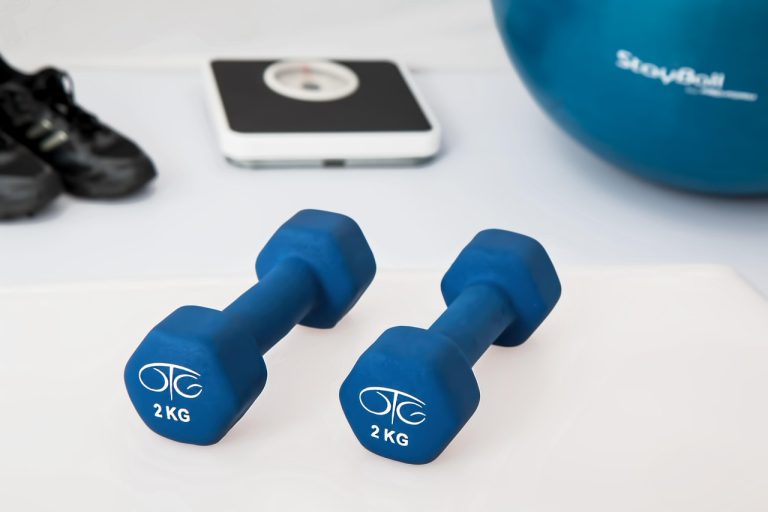
A proper warm-up is the unsung hero of any effective workout routine. Often overlooked or rushed, it’s a crucial step that primes your body for the physical demands ahead, reducing the risk of injury and enhancing performance. Think of it as preparing the engine of a race car – you wouldn’t rev it to full throttle from a cold start, would you? Let’s dive into why warming up is so vital and how to do it right.
The Undeniable Importance of a Fitness Warm-Up
A warm-up isn’t just about feeling good; it’s about physiological preparation. It’s a bridge between your resting state and the intensity of your workout. Neglecting this step can have detrimental effects on your body and overall fitness journey.
Injury Prevention
- Warming up increases muscle temperature, making them more pliable and less prone to strains and tears. Studies have shown a direct correlation between proper warm-ups and reduced injury rates in athletes.
- It improves joint lubrication, reducing friction and stiffness, which is particularly important for exercises involving a wide range of motion.
Enhanced Performance
- A good warm-up improves blood flow to the muscles, delivering more oxygen and nutrients, leading to better performance and endurance.
- It activates the nervous system, enhancing reaction time and coordination. Think of it as waking up your brain’s connection to your muscles. A study published in the Journal of Strength and Conditioning Research found that warm-ups improved power output and strength in various exercises.
- It mentally prepares you for the workout ahead, allowing you to focus and perform at your best.
Improved Flexibility and Range of Motion
- Dynamic stretching during a warm-up can gradually increase flexibility and range of motion, which is essential for executing exercises with proper form.
- This, in turn, can improve athletic performance and reduce the risk of injury.
Components of an Effective Warm-Up
A comprehensive warm-up typically involves three key components: light cardio, dynamic stretching, and activity-specific movements. Each plays a specific role in preparing your body for exercise.
Light Cardio
- The purpose of light cardio is to gently elevate your heart rate and increase blood flow to your muscles.
- Examples include:
Walking on a treadmill for 5-10 minutes.
Light jogging for 5-10 minutes.
Cycling on a stationary bike for 5-10 minutes.
Jumping jacks or rope skipping for 2-3 minutes.
- Aim for an intensity level where you can easily hold a conversation.
Dynamic Stretching
- Dynamic stretching involves active movements that gradually increase your range of motion. It’s different from static stretching, which involves holding a stretch for a prolonged period. Static stretching is generally more suitable after a workout.
- Examples of dynamic stretches include:
Arm circles (forward and backward)
Leg swings (forward and sideways)
Torso twists
High knees
Butt kicks
Walking lunges with a twist
- Perform each dynamic stretch for 10-15 repetitions, focusing on controlled movements.
Activity-Specific Movements
- These are exercises that mimic the movements you’ll be performing during your workout, but at a lower intensity.
- Examples:
Before a weightlifting session: Perform bodyweight squats, push-ups, and light dumbbell exercises.
Before a running session: Do walking lunges, leg swings, and high knees.
Before a swimming session: Practice arm circles, torso twists, and leg swings, focusing on the swimming strokes you’ll be doing.
- The goal is to prime your muscles for the specific demands of your workout.
Sample Warm-Up Routines
Here are a few sample warm-up routines tailored to different types of workouts:
Weightlifting Warm-Up (10-15 minutes)
Light Cardio: 5 minutes of walking on a treadmill.
Dynamic Stretching:
Arm circles (10 reps forward, 10 reps backward)
Torso twists (10 reps each side)
Leg swings (10 reps forward, 10 reps sideways each leg)
Bodyweight squats (10 reps)
Activity-Specific:
Light dumbbell exercises (e.g., bicep curls, shoulder presses) with low weight (10-12 reps each).
Running Warm-Up (10 minutes)
Light Cardio: 5 minutes of brisk walking or light jogging.
Dynamic Stretching:
Leg swings (10 reps forward, 10 reps sideways each leg)
High knees (20 reps)
Butt kicks (20 reps)
Walking lunges (10 reps each leg)
Activity-Specific: Strides (short bursts of increased speed) for 50-100 meters.
Swimming Warm-Up (10 minutes)
Light Cardio: Jumping jacks for 2 minutes, rope skipping for 2 minutes.
Dynamic Stretching:
Arm circles (10 reps forward, 10 reps backward)
Torso twists (10 reps each side)
Leg swings (10 reps each leg)
Activity-Specific:
Dryland swimming strokes (mimicking freestyle, backstroke, breaststroke) for 1-2 minutes each.
* In-water leg kicks (holding onto the side of the pool) for 2 minutes.
Common Mistakes to Avoid
Even with good intentions, some common mistakes can undermine the effectiveness of your warm-up.
Skipping the Warm-Up Altogether
- This is the biggest mistake of all. Even a short warm-up is better than none.
- Prioritize it just as much as you prioritize your actual workout.
Static Stretching Before Exercise
- Static stretching can decrease power output and performance when done before a workout. Save it for the cool-down.
Rushing Through the Warm-Up
- Take your time and focus on proper form and controlled movements.
- A rushed warm-up is almost as bad as no warm-up at all.
Doing the Same Warm-Up Every Time
- Vary your warm-up routine to target different muscle groups and movement patterns.
- Adjust the warm-up to match the specific exercises you’ll be doing that day.
Adapting the Warm-Up to Your Needs
Your warm-up should be tailored to your individual fitness level, goals, and any pre-existing injuries or conditions.
Listen to Your Body
- Pay attention to any pain or discomfort and modify the warm-up accordingly.
- If you have any injuries, consult with a physical therapist or certified trainer for personalized recommendations.
Consider Your Fitness Level
- Beginners may need a longer and more gradual warm-up than experienced athletes.
- Start with simpler movements and gradually increase the intensity and complexity as you progress.
Adjust for the Environment
- In cold weather, you may need a longer warm-up to increase muscle temperature.
- In hot weather, you may need to focus more on hydration and avoiding overheating.
Conclusion
A well-designed warm-up is an indispensable part of any fitness routine. By incorporating light cardio, dynamic stretching, and activity-specific movements, you can effectively prepare your body for exercise, reduce the risk of injury, and enhance your overall performance. Don’t treat it as an afterthought; make it a priority, and you’ll reap the rewards of a safer, more effective, and more enjoyable workout experience. So, next time you’re about to hit the gym or head out for a run, remember the power of a proper warm-up – your body will thank you for it.