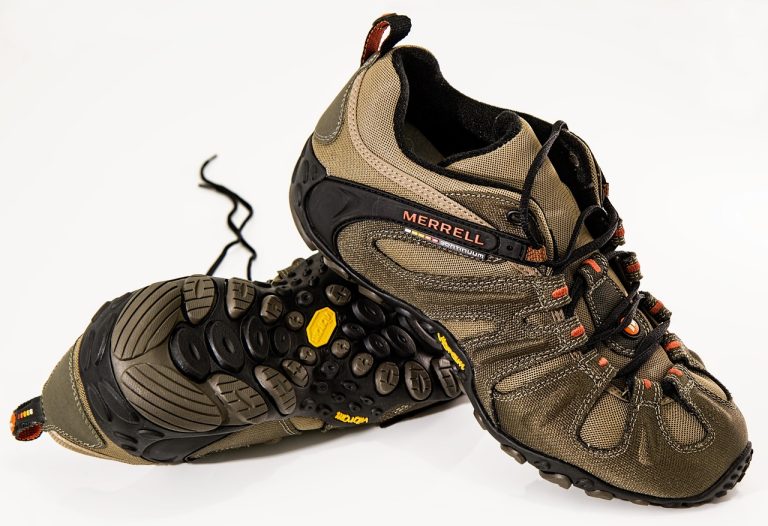
Juggling work, personal life, and fitness goals can feel like a never-ending tightrope walk. Finding time for a proper workout often falls by the wayside. But what if you could sneak in a revitalizing workout during your lunch break, boosting your energy, productivity, and overall well-being? Lunch break workouts are a game-changer, offering a practical and effective solution for staying active even on the busiest days. This guide will show you how to maximize your midday break for fitness.
Why Lunch Break Workouts? The Power of a Midday Boost
Increased Energy & Productivity
Feeling sluggish after a morning of meetings or staring at a screen? A short workout can combat that afternoon slump. Studies have shown that even brief periods of exercise can significantly improve cognitive function, alertness, and focus. A 2018 study published in the Journal of Occupational and Environmental Medicine found that employees who exercised during lunch breaks reported higher levels of job satisfaction and productivity.
- Increased Blood Flow: Exercise boosts circulation, delivering more oxygen to the brain.
- Endorphin Release: Physical activity triggers the release of endorphins, natural mood boosters that combat stress and fatigue.
- Improved Focus: Stepping away from your desk allows you to clear your head and return to work refreshed and more focused.
Time Efficiency and Convenience
The biggest obstacle to fitness is often time. Lunch break workouts eliminate that excuse by integrating exercise into your existing schedule. You don’t need to carve out extra hours before or after work.
- No Extra Commute: Workout at or near your workplace, saving travel time.
- Built-in Time Slot: Your lunch break is already a dedicated time for rest and recovery.
- Flexible Duration: Tailor your workout to fit the available time, even 15-20 minutes can make a difference.
Improved Physical and Mental Health
Regular physical activity during lunch breaks contributes to both physical and mental well-being. Even short bursts of exercise can have a positive impact on your health.
- Weight Management: Burning extra calories can aid in weight loss or maintenance.
- Reduced Stress: Exercise is a powerful stress reliever, helping you cope with workplace pressures.
- Improved Cardiovascular Health: Regular physical activity lowers your risk of heart disease and other health problems.
Planning Your Lunch Break Workout: Maximize Your Time
Assess Your Resources & Time
Before diving in, evaluate what’s available and how much time you realistically have. Consider factors like:
- Gym Access: Is there a gym or fitness center near your workplace?
- Outdoor Space: Are there parks, trails, or sidewalks suitable for walking, running, or bodyweight exercises?
- Shower Facilities: Determine if showering is an option post-workout.
- Lunch Break Duration: Accurately calculate the length of your lunch break and subtract travel and changing time.
- Equipment Availability: What equipment (if any) is accessible for your workout?
Types of Lunch Break Workouts
Choose workouts that align with your fitness goals, available resources, and time constraints.
- Quick Cardio: Running, brisk walking, cycling, or stair climbing. Example: 20 minutes of interval running (alternate between high-intensity bursts and recovery periods).
- Bodyweight Circuits: Utilize exercises like squats, push-ups, lunges, planks, and jumping jacks. Example: 3 rounds of 10 squats, 10 push-ups, 10 lunges per leg, and a 30-second plank.
- Strength Training: Focus on compound exercises like squats, deadlifts (if you have access to a gym), rows, and presses. Example: 3 sets of 8-12 reps for each exercise.
- Yoga or Stretching: Improve flexibility, reduce stress, and enhance recovery. Example: 20-30 minutes of yoga focusing on stretching key muscle groups.
- Walking Meetings: Combine work with exercise by holding meetings while walking.
Sample Weekly Schedule
Creating a structured schedule helps maintain consistency.
- Monday: Bodyweight circuit (25 minutes)
- Tuesday: Brisk walking (30 minutes)
- Wednesday: Yoga/Stretching (30 minutes)
- Thursday: Strength Training (gym) (30 minutes)
- Friday: Light cardio (running or cycling) (20 minutes)
Maximizing Efficiency: Tips for Success
Pre-Workout Preparation
Streamline your routine to save valuable time.
- Pack Your Gym Bag: Prepare your workout clothes, shoes, towel, and toiletries the night before.
- Pre-Plan Your Workout: Decide on your exercises and sets/reps beforehand to avoid wasting time deciding during your break.
- Hydrate: Drink plenty of water throughout the morning to stay hydrated.
- Light Snack: Eat a small, easily digestible snack about 30-60 minutes before your workout (e.g., a banana, yogurt, or handful of nuts).
Post-Workout Recovery
Proper recovery is crucial for preventing injuries and maximizing results.
- Cool Down: Spend a few minutes stretching after your workout.
- Refuel: Replenish your energy stores with a nutritious lunch that includes protein, carbohydrates, and healthy fats.
- Hydrate: Continue drinking water to rehydrate after your workout.
- Shower (if possible): A quick shower can help you feel refreshed and ready to tackle the rest of the day.
- Change of Clothes: Make sure to have a change of clothes in order to feel comfortable going back to work.
Overcoming Challenges
- Time Constraints: Shorten your workout or opt for high-intensity interval training (HIIT) to maximize results in a short amount of time.
- Lack of Equipment: Focus on bodyweight exercises or utilize readily available resources like stairs or benches.
- No Shower Facilities: Use antibacterial wipes to freshen up or schedule your workout on days when you can work from home.
- Motivation: Find a workout buddy for accountability or track your progress to stay motivated.
Safe and Effective Workouts: Injury Prevention
Warm-Up and Cool-Down
Always include a proper warm-up and cool-down to prepare your body for exercise and prevent injuries. A good warm-up could include light cardio such as jumping jacks or high knees, followed by dynamic stretching.
- Warm-up: 5-10 minutes of light cardio and dynamic stretching.
- Cool-down: 5-10 minutes of static stretching, holding each stretch for 20-30 seconds.
Proper Form and Technique
Prioritize correct form over speed or intensity. Improper form can lead to injuries. If you’re unsure about proper technique, consult a fitness professional or watch instructional videos.
- Focus on Form: Maintain proper posture and alignment throughout each exercise.
- Start Slow: Gradually increase the intensity and duration of your workouts.
- Listen to Your Body: Pay attention to any pain or discomfort and stop if necessary.
Gradual Progression
Avoid doing too much too soon. Gradually increase the intensity, duration, and frequency of your workouts over time. This allows your body to adapt and reduces the risk of injury.
- Increase Gradually: Slowly add more reps, sets, or resistance as you get stronger.
- Rest and Recovery: Allow your body adequate rest and recovery between workouts.
- Variety: Incorporate different types of exercises to prevent overuse injuries.
Conclusion
Lunch break workouts are a powerful tool for improving your health, productivity, and overall well-being. By planning strategically, prioritizing safety, and staying consistent, you can transform your midday break into a revitalizing fitness session. Embrace the challenge, find what works best for you, and reap the rewards of a healthier, more energized, and focused you. Don’t just sit there, make your lunch break work for you!