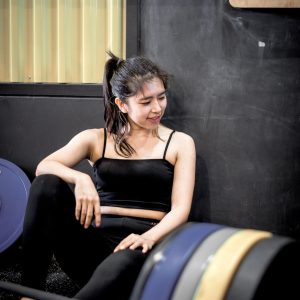
Home resistance training has exploded in popularity, offering a convenient and cost-effective way to build strength, improve fitness, and enhance overall well-being without stepping foot in a gym. Whether you’re a seasoned athlete or just starting your fitness journey, resistance training at home can be easily tailored to your individual needs and goals. This comprehensive guide will provide you with everything you need to know to kickstart your home resistance training program and achieve lasting results.
Benefits of Home Resistance Training
Convenience and Time Efficiency
- No Travel Time: Eliminates the commute to and from the gym, freeing up valuable time.
- Workout on Your Schedule: Train whenever it suits you, fitting workouts into your busy lifestyle.
- Privacy and Comfort: Exercise in the comfort of your own home without feeling self-conscious.
Cost-Effectiveness
- Reduced Gym Membership Fees: Save money on monthly gym memberships and associated costs.
- Minimal Equipment Investment: Start with bodyweight exercises or invest in affordable resistance bands or dumbbells.
- Long-Term Savings: Once you acquire your equipment, the cost is fixed, offering significant savings over time.
Adaptability and Personalization
- Customized Workouts: Tailor exercises to target specific muscle groups and fitness goals.
- Progressive Overload: Easily increase resistance using heavier weights or resistance bands as you get stronger.
- Suitable for All Fitness Levels: Modifications can be made to exercises to accommodate beginners and advanced individuals alike. For instance, a push-up can be done against a wall for beginners, and progressed to the floor, and then to a decline push-up as strength increases.
Resistance training also boasts impressive health benefits. Studies have shown that resistance training can significantly improve bone density, reducing the risk of osteoporosis, particularly in women. Furthermore, it can enhance metabolic rate, aiding in weight management and reducing the risk of type 2 diabetes.
Essential Equipment for Home Resistance Training
Bodyweight as Resistance
- Cost-Free and Accessible: No equipment required, making it perfect for beginners or those on a budget.
- Versatile Exercise Options: Includes squats, push-ups, lunges, planks, and more.
- Full-Body Workout Potential: Can target all major muscle groups effectively.
- Example Routine: 3 sets of 10-12 repetitions of squats, push-ups, lunges (each leg), and planks (30-60 seconds).
Resistance Bands
- Affordable and Portable: Relatively inexpensive and easy to store and transport.
- Variable Resistance Levels: Different colored bands offer varying levels of resistance, allowing for progressive overload.
- Versatile for Various Exercises: Can be used for exercises like bicep curls, rows, lateral walks, and more.
- Example Routine: 3 sets of 15-20 repetitions of banded bicep curls, resistance band rows, and lateral band walks.
Dumbbells
- Excellent for Building Strength: Offer a more challenging resistance than bodyweight or resistance bands.
- Wide Range of Exercises: Suitable for exercises like bicep curls, shoulder presses, rows, and deadlifts.
- Progressive Overload: Easily increase weight as you get stronger, promoting muscle growth.
- Consider Adjustable Dumbbells: Saves space and money compared to buying individual sets.
- Example Routine: 3 sets of 8-12 repetitions of dumbbell bicep curls, dumbbell shoulder presses, and dumbbell rows.
Optional Equipment
- Pull-Up Bar: Great for upper body strength, particularly back and biceps.
- Kettlebells: Versatile for full-body workouts, including swings, squats, and presses.
- Exercise Mat: Provides cushioning and support for floor exercises.
A recent survey found that 75% of people who started home resistance training with minimal equipment (bodyweight and resistance bands) reported seeing significant improvements in their strength and fitness levels within 3 months. This highlights the effectiveness of even basic home workouts.
Designing Your Home Resistance Training Program
Setting Realistic Goals
- Define Your Objectives: Are you looking to build muscle, lose weight, or improve overall fitness?
- Start Small and Gradual: Don’t try to do too much too soon; gradually increase intensity and volume.
- Track Your Progress: Monitor your workouts and measurements to stay motivated and adjust your program as needed.
Structuring Your Workouts
- Choose a Training Split: Full body, upper/lower body, or push/pull/legs.
- Select Exercises for Each Muscle Group: Ensure you’re targeting all major muscle groups (chest, back, shoulders, arms, legs, and core).
- Determine Sets and Repetitions: Aim for 2-3 sets of 8-12 repetitions for building muscle, or 15-20 repetitions for endurance.
- Allow Adequate Rest: Rest for 60-90 seconds between sets.
Sample Workout Schedule (Full Body)
- Monday: Full Body Workout (see example below)
- Tuesday: Rest or Active Recovery (light cardio, stretching)
- Wednesday: Full Body Workout
- Thursday: Rest or Active Recovery
- Friday: Full Body Workout
- Saturday & Sunday: Rest
Sample Full Body Workout (Using Dumbbells and Bodyweight)
- Squats: 3 sets of 10-12 repetitions
- Push-ups: 3 sets of as many repetitions as possible (AMRAP)
- Dumbbell Rows: 3 sets of 8-12 repetitions per arm
- Dumbbell Shoulder Press: 3 sets of 8-12 repetitions
- Walking Lunges: 3 sets of 10-12 repetitions per leg
- Plank: 3 sets of 30-60 second holds
Remember to always warm up before each workout with light cardio and dynamic stretching, and cool down afterwards with static stretching.
Staying Safe and Avoiding Injury
Proper Form and Technique
- Prioritize Form Over Weight: Focus on maintaining proper form to avoid injuries, even if it means using lighter weight.
- Watch Videos and Seek Guidance: Consult online resources or a personal trainer for proper exercise technique.
- Use a Mirror: Check your form while exercising to ensure you’re performing the movements correctly.
Warm-Up and Cool-Down
- Warm-Up: Prepare your muscles for exercise with light cardio (5-10 minutes) and dynamic stretching (arm circles, leg swings).
- Cool-Down: Reduce muscle soreness and promote recovery with static stretching (holding each stretch for 30 seconds).
Listening to Your Body
- Don’t Push Through Pain: If you experience pain, stop the exercise immediately and consult a healthcare professional.
- Rest and Recovery: Allow your muscles adequate time to recover between workouts to prevent overtraining.
- Stay Hydrated: Drink plenty of water before, during, and after your workouts.
According to the American Academy of Orthopaedic Surgeons, proper warm-up and cool-down routines can reduce the risk of exercise-related injuries by up to 50%. Therefore, these are crucial components of any home resistance training program.
Maintaining Motivation and Consistency
Setting Realistic and Achievable Goals
- SMART Goals: Ensure your goals are Specific, Measurable, Achievable, Relevant, and Time-bound.
- Celebrate Small Victories: Acknowledge and reward yourself for achieving milestones along the way.
Creating a Routine and Schedule
- Schedule Workouts in Your Calendar: Treat your workouts like important appointments.
- Establish a Consistent Workout Time: Training at the same time each day can help you stick to your routine.
Finding a Workout Buddy (Virtual or In-Person)
- Accountability and Support: Having a workout buddy can help you stay motivated and accountable.
- Shared Progress and Encouragement: Share your progress and encourage each other to reach your goals.
Varying Your Workouts
- Prevent Boredom: Introduce new exercises or workout formats to keep things interesting.
- Challenge Your Muscles: Varying your workouts can help prevent plateaus and promote continued progress.
- Try Different Training Styles: Incorporate different training styles like circuit training, supersets, or pyramid sets.
A study by the University of Pennsylvania found that individuals who set specific, measurable goals were significantly more likely to achieve their fitness objectives compared to those who did not. Furthermore, having a workout buddy increased adherence rates by up to 20%.
Conclusion
Home resistance training offers a fantastic opportunity to improve your strength, fitness, and overall health from the comfort and convenience of your own home. By understanding the benefits, selecting the right equipment, designing an effective program, staying safe, and maintaining motivation, you can achieve lasting results and enjoy a healthier, stronger you. Start small, be consistent, and celebrate your progress along the way. Your journey to a fitter you starts today!