Juggling work, family, and social commitments can leave you feeling like there’s simply no time for exercise. The thought of spending hours at the gym might seem impossible, but what if you could achieve significant fitness gains with just a fraction of the time? Time-efficient exercise is the answer for busy individuals seeking to improve their health and well-being without sacrificing precious hours. This blog post will explore practical strategies and workout options that will help you make the most of your limited time and achieve your fitness goals.
High-Intensity Interval Training (HIIT)
What is HIIT?
High-Intensity Interval Training (HIIT) involves short bursts of intense exercise alternated with periods of lower-intensity recovery or rest. This method maximizes calorie burn, improves cardiovascular health, and builds muscle in a minimal amount of time. Studies show HIIT can be more effective than traditional cardio for fat loss and improving VO2 max (a measure of cardiovascular fitness).
Benefits of HIIT
- Time efficiency: HIIT workouts can be completed in as little as 10-30 minutes.
- Increased calorie burn: You continue to burn calories even after the workout is finished due to the “afterburn effect” (Excess Post-exercise Oxygen Consumption or EPOC).
- Improved cardiovascular health: HIIT can significantly improve your heart health and endurance.
- Muscle building: HIIT, especially when combined with resistance exercises, can contribute to muscle growth.
Practical HIIT Examples
- Sprinting intervals: Sprint for 30 seconds, followed by 30 seconds of walking or light jogging. Repeat 10-15 times.
- Bodyweight HIIT: Perform exercises like burpees, jumping jacks, push-ups, and mountain climbers for 30-45 seconds each, followed by 15-30 seconds of rest. Complete 3-4 rounds.
- Cycling HIIT: Cycle at high resistance and speed for 30 seconds, followed by 30 seconds of easy cycling. Repeat 10-15 times.
- Actionable Takeaway: Incorporate 2-3 HIIT sessions into your weekly routine, focusing on exercises that challenge you and elevate your heart rate.
Strength Training with Compound Exercises
The Power of Compound Movements
Compound exercises are multi-joint movements that work several muscle groups simultaneously. This approach allows you to maximize muscle engagement and calorie expenditure in a shorter amount of time compared to isolation exercises (which target a single muscle).
Benefits of Compound Exercises
- Full-body workout in less time: Hit multiple muscle groups with each exercise.
- Increased strength and muscle mass: Stimulate greater muscle growth and strength gains.
- Improved functional fitness: Enhance your ability to perform everyday activities.
- Boosted metabolism: Larger muscle mass leads to a higher resting metabolic rate.
Examples of Effective Compound Exercises
- Squats: Targets quads, hamstrings, glutes, and core.
- Deadlifts: Works hamstrings, glutes, back, and core.
- Bench press: Engages chest, shoulders, and triceps.
- Overhead press: Targets shoulders, triceps, and core.
- Rows: Works back, biceps, and rear deltoids.
Sample Time-Efficient Strength Training Routine
- Warm-up: 5 minutes of light cardio and dynamic stretching.
- Squats: 3 sets of 8-12 repetitions.
- Bench Press: 3 sets of 8-12 repetitions.
- Deadlifts: 1 set of 5 repetitions, 1 set of 3 repetitions, 1 set of 1 repetition at a challenging weight. (Focus on proper form).
- Overhead Press: 3 sets of 8-12 repetitions.
- Rows: 3 sets of 8-12 repetitions.
- Cool-down: 5 minutes of static stretching.
- Actionable Takeaway: Focus on mastering the proper form for compound exercises to maximize effectiveness and minimize the risk of injury. Aim for 2-3 strength training sessions per week.
Active Recovery and Mobility
Why Active Recovery Matters
While intense workouts are crucial, active recovery is equally important for promoting muscle recovery, reducing soreness, and preventing injuries. Active recovery involves low-intensity activities that improve blood flow and reduce muscle stiffness.
Examples of Active Recovery
- Light cardio: Walking, jogging, cycling at a comfortable pace for 20-30 minutes.
- Yoga or stretching: Improve flexibility, reduce muscle tension, and enhance relaxation.
- Foam rolling: Target specific muscle groups to release knots and improve mobility.
Incorporating Mobility into Your Day
- Desk stretches: Perform simple stretches at your desk throughout the day to combat stiffness from prolonged sitting.
- Walking breaks: Take short walking breaks every hour to improve circulation and energy levels.
- Dynamic stretching: Incorporate dynamic stretches (e.g., arm circles, leg swings) into your warm-up routine.
- Actionable Takeaway: Schedule active recovery days into your weekly routine to allow your body to recover and rebuild. Prioritize mobility work to improve flexibility and prevent injuries.
Optimizing Your Workout Environment
Home Workouts vs. Gym Workouts
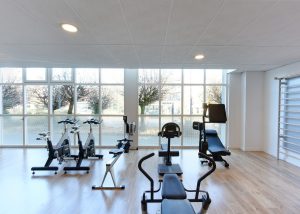
Both home workouts and gym workouts have their advantages. Home workouts are convenient and save time on commuting, while gym workouts offer a wider range of equipment and a motivating environment. Choose the option that best suits your preferences and schedule.
Creating a Home Gym
- Essential equipment: Resistance bands, dumbbells, kettlebell, yoga mat, jump rope.
- Utilize bodyweight exercises: Squats, push-ups, lunges, planks.
- Online resources: Access workout videos, fitness apps, and online programs for guidance and motivation.
Maximizing Gym Efficiency
- Plan your workout: Create a workout routine beforehand to avoid wasting time deciding what to do.
- Supersets and circuits: Perform exercises back-to-back with minimal rest to maximize calorie burn and muscle engagement.
- Minimize distractions: Avoid using your phone or engaging in lengthy conversations during your workout.
- Actionable Takeaway: Assess your resources and choose the workout environment that best supports your goals and lifestyle. Plan your workouts in advance to maximize efficiency.
Prioritizing Nutrition and Sleep
Fueling Your Body for Success
Proper nutrition is essential for supporting your workouts and achieving your fitness goals. Focus on consuming a balanced diet rich in fruits, vegetables, lean protein, and whole grains.
Key Nutritional Strategies
- Pre-workout nutrition: Consume a light meal or snack containing carbohydrates and protein 1-2 hours before your workout. Examples include a banana with peanut butter or a small bowl of oatmeal with berries.
- Post-workout nutrition: Replenish your glycogen stores and repair muscle tissue by consuming a protein-rich meal or snack within 30-60 minutes after your workout. Examples include a protein shake or grilled chicken with vegetables.
- Hydration: Drink plenty of water throughout the day to stay hydrated and support optimal performance.
The Importance of Sleep
Sleep is crucial for muscle recovery, hormone regulation, and overall health. Aim for 7-9 hours of quality sleep each night.
Tips for Better Sleep
- Establish a regular sleep schedule: Go to bed and wake up at the same time each day, even on weekends.
- Create a relaxing bedtime routine: Take a warm bath, read a book, or listen to calming music before bed.
- Optimize your sleep environment: Make sure your bedroom is dark, quiet, and cool.
- Avoid caffeine and alcohol before bed: These substances can interfere with sleep.
- Actionable Takeaway:* Prioritize nutrition and sleep to optimize your workouts and support your overall health.
Conclusion
Time-efficient exercise doesn’t mean sacrificing results. By incorporating HIIT, compound exercises, active recovery, and optimizing your workout environment, you can achieve significant fitness gains even with a busy schedule. Remember to prioritize proper nutrition and sleep to fuel your body and support your recovery. Start incorporating these strategies into your routine today and experience the transformative power of time-efficient fitness.