Unlocking your fitness potential doesn’t always require a gym membership or fancy equipment. Often, the most effective workouts utilize your own bodyweight, offering a versatile and accessible path to strength, endurance, and overall well-being. Bodyweight exercises are incredibly adaptable, making them suitable for beginners and advanced fitness enthusiasts alike. This comprehensive guide will delve into the world of bodyweight training, exploring its benefits, providing practical examples, and offering tips to maximize your results.
The Power of Bodyweight Training
Bodyweight exercises utilize your own body weight as resistance. This means you can perform them virtually anywhere, anytime, making them a highly convenient and cost-effective way to stay in shape. They’re also fantastic for building functional strength, improving balance, and enhancing coordination.
Benefits of Bodyweight Exercises
Bodyweight training offers a multitude of benefits, making it a worthwhile addition to any fitness routine:
- Convenience: No gym membership or equipment is required. You can exercise at home, in a park, or while traveling.
- Cost-effective: Bodyweight training is essentially free, eliminating the need for expensive gym equipment or personal training.
- Functional Strength: These exercises mimic natural movements, improving strength and coordination in everyday activities.
- Full-Body Workout: Many bodyweight exercises engage multiple muscle groups simultaneously, providing a comprehensive workout.
- Improved Balance and Stability: Exercises like squats and lunges challenge your balance, strengthening stabilizer muscles.
- Reduced Risk of Injury: By using your own body weight, you reduce the risk of using excessive weight that could lead to injury (when proper form is followed).
- Scalability: Bodyweight exercises can be easily modified to suit different fitness levels.
Who Can Benefit from Bodyweight Training?
The beauty of bodyweight training lies in its versatility. It’s suitable for:
- Beginners: Provides a great introduction to exercise, building a foundation of strength and fitness.
- Intermediate Exercisers: Can be incorporated into existing routines for variety and added challenge.
- Advanced Athletes: Can be used as part of a comprehensive training program, focusing on functional movements and conditioning.
- People with Limited Mobility: Modifications can be made to accommodate various physical limitations and abilities.
- Those Traveling Frequently: Offers a convenient way to maintain fitness on the go.
Essential Bodyweight Exercises
This section will cover some fundamental bodyweight exercises, detailing proper form and variations. Remember to consult with a healthcare professional before starting any new exercise program.
Squats
Squats are a cornerstone of bodyweight training, targeting the quads, glutes, and hamstrings.
- Proper Form: Stand with feet shoulder-width apart, toes slightly outward. Lower your hips as if sitting in a chair, keeping your back straight and chest up. Ensure your knees track over your toes and don’t extend past them.
- Variations: Air Squats, Jump Squats, Bulgarian Split Squats, Pistol Squats (advanced).
- Key Benefits: Strengthens lower body, improves balance, enhances core stability.
Push-ups
Push-ups are excellent for building upper body strength, engaging the chest, shoulders, and triceps.
- Proper Form: Start in a plank position with hands shoulder-width apart. Lower your body until your chest nearly touches the ground, keeping your body in a straight line. Push back up to the starting position.
- Variations: Incline Push-ups (easier), Decline Push-ups (harder), Diamond Push-ups (triceps focus), Wide-Grip Push-ups (chest focus).
- Key Benefits: Strengthens chest, shoulders, and triceps; improves core stability.
Lunges
Lunges are a fantastic exercise for building lower body strength and improving balance.
- Proper Form: Stand with feet hip-width apart. Step forward with one leg and lower your body until both knees are bent at a 90-degree angle. Ensure your front knee stays behind your toes. Push back up to the starting position and repeat on the other side.
- Variations: Forward Lunges, Reverse Lunges, Walking Lunges, Lateral Lunges.
- Key Benefits: Strengthens quads, glutes, and hamstrings; improves balance and coordination.
Planks
Planks are a static exercise that effectively strengthens the core muscles.
- Proper Form: Start in a push-up position, but rest on your forearms instead of your hands. Keep your body in a straight line from head to heels, engaging your core muscles. Hold the position for as long as you can maintain proper form.
- Variations: Forearm Plank, Side Plank, High Plank, Plank Jacks.
- Key Benefits: Strengthens core muscles, improves posture, enhances stability.
Creating a Bodyweight Workout Routine
Designing an effective bodyweight workout requires careful planning. Consider your fitness level, goals, and available time when creating your routine.
Sample Workout Structure
Here’s a sample full-body bodyweight workout routine:
Warm-up (5-10 minutes): Jumping jacks, arm circles, leg swings.
Workout (30-45 minutes):
Squats: 3 sets of 10-15 repetitions.
Push-ups: 3 sets of as many repetitions as possible (AMRAP).
Lunges (per leg): 3 sets of 10-12 repetitions.
Plank: 3 sets, holding for 30-60 seconds.
Superman: 3 sets of 10-15 repetitions.
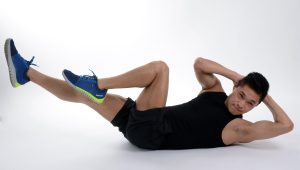
Crunches: 3 sets of 15-20 repetitions.
Cool-down (5-10 minutes): Stretching major muscle groups.
Progression and Modifications
As you get stronger, it’s essential to progressively overload your muscles to continue seeing results.
- Increase Repetitions: Gradually increase the number of repetitions you perform for each exercise.
- Add Sets: Increase the number of sets you perform for each exercise.
- Reduce Rest Time: Decrease the amount of rest you take between sets.
- Modify Exercises: Progress to more challenging variations of each exercise.
- Incorporate Isometric Holds: Add holds at the peak contraction of an exercise (e.g., holding a squat at the bottom position).
For beginners or those with limitations, modifications can make exercises more accessible:
- Incline Push-ups: Perform push-ups against a wall or elevated surface.
- Knee Push-ups: Perform push-ups on your knees.
- Assisted Squats: Use a chair or wall for support during squats.
Frequency and Recovery
Aim for 2-4 bodyweight workouts per week, allowing for adequate rest and recovery between sessions. Remember that muscles grow during rest, so prioritize sleep and proper nutrition.
Nutrition and Recovery for Bodyweight Training
While bodyweight exercises are highly effective, optimal results require a balanced diet and proper recovery strategies.
Fueling Your Body
A well-rounded diet is crucial for supporting muscle growth, energy levels, and overall health.
- Protein: Essential for muscle repair and growth. Include sources like lean meats, poultry, fish, eggs, and plant-based options like lentils and beans. Aim for 0.8-1 gram of protein per pound of body weight.
- Carbohydrates: Provide energy for workouts. Choose complex carbohydrates like whole grains, fruits, and vegetables.
- Healthy Fats: Support hormone production and overall health. Include sources like avocados, nuts, seeds, and olive oil.
- Hydration: Drink plenty of water throughout the day to stay hydrated and support bodily functions.
Prioritizing Recovery
Rest and recovery are just as important as exercise.
- Sleep: Aim for 7-9 hours of quality sleep per night to allow your body to repair and rebuild muscle tissue.
- Stretching: Incorporate regular stretching to improve flexibility, reduce muscle soreness, and prevent injuries.
- Active Recovery: Engage in light activities like walking or swimming on rest days to promote blood flow and reduce muscle stiffness.
- Epsom Salt Baths: Soaking in an Epsom salt bath can help soothe sore muscles and promote relaxation.
Common Mistakes to Avoid
To maximize the benefits of bodyweight training and minimize the risk of injury, avoid these common mistakes:
- Poor Form: Focus on maintaining proper form throughout each exercise. Compromising form can lead to injuries.
- Neglecting Warm-up and Cool-down: Skipping these essential steps can increase the risk of muscle strains and injuries.
- Overtraining: Avoid working the same muscle groups too frequently without allowing for adequate rest and recovery.
- Ignoring Pain: If you experience pain, stop the exercise and consult with a healthcare professional.
- Lack of Progression: Failing to progressively overload your muscles can lead to plateaus in your progress.
- Inconsistent Training: Consistency is key to achieving results. Aim to stick to a regular workout schedule.
- Improper Breathing: Breath-holding can increase blood pressure and limit exercise performance. Breathe deeply and consistently throughout each exercise.
Conclusion
Bodyweight training offers a powerful, accessible, and cost-effective way to improve your fitness. By understanding the principles of proper form, progressive overload, and recovery, you can unlock the full potential of these exercises and achieve your fitness goals. Whether you’re a beginner or an experienced athlete, incorporating bodyweight exercises into your routine can lead to significant improvements in strength, endurance, balance, and overall well-being. So, ditch the excuses, embrace the challenge, and start transforming your body with the power of bodyweight training!