Physical Address
304 North Cardinal St.
Dorchester Center, MA 02124
Physical Address
304 North Cardinal St.
Dorchester Center, MA 02124

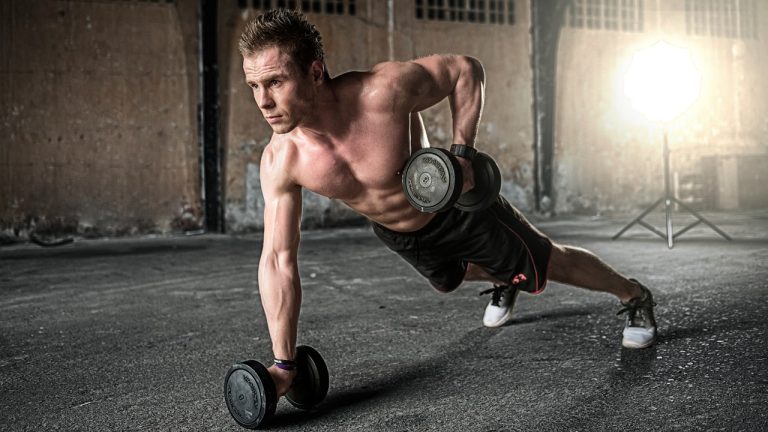
Working out from the comfort of your own home has never been more appealing. Skip the commute to the gym, avoid crowded workout spaces, and gain complete control over your fitness routine. But with so much information available online, how do you create efficient home workouts that deliver real results? This comprehensive guide will equip you with the knowledge and tools to design effective and time-saving home workouts, regardless of your fitness level.
Before you jump into exercising, consider your workout environment. You don’t need a dedicated home gym to get a great workout. Even a small corner of a room can suffice, but think about the following:
While bodyweight exercises are highly effective, adding some equipment can enhance your workouts and target different muscle groups. Here’s a list of affordable and versatile options:
Benefits: Improved strength, flexibility, and muscle endurance.
Example: Use a resistance band for bicep curls, squats, or lateral walks.
Benefits: Increased muscle mass, improved bone density, and enhanced functional fitness.
Example: Use dumbbells for rows, presses, and squats.
Benefits: Provides cushioning and support, prevents slipping, and improves comfort.
Benefits: Improved cardiovascular health, increased bone density, and enhanced coordination.
Before you start your home workout journey, establish clear and attainable fitness goals. What do you want to achieve? Weight loss, muscle gain, improved endurance, or overall fitness? Having a clear objective will help you stay motivated and track your progress. According to a study by the University of California, setting specific and measurable goals increases the likelihood of success by 50%.
HIIT workouts are a fantastic option when time is limited. They involve short bursts of intense exercise followed by brief recovery periods.
Compound exercises work multiple muscle groups simultaneously, making them incredibly efficient.
Squats: Works quads, glutes, and hamstrings.
Push-ups: Works chest, shoulders, and triceps.
Lunges: Works quads, glutes, and hamstrings.
Deadlifts (if you have weights): Works back, glutes, and hamstrings.
Circuit training involves performing a series of exercises one after another with minimal rest in between. Complete one round of all exercises, then rest before repeating the circuit.
Squats: 3 sets of 10-12 repetitions.
Push-ups (on knees if necessary): 3 sets of as many repetitions as possible (AMRAP).
Lunges: 3 sets of 10-12 repetitions per leg.
Plank: 3 sets, holding for 30-60 seconds.
Glute Bridges: 3 sets of 15-20 repetitions.
Dumbbell Squats: 3 sets of 10-12 repetitions.
Push-ups: 3 sets of AMRAP.
Dumbbell Lunges: 3 sets of 10-12 repetitions per leg.
Dumbbell Rows: 3 sets of 10-12 repetitions per arm.
Plank: 3 sets, holding for 60 seconds.
Bicycle Crunches: 3 sets of 15-20 repetitions.
Burpees: 30 seconds of work, 15 seconds of rest.
Mountain Climbers: 30 seconds of work, 15 seconds of rest.
Jumping Jacks: 30 seconds of work, 15 seconds of rest.
High Knees: 30 seconds of work, 15 seconds of rest.
Repeat this circuit 3-4 times.
Tracking your progress is crucial for staying motivated and seeing results.
Consistency is key to achieving your fitness goals.
Creating efficient home workouts is not about spending hours in a makeshift gym. It’s about maximizing your time and effort with effective exercises, proper planning, and consistent execution. By designing a workout space that suits your needs, choosing the right equipment, and implementing time-saving techniques like HIIT and compound exercises, you can achieve your fitness goals from the comfort of your own home. Remember to stay motivated by tracking your progress, staying consistent, and most importantly, listening to your body. Embrace the convenience and flexibility of home workouts and unlock your full fitness potential.