Trying to juggle work, family, social commitments, and personal time can feel like a never-ending circus act. It’s easy for fitness to fall by the wayside when you’re constantly racing against the clock. But staying active is crucial, not just for your physical health, but also for managing stress and boosting your overall well-being. The good news is that you don’t need hours in the gym to achieve your fitness goals, even with a packed schedule. This guide provides effective strategies for incorporating busy lifestyle training into your daily routine, helping you stay fit and healthy without sacrificing your precious time.
The Challenges of a Busy Lifestyle and Fitness
Time Constraints
One of the biggest hurdles for busy individuals is finding the time to dedicate to fitness. Long working hours, family responsibilities, and social commitments can leave you feeling like you barely have time to breathe, let alone exercise. According to a study by the Bureau of Labor Statistics, the average American spends over 8 hours a day working. This leaves limited time for other activities, including fitness.
- Challenge: Lack of dedicated time for exercise.
- Solution: Micro-workouts, incorporating activity into daily routines, and scheduling workouts like appointments.
Energy Depletion
A hectic schedule can lead to chronic fatigue, making it even harder to find the motivation to exercise. Constant stress and lack of sleep can deplete your energy reserves, leaving you feeling too tired to even consider hitting the gym. Studies show that chronic stress can significantly impact energy levels and motivation.
- Challenge: Low energy levels due to stress and lack of sleep.
- Solution: Prioritize sleep, manage stress through mindfulness techniques, and choose exercises that boost energy rather than deplete it.
Accessibility Issues
For many, gym memberships and structured fitness classes can be inconvenient or inaccessible due to location, cost, or scheduling conflicts. This can be particularly challenging for parents or those living in areas with limited fitness resources.
- Challenge: Inconvenient or inaccessible fitness options.
- Solution: Home workouts, outdoor activities, and utilizing online fitness resources.
Strategies for Integrating Fitness into Your Day
Micro-Workouts: The Power of Short Bursts
Micro-workouts involve short bursts of high-intensity exercise spread throughout the day. These short sessions, often lasting just 5-10 minutes, can be surprisingly effective for improving fitness and boosting energy levels.
- Example: Instead of sitting during a 30-minute break, do three 10-minute circuits of jumping jacks, push-ups, and squats.
- Benefit: Highly time-efficient and easily incorporated into a busy schedule.
- Tip: Set alarms or reminders to prompt you to do a micro-workout every few hours.
Active Commuting
Turn your commute into an opportunity for exercise. Walking, cycling, or even taking the stairs instead of the elevator can contribute to your daily fitness goals.
- Example: Cycle to work instead of driving or taking public transport (if feasible).
- Benefit: Combines transportation with exercise, saving time and improving cardiovascular health.
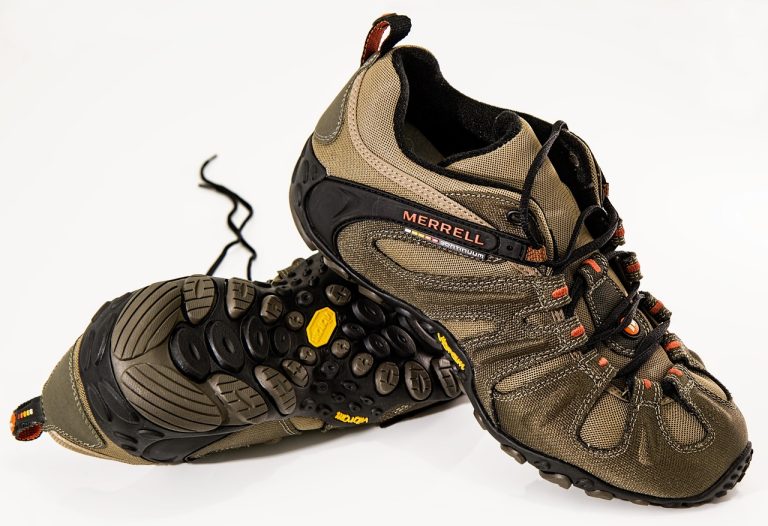
- Tip: Invest in comfortable walking shoes or a reliable bike for a more enjoyable experience.
Utilize Downtime Wisely
Even short periods of downtime, such as waiting for the kettle to boil or during commercial breaks, can be used for quick exercises.
- Example: Do calf raises while brushing your teeth or squats while waiting for your coffee to brew.
- Benefit: Maximizes the use of time and adds extra activity to your day.
- Tip: Keep a set of resistance bands handy for quick strength training exercises.
Effective Workout Structures for Busy Individuals
High-Intensity Interval Training (HIIT)
HIIT involves short bursts of intense exercise followed by brief recovery periods. This type of training is incredibly effective for burning calories and improving cardiovascular fitness in a short amount of time.
- Example: A 20-minute HIIT workout could consist of 30 seconds of sprinting followed by 30 seconds of walking, repeated for 10 rounds.
- Benefit: Time-efficient and effective for improving both aerobic and anaerobic fitness.
- Tip: There are many free HIIT workouts available online – find one that suits your fitness level and preferences.
Bodyweight Circuits
Bodyweight exercises require no equipment and can be done anywhere. Circuit training involves performing a series of exercises in quick succession, with minimal rest in between.
- Example: A 30-minute bodyweight circuit could include squats, push-ups, lunges, plank, and jumping jacks, performed for 45 seconds each with 15 seconds of rest.
- Benefit: Convenient, versatile, and effective for building strength and endurance.
- Tip: Focus on proper form to prevent injuries and maximize results.
Weekend Warrior Strategy
If you find it difficult to exercise during the week, dedicate your weekends to longer, more structured workouts.
- Example: Schedule a longer run, bike ride, or strength training session on Saturday and Sunday.
- Benefit: Allows for more in-depth training sessions when you have more free time.
- Tip: Plan your weekend workouts in advance to ensure you stick to your fitness goals.
Optimizing Nutrition for a Busy Lifestyle
Meal Prepping
Preparing meals in advance can help you stay on track with your nutrition goals, even when you’re short on time.
- Example: Spend a few hours on Sunday preparing healthy meals and snacks for the week.
- Benefit: Prevents unhealthy food choices due to convenience and saves time during the week.
- Tip: Invest in good quality containers to keep your prepped meals fresh.
Healthy Snacking
Keep healthy snacks on hand to avoid unhealthy cravings and maintain energy levels throughout the day.
- Example: Pack nuts, fruits, vegetables, or yogurt for a quick and nutritious snack.
- Benefit: Provides sustained energy and prevents overeating at mealtimes.
- Tip: Avoid sugary or processed snacks that can lead to energy crashes.
Hydration is Key
Staying hydrated is crucial for maintaining energy levels and supporting overall health.
- Example: Carry a water bottle with you and refill it throughout the day.
- Benefit: Improves energy levels, supports bodily functions, and aids in weight management.
- Tip: Set reminders on your phone to prompt you to drink water regularly.
Tracking Progress and Staying Motivated
Use a Fitness Tracker
Fitness trackers can help you monitor your activity levels, track your progress, and stay motivated.
- Example: Wear a fitness tracker to track your steps, heart rate, and sleep patterns.
- Benefit: Provides valuable data to help you understand your fitness habits and make adjustments as needed.
- Tip: Set realistic goals and track your progress over time to stay motivated.
Find an Accountability Partner
Having someone to exercise with or check in with can provide extra motivation and support.
- Example: Find a friend or family member to join you on your fitness journey.
- Benefit: Provides encouragement, support, and accountability.
- Tip: Schedule regular workout sessions with your accountability partner to stay on track.
Celebrate Small Victories
Acknowledge and celebrate your progress, no matter how small. This will help you stay motivated and build momentum.
- Example: Reward yourself with a relaxing bath or a healthy treat after completing a week of consistent workouts.
- Benefit: Reinforces positive behavior and keeps you motivated to continue pursuing your fitness goals.
- Tip: Focus on the positive aspects of your fitness journey and celebrate your achievements along the way.
Conclusion
Integrating fitness into a busy lifestyle requires creativity, planning, and commitment. By implementing the strategies outlined in this guide, you can overcome the challenges of time constraints, energy depletion, and accessibility issues. Embrace micro-workouts, active commuting, and efficient workout structures like HIIT and bodyweight circuits. Optimize your nutrition with meal prepping and healthy snacking, and track your progress to stay motivated. Remember, even small changes can make a big difference in your overall health and well-being. Make fitness a priority, and you’ll be well on your way to a healthier, more energized life, even with a packed schedule.