Physical Address
304 North Cardinal St.
Dorchester Center, MA 02124
Physical Address
304 North Cardinal St.
Dorchester Center, MA 02124

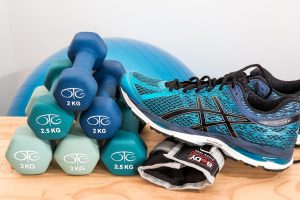
Home resistance training is no longer just a pandemic-era necessity; it’s a powerful, convenient, and cost-effective way to build strength, improve your fitness, and enhance your overall well-being. With the right knowledge and a little dedication, you can achieve impressive results without ever stepping foot in a gym. This guide will provide you with everything you need to get started with effective resistance training in the comfort of your own home.
Home resistance training offers a multitude of benefits, making it an attractive option for individuals of all fitness levels. It’s not just about convenience; it’s about empowerment. According to a study published in the Journal of Strength and Conditioning Research, resistance training, regardless of the location, significantly improves muscle strength and endurance. Here’s why it might be right for you:
Many people believe that home workouts are less effective than gym workouts, but this is simply not true. The key is to understand how to apply progressive overload, which means gradually increasing the challenge of your workouts over time. This can be done by:
Bodyweight exercises are the cornerstone of any good home resistance training program. They require no equipment and can be done anywhere. Mastering bodyweight exercises builds a strong foundation for more advanced movements.
Resistance bands are an excellent and affordable addition to your home gym. They provide variable resistance throughout the range of motion, challenging your muscles in a unique way.
Dumbbells and kettlebells offer a greater level of resistance than bodyweight exercises and resistance bands. They allow you to target specific muscle groups and build significant strength.
Before you start your home resistance training program, it’s important to set realistic goals. Do you want to build muscle, lose weight, improve your endurance, or simply get healthier? Having clear goals will help you stay motivated and track your progress.
– Specific: I will increase my squat weight by 10 pounds in 4 weeks.
– Measurable: I will be able to do 15 push-ups in a row within 6 weeks.
– Achievable: I will workout 3 times per week for 30 minutes each session.
– Relevant: This will help me get stronger and improve my overall fitness.
– Time-bound: I will achieve this goal by the end of the month.
Consistency is key when it comes to resistance training. Aim to workout 2-4 times per week, allowing for adequate rest and recovery between sessions.
– Monday: Full Body Workout (Bodyweight & Resistance Bands)
– Wednesday: Upper Body Workout (Dumbbells & Resistance Bands)
– Friday: Lower Body Workout (Dumbbells & Bodyweight)
Here are some sample workout routines you can use to get started:
– Squats: 3 sets of 10-12 reps
– Push-ups (on knees): 3 sets of as many reps as possible (AMRAP)
– Lunges: 3 sets of 10-12 reps per leg
– Plank: 3 sets, hold for 30-60 seconds
– Glute Bridges: 3 sets of 15-20 reps
– Dumbbell Rows: 3 sets of 10-12 reps per arm
– Dumbbell Chest Press: 3 sets of 10-12 reps
– Dumbbell Shoulder Press: 3 sets of 8-10 reps
– Bicep Curls: 3 sets of 10-12 reps
– Tricep Extensions: 3 sets of 10-12 reps
– Dumbbell Squats: 3 sets of 8-10 reps
– Dumbbell Lunges: 3 sets of 10-12 reps per leg
– Romanian Deadlifts: 3 sets of 10-12 reps
– Glute Bridges (with resistance band): 3 sets of 15-20 reps
– Calf Raises: 3 sets of 15-20 reps
Maintaining proper form is crucial to prevent injuries and maximize results. Watch videos, read articles, or consult with a qualified personal trainer to learn the correct technique for each exercise. Focus on controlled movements and engage your core throughout each exercise.
Keep your back straight and core engaged.
Control the movement, avoid using momentum.
Breathe properly throughout the exercise.
If you’re unsure about your form, record yourself and compare it to videos online.
Resistance training is only one piece of the puzzle. To maximize your results, you need to fuel your body with a healthy and balanced diet.
Rest and recovery are just as important as the workouts themselves. Give your muscles time to repair and rebuild by getting adequate sleep (7-9 hours per night) and taking rest days when needed.
Tracking your progress is essential to staying motivated. Keep a workout journal, use a fitness app, or take progress photos to monitor your results. Celebrate your achievements and don’t get discouraged by setbacks.
Home resistance training offers a powerful and accessible path to improved strength, fitness, and overall well-being. By understanding the principles of progressive overload, utilizing the right equipment (even just your body!), designing a personalized workout program, and prioritizing nutrition and recovery, you can achieve impressive results without ever setting foot in a gym. Embrace the convenience and flexibility of home workouts, and you’ll be well on your way to a healthier, stronger you.