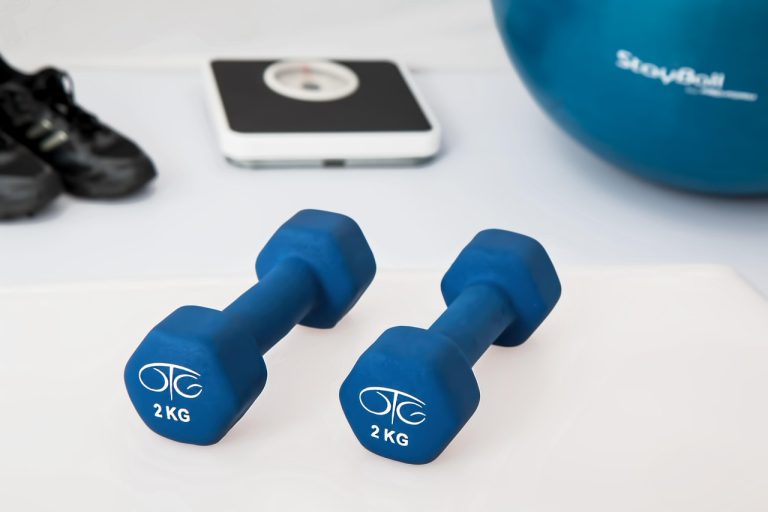
Embarking on a fitness journey can feel daunting, especially when you’re just starting out. The world of workouts, exercises, and fitness jargon can be overwhelming. This comprehensive guide is designed to simplify the process and provide you with a beginner-friendly weekly workout plan that’s both effective and sustainable. We’ll break down the key components of a successful beginner routine, offering practical advice and actionable steps to help you achieve your fitness goals.
Understanding the Basics of a Beginner Weekly Workout
Starting a fitness routine is more than just jumping into intense workouts. It requires understanding some fundamental principles.
Why Consistency is Key
- Build a Habit: Consistent exercise creates a habit, making it easier to stick to your routine in the long run.
- Gradual Adaptation: Your body needs time to adapt to the new physical demands. Consistency allows for this gradual adaptation, reducing the risk of injury.
- Improved Results: Consistent effort, even in small doses, yields better results than sporadic, intense workouts. Studies show that regular, moderate exercise can significantly improve cardiovascular health, mood, and overall well-being.
The Importance of Rest and Recovery
- Muscle Repair: Rest allows your muscles to repair and rebuild after workouts. This is crucial for muscle growth and strength gains.
- Prevent Overtraining: Overtraining can lead to fatigue, injuries, and a decline in performance. Adequate rest prevents this.
- Mental Wellbeing: Rest days are also essential for mental wellbeing, allowing you to recharge and stay motivated.
Setting Realistic Goals
- Start Small: Don’t try to do too much too soon. Begin with manageable goals, such as exercising three times a week for 30 minutes each session.
- Be Specific: Instead of saying “I want to get in shape,” set specific goals like “I want to be able to walk for 30 minutes without getting winded.”
- Track Your Progress: Keeping track of your progress helps you stay motivated and adjust your goals as needed. Use a fitness tracker, journal, or app to monitor your workouts.
A Sample Weekly Workout Plan for Beginners
This plan focuses on building a foundation of strength and cardiovascular fitness. Remember to consult with a healthcare professional before starting any new exercise program.
Day 1: Full Body Strength Training
- Warm-up (5 minutes): Light cardio, such as jogging in place or jumping jacks, followed by dynamic stretches like arm circles and leg swings.
- Workout (30 minutes):
Squats: 3 sets of 10-12 repetitions. Focus on proper form: feet shoulder-width apart, lower as if sitting in a chair, and keep your back straight.
Push-ups: 3 sets of as many repetitions as possible (AMRAP). Start on your knees if needed. Maintain a straight line from head to heels.
Dumbbell Rows: 3 sets of 10-12 repetitions per arm. Use a light weight (e.g., 5-10 lbs). Bend at the hips, keeping your back straight, and pull the dumbbell towards your chest.
Plank: 3 sets, holding for 30-60 seconds. Engage your core and maintain a straight line from head to heels.
* Walking Lunges: 3 sets of 10-12 repetitions per leg. Step forward and lower your back knee towards the ground, keeping your front knee behind your toes.
- Cool-down (5 minutes): Static stretches, holding each stretch for 30 seconds. Focus on major muscle groups worked during the workout.
Day 2: Cardio and Active Recovery
- Cardio (30 minutes): Choose an activity you enjoy, such as walking, jogging, cycling, or swimming. Aim for a moderate intensity, where you can hold a conversation but are slightly breathless.
- Active Recovery (15 minutes): Light activities like yoga or stretching to improve flexibility and reduce muscle soreness. Focus on gentle movements and deep breathing.
Day 3: Rest or Light Activity
- Rest: Allow your body to recover. This could involve a complete day of rest or light activities like a leisurely walk or gardening.
- Foam Rolling: Using a foam roller can help release muscle tension and improve flexibility. Focus on major muscle groups like legs and back.
Day 4: Full Body Strength Training (Repeat Day 1)
- Warm-up (5 minutes): As described on Day 1.
- Workout (30 minutes): Repeat the exercises from Day 1. Consider increasing the weight or repetitions if the exercises feel easier.
- Cool-down (5 minutes): As described on Day 1.
Day 5: Cardio and Active Recovery (Repeat Day 2)
- Cardio (30 minutes): Choose a different cardio activity than Day 2 to keep things interesting.
- Active Recovery (15 minutes): Focus on a different type of active recovery, such as a light swim or Pilates.
Day 6: Rest or Fun Activity
- Rest: A complete day of rest is crucial for recovery.
- Fun Activity: Engage in an enjoyable activity that doesn’t involve strenuous exercise, like hiking or dancing.
Day 7: Light Activity/Preparation for Next Week
- Light Activity: Gentle stretching or a light walk to keep your body moving.
- Meal Prep: Plan your meals for the upcoming week to ensure you’re eating healthy and fueling your body properly.
- Review and Adjust: Reflect on your progress from the past week and adjust your workout plan as needed.
Nutrition for Beginners: Fueling Your Workouts
Proper nutrition is just as important as exercise when starting a fitness routine.
Macronutrients: Protein, Carbohydrates, and Fats
- Protein: Essential for muscle repair and growth. Aim for 0.8-1 gram of protein per pound of body weight. Good sources include lean meats, poultry, fish, eggs, dairy, and beans.
- Carbohydrates: Provide energy for workouts. Choose complex carbohydrates like whole grains, fruits, and vegetables.
- Fats: Important for hormone production and overall health. Opt for healthy fats from sources like avocados, nuts, seeds, and olive oil.
Hydration
- Drink Plenty of Water: Stay hydrated throughout the day, especially before, during, and after workouts. Dehydration can lead to fatigue and decreased performance. Aim for at least 8 glasses of water per day.
Sample Meal Plan
- Breakfast: Oatmeal with berries and nuts, or a protein smoothie with spinach and fruit.
- Lunch: Grilled chicken salad with mixed greens and vegetables, or a whole-wheat wrap with turkey and avocado.
- Dinner: Baked salmon with roasted vegetables and quinoa, or lentil soup with whole-grain bread.
- Snacks: Greek yogurt with fruit, a handful of almonds, or a protein bar.
Common Mistakes Beginners Make (and How to Avoid Them)
Avoiding these common pitfalls will help you stay on track and prevent injuries.
Doing Too Much Too Soon
- Problem: Starting with high-intensity workouts without proper preparation can lead to injuries and burnout.
- Solution: Gradually increase the intensity and duration of your workouts over time. Listen to your body and take rest days when needed.
Neglecting Proper Form
- Problem: Using incorrect form can increase the risk of injury and reduce the effectiveness of exercises.
- Solution: Focus on mastering proper form before increasing weight or repetitions. Consider working with a trainer or watching instructional videos.
Ignoring Nutrition
- Problem: Poor nutrition can hinder progress and lead to fatigue and decreased performance.
- Solution: Prioritize a balanced diet with adequate protein, carbohydrates, and fats. Stay hydrated and avoid processed foods.
Not Tracking Progress
- Problem: Without tracking progress, it’s difficult to stay motivated and adjust your workout plan.
- Solution: Use a fitness tracker, journal, or app to monitor your workouts, nutrition, and overall progress.
Conclusion
Starting a weekly workout routine as a beginner doesn’t have to be overwhelming. By understanding the basics of consistency, rest, and nutrition, you can create a sustainable and effective plan that helps you achieve your fitness goals. Remember to start slow, focus on proper form, and listen to your body. With patience and dedication, you’ll be well on your way to a healthier and fitter you!