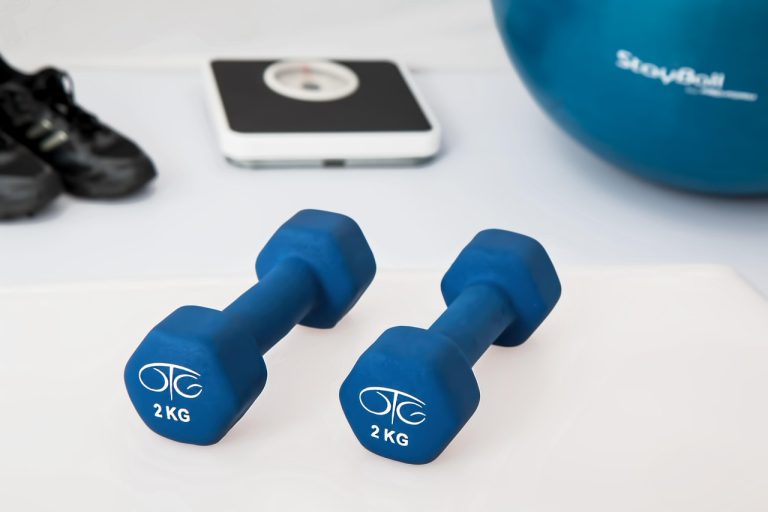
Starting a fitness journey can feel daunting, but it’s one of the most rewarding investments you can make in your long-term health and well-being. It’s a path of self-discovery, pushing boundaries, and ultimately, becoming a healthier, stronger version of yourself. Whether you’re looking to lose weight, gain muscle, or simply improve your overall health, this guide will provide you with the essential information and practical tips to kickstart your fitness journey on the right foot.
Setting Realistic Goals and Expectations
Embarking on any new endeavor requires a clear vision and achievable goals. Setting realistic targets is crucial for staying motivated and preventing discouragement early on.
Define Your “Why”
- Practical Example: Instead of saying “I want to lose weight,” ask yourself why you want to lose weight. Is it to feel more confident, improve your health markers, or participate in a specific activity?
- Actionable Takeaway: Write down your reasons for starting your fitness journey. Refer to this list when you need motivation.
SMART Goals: A Framework for Success
SMART goals are Specific, Measurable, Achievable, Relevant, and Time-bound.
- Specific: Clearly define what you want to achieve.
Example: “I want to be able to run a 5k.” (Better than “I want to be in shape.”)
- Measurable: Track your progress with quantifiable metrics.
Example: “I want to lose 1-2 pounds per week.”
- Achievable: Set goals that are challenging but attainable.
Example: Increase your bench press weight by 5 pounds each week, not 20.
- Relevant: Ensure your goals align with your overall values and desires.
Example: If your goal is to gain strength, focus on weightlifting, not just cardio.
- Time-bound: Set a deadline for achieving your goals.
Example: “I want to run a 5k in 12 weeks.”
- Actionable Takeaway: Use the SMART framework to create specific, measurable, achievable, relevant, and time-bound fitness goals.
Managing Expectations
- Progress is rarely linear. Expect plateaus and setbacks.
- Focus on the process, not just the outcome. Enjoy the journey.
- Don’t compare yourself to others. Everyone’s journey is unique.
- Statistics: According to a study in the Journal of Sport & Exercise Psychology, individuals who focus on intrinsic motivation (enjoyment and personal satisfaction) are more likely to adhere to exercise programs than those motivated by external factors (appearance).
- Actionable Takeaway: Celebrate small victories and learn from setbacks. Be patient and persistent.
Building a Balanced Fitness Routine
A well-rounded fitness routine incorporates different types of exercise to maximize benefits and prevent overuse injuries.
Cardio: Enhancing Cardiovascular Health
- Activities that elevate your heart rate and improve endurance.
- Examples: Running, swimming, cycling, dancing, brisk walking.
- Benefits:
Improved heart health
Increased lung capacity
Weight management
Reduced risk of chronic diseases (e.g., heart disease, type 2 diabetes)
- Practical Tip: Start with 20-30 minutes of moderate-intensity cardio 3-5 times per week. Gradually increase duration and intensity as you get fitter.
- Actionable Takeaway: Find a cardio activity you enjoy to make it a sustainable part of your routine.
Strength Training: Building Muscle and Bone Density
- Involves lifting weights or using resistance to build muscle strength and endurance.
- Examples: Weightlifting with dumbbells, barbells, resistance bands, bodyweight exercises (push-ups, squats, lunges).
- Benefits:
Increased muscle mass
Improved bone density
Enhanced metabolism
Better posture and balance
- Practical Tip: Aim for 2-3 strength training sessions per week, focusing on different muscle groups (legs, chest, back, shoulders, arms). Start with lighter weights and gradually increase the resistance as you get stronger.
- Actionable Takeaway: Learn proper form to prevent injuries and maximize results. Consider consulting with a certified personal trainer.
Flexibility and Mobility: Improving Range of Motion
- Activities that stretch and lengthen muscles to improve flexibility and range of motion.
- Examples: Yoga, Pilates, stretching exercises.
- Benefits:
Reduced risk of injuries
Improved posture
Increased range of motion
Reduced muscle soreness
- Practical Tip: Incorporate stretching exercises into your routine after workouts or as a standalone activity. Hold each stretch for 20-30 seconds.
- Actionable Takeaway: Prioritize flexibility and mobility to improve overall movement quality and prevent injuries.
Nutrition for Fitness: Fueling Your Body
Proper nutrition is just as important as exercise when it comes to achieving your fitness goals.
Macronutrients: The Building Blocks of Your Diet
- Protein: Essential for muscle repair and growth.
Examples: Lean meats, poultry, fish, eggs, dairy products, beans, lentils, tofu.
Recommended Intake: 0.8-1 gram of protein per pound of body weight, especially if you are doing strength training.
- Carbohydrates: Provide energy for workouts and daily activities.
Examples: Whole grains, fruits, vegetables, starchy vegetables (potatoes, sweet potatoes).
Focus on: Complex carbohydrates over simple sugars.
- Fats: Important for hormone production and overall health.
Examples: Avocados, nuts, seeds, olive oil, fatty fish.
Choose: Healthy unsaturated fats over saturated and trans fats.
- Actionable Takeaway: Balance your macronutrient intake to support your energy needs and fitness goals.
Hydration: The Elixir of Life
- Water is crucial for all bodily functions, including energy production, muscle function, and nutrient transport.
- Recommendation: Drink at least 8 glasses of water per day. Increase your intake during and after workouts.
- Actionable Takeaway: Carry a water bottle with you throughout the day to stay hydrated.
Meal Planning and Preparation
- Planning your meals in advance can help you stay on track with your nutrition goals and avoid unhealthy temptations.
- Practical Tip: Spend a few hours each week preparing meals and snacks for the week.
- Actionable Takeaway: Pack healthy snacks and meals for work or school to avoid unhealthy choices.
Overcoming Common Challenges
Starting a fitness journey can come with various obstacles. Recognizing and addressing these challenges is key to long-term success.
Time Constraints
- Challenge: Finding time for exercise in a busy schedule.
- Solution:
Schedule workouts like any other important appointment.
Break up workouts into shorter, more manageable sessions (e.g., 15-minute workouts).
Incorporate physical activity into your daily routine (e.g., walk or bike to work, take the stairs instead of the elevator).
- Actionable Takeaway: Prioritize your health and well-being by making time for fitness, even if it’s just a few minutes each day.
Lack of Motivation
- Challenge: Feeling unmotivated or lacking the desire to exercise.
- Solution:
Find an exercise buddy or join a fitness group.
Reward yourself for reaching milestones.
Try different types of exercise to find something you enjoy.
Focus on the positive benefits of exercise (e.g., increased energy, improved mood).
- Actionable Takeaway: Find ways to stay motivated and make exercise a fun and enjoyable part of your life.
Injuries
- Challenge: Experiencing injuries that hinder your progress.
- Solution:
Warm up properly before each workout.
Use proper form when exercising.
Listen to your body and rest when needed.
Consult with a healthcare professional if you experience pain or discomfort.
- Actionable Takeaway: Prioritize injury prevention by following proper techniques and listening to your body.
Conclusion
Embarking on a fitness journey is a commitment to a healthier, happier you. By setting realistic goals, building a balanced routine, fueling your body with proper nutrition, and overcoming common challenges, you can achieve your fitness aspirations. Remember to be patient, persistent, and celebrate your progress along the way. This is a marathon, not a sprint – enjoy the ride!