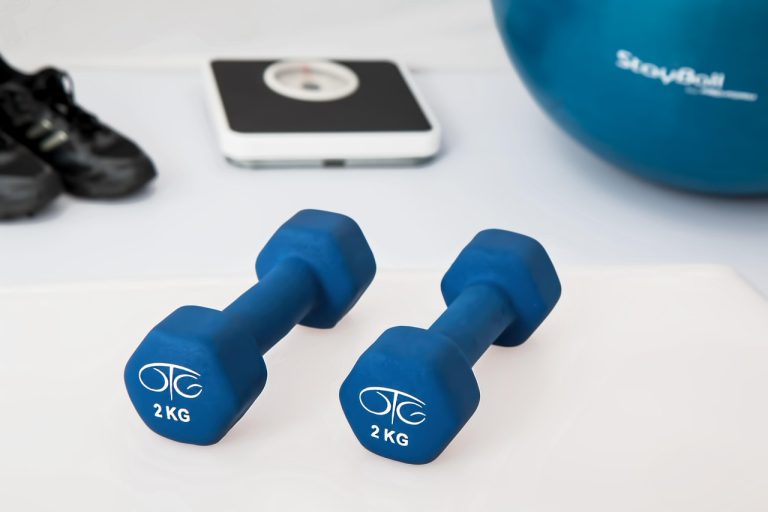
Embarking on a fitness journey can feel daunting, but breaking it down into achievable beginner fitness goals makes it significantly less intimidating and more rewarding. This guide is designed to help you set realistic and sustainable goals, understand the importance of consistency, and ultimately, build a healthier and happier you. Let’s dive in!
Understanding Your Starting Point
Assessing Your Current Fitness Level
Before setting ambitious goals, it’s crucial to understand your current fitness level. This self-assessment helps you tailor your goals to your capabilities and avoid potential injuries.
- Cardiovascular Fitness: Try a brisk 15-minute walk and note how easily you get winded. This gives you a baseline for improving your endurance.
- Strength: Attempt to do push-ups (even against a wall) and squats. How many can you comfortably do with good form?
- Flexibility: Can you touch your toes? Gently stretch your major muscle groups and note any areas of tightness or discomfort.
- Body Composition: Consider measuring your weight and waist circumference. Tracking these metrics can provide valuable insights into your progress.
Identifying Your “Why”
Understanding why you want to get fit is a powerful motivator. It goes beyond just wanting to lose weight; it’s about connecting with a deeper reason.
- Health Improvements: Are you aiming to lower your blood pressure, improve your sleep, or boost your energy levels?
- Mental Well-being: Do you want to reduce stress, improve your mood, or increase your confidence?
- Improved Physical Function: Do you want to be able to play with your kids, climb stairs without getting winded, or pursue a physically demanding hobby?
- Personal Achievement: Are you aiming to complete a 5k run, lift a certain weight, or simply feel more capable in your body?
Write down your “why” and keep it visible to remind yourself of your motivation during challenging times.
Setting SMART Beginner Fitness Goals
Defining SMART Goals
The SMART framework is essential for setting achievable and sustainable goals. It stands for:
- Specific: Clearly define what you want to achieve. “Get fitter” is too vague. Instead, aim to “walk for 30 minutes, 3 times a week.”
- Measurable: How will you track your progress? Use metrics like distance, time, weight lifted, or number of repetitions.
- Achievable: Set realistic goals that are challenging but not impossible. Don’t aim to run a marathon if you’ve never run before.
- Relevant: Your goals should align with your “why” and your overall values.
- Time-bound: Set a deadline for achieving your goals. “Walk for 30 minutes, 3 times a week for the next month.”
Examples of SMART Beginner Fitness Goals
- Cardio: Walk briskly for 30 minutes, 3 times a week for 4 weeks. Gradually increase the duration or intensity as you get fitter.
- Strength Training: Perform bodyweight exercises (squats, push-ups against a wall, lunges) 2 times a week for 4 weeks, focusing on proper form. Aim for 2 sets of 10-12 repetitions for each exercise.
- Flexibility: Stretch for 10 minutes every day, focusing on major muscle groups. Hold each stretch for 30 seconds.
- Nutrition: Replace one sugary drink a day with water for 2 weeks.
Building a Sustainable Workout Routine
Starting Slowly and Gradually Increasing Intensity
Overdoing it in the beginning is a common mistake that can lead to burnout and injuries. Start slowly and gradually increase the intensity, duration, or frequency of your workouts.
- Week 1: Focus on consistency and mastering the basics. Aim for shorter, less intense workouts that you can comfortably complete.
- Week 2: Gradually increase the duration or intensity of your workouts by 10-20%. For example, add 5 minutes to your walks or increase the number of repetitions in your strength training exercises.
- Week 3: Continue to progress gradually, paying attention to your body’s signals. If you’re feeling overly fatigued or experiencing pain, scale back the intensity.
- Week 4: Assess your progress and adjust your goals accordingly. Consider adding new exercises or increasing the challenge further.
Finding Activities You Enjoy
Exercise shouldn’t feel like a chore. Experiment with different activities until you find something you genuinely enjoy.
- Walking/Hiking: An accessible and low-impact option that can be easily incorporated into your daily routine.
- Cycling: A great way to explore your surroundings and improve your cardiovascular fitness.
- Swimming: A full-body workout that’s gentle on your joints.
- Dancing: A fun and energetic way to get your heart rate up.
- Yoga/Pilates: Excellent for improving flexibility, strength, and balance.
- Group Fitness Classes: Provide structure, motivation, and a sense of community.
Scheduling Your Workouts
Treat your workouts like important appointments and schedule them into your calendar. Consistency is key.
- Choose a time of day that works best for you. Are you a morning person or an evening person?
- Set reminders on your phone or calendar.
- Prepare your workout clothes and equipment in advance.
- Find a workout buddy to hold you accountable.
Prioritizing Nutrition and Hydration
Fueling Your Body
Nutrition plays a crucial role in supporting your fitness goals. Focus on eating a balanced diet that provides your body with the nutrients it needs to perform optimally.
- Protein: Essential for muscle repair and growth. Include lean sources of protein like chicken, fish, beans, and tofu in your diet.
- Carbohydrates: Provide energy for your workouts. Choose complex carbohydrates like whole grains, fruits, and vegetables over refined carbohydrates.
- Healthy Fats: Important for hormone production and overall health. Include sources of healthy fats like avocados, nuts, and olive oil in your diet.
- Fruits and Vegetables: Rich in vitamins, minerals, and antioxidants. Aim for at least five servings a day.
Staying Hydrated
Dehydration can negatively impact your performance and recovery. Drink plenty of water throughout the day, especially before, during, and after your workouts.
- Aim to drink at least 8 glasses of water a day.
- Carry a water bottle with you and sip on it throughout the day.
- Drink more water when you’re exercising or in hot weather.
- Listen to your body’s cues and drink when you’re thirsty.
Making Gradual Changes
Avoid making drastic changes to your diet overnight. Instead, focus on making small, sustainable changes that you can stick with over the long term.
- Start by replacing one unhealthy food or drink a day with a healthier option.
- Focus on adding more fruits and vegetables to your diet.
- Cook more meals at home so you have more control over what you’re eating.
- Read food labels carefully and make informed choices.
Tracking Your Progress and Staying Motivated
Monitoring Your Progress
Tracking your progress is essential for staying motivated and making adjustments to your plan as needed.
- Keep a workout journal. Record your workouts, including the exercises you did, the number of repetitions and sets, and how you felt.
- Take progress photos. Visual progress can be a powerful motivator.
- Measure your weight and body measurements. Track your progress over time.
- Use a fitness tracker or app. Many apps can track your activity levels, sleep patterns, and nutritional intake.
Rewarding Your Successes
Celebrate your milestones and reward yourself for your achievements. This will help you stay motivated and committed to your fitness goals.
- Set small, achievable goals and reward yourself when you reach them.
- Treat yourself to a massage, a new workout outfit, or a healthy meal.
- Share your successes with friends and family.
- Acknowledge and appreciate your hard work.
Dealing with Setbacks
Setbacks are inevitable. Don’t get discouraged if you miss a workout or slip up on your diet. Just get back on track as soon as possible.
- Identify the cause of the setback. What triggered it?
- Learn from your mistakes. How can you prevent it from happening again?
- Forgive yourself and move on.
- Focus on your long-term goals and remember why you started.
Conclusion
Setting beginner fitness goals is a journey, not a destination. By understanding your starting point, setting SMART goals, building a sustainable routine, prioritizing nutrition, and tracking your progress, you can achieve your fitness aspirations and create a healthier, happier you. Remember to be patient with yourself, celebrate your successes, and never give up on your goals. Your fitness journey is unique, and every step you take is a step in the right direction!