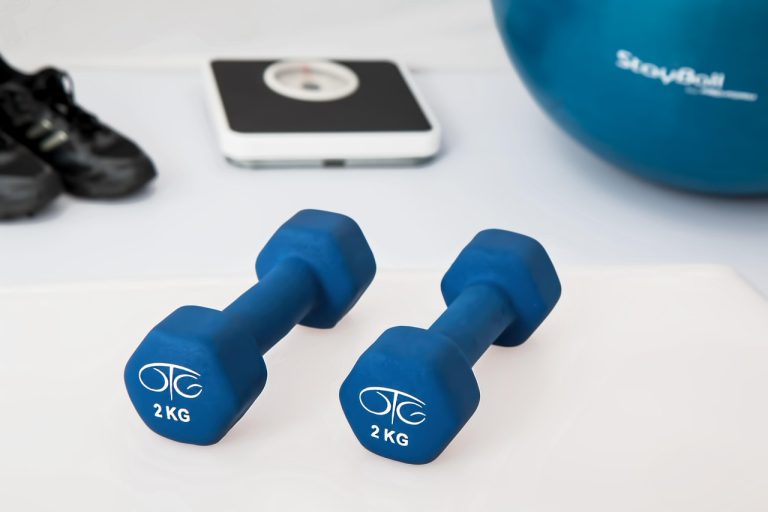
Committing to a fitness journey is like planting a seed – it requires nurturing, patience, and consistent effort to blossom into a healthier, stronger you. But often, the initial enthusiasm fades, and the commitment wavers. Understanding the elements that foster and sustain fitness commitment is crucial for long-term success. This post delves into practical strategies to help you solidify your fitness commitment and achieve lasting results.
Understanding Fitness Commitment
Defining Fitness Commitment
Fitness commitment is more than just signing up for a gym membership or downloading a fitness app. It’s about making a conscious and unwavering decision to prioritize your physical well-being, integrating regular exercise and healthy habits into your lifestyle. It involves:
- Setting realistic goals: Instead of aiming for overnight transformations, focus on small, achievable milestones.
- Making it a habit: Treat exercise like brushing your teeth – a non-negotiable part of your daily routine.
- Overcoming obstacles: Anticipate potential challenges and develop strategies to overcome them.
Why Fitness Commitment Matters
Committing to fitness offers a multitude of benefits that extend far beyond physical appearance:
- Improved physical health: Reduces the risk of chronic diseases like heart disease, type 2 diabetes, and certain cancers.
- Enhanced mental well-being: Exercise releases endorphins, which have mood-boosting effects and reduce stress and anxiety.
- Increased energy levels: Regular physical activity can combat fatigue and improve overall energy levels.
- Better sleep quality: Exercise can help regulate your sleep cycle and promote deeper, more restful sleep.
- Increased self-esteem: Achieving fitness goals can boost your confidence and self-image.
Setting Achievable Fitness Goals
The SMART Goal Framework
Setting effective goals is paramount to maintaining fitness commitment. The SMART framework provides a structured approach:
- Specific: Clearly define what you want to achieve. (e.g., “Run a 5k race”)
- Measurable: How will you track your progress? (e.g., “Improve my 5k time by 5 minutes”)
- Achievable: Is the goal realistic and attainable? (e.g., Considering your current fitness level)
- Relevant: Does the goal align with your overall values and aspirations? (e.g., Health, weight loss, stress reduction)
- Time-bound: Set a deadline for achieving the goal. (e.g., “Within 3 months”)
Breaking Down Big Goals
Large, intimidating goals can be discouraging. Break them down into smaller, more manageable steps:
- Example: Instead of aiming to lose 50 pounds in a year, focus on losing 1-2 pounds per week.
- Track your progress: Use a fitness tracker, journal, or app to monitor your achievements and stay motivated.
- Celebrate milestones: Reward yourself for reaching smaller goals to reinforce positive behavior.
Building a Sustainable Fitness Routine
Finding Activities You Enjoy
The key to long-term fitness commitment is finding activities you genuinely enjoy. Experiment with different types of exercise until you discover what resonates with you:
- Cardio: Running, swimming, cycling, dancing
- Strength training: Weightlifting, bodyweight exercises, resistance bands
- Flexibility and balance: Yoga, Pilates, Tai Chi
- Team sports: Basketball, soccer, volleyball
Creating a Realistic Schedule
Integrate exercise into your daily routine by scheduling it like any other important appointment. Consider these tips:
- Choose a consistent time: Whether it’s early morning, lunchtime, or evening, find a time that works best for your schedule.
- Start small: Begin with 15-30 minutes of exercise 2-3 times per week and gradually increase the duration and frequency.
- Prepare in advance: Lay out your workout clothes, pack your gym bag, and plan your meals to minimize excuses.
- Example: Mondays, Wednesdays and Fridays at 6:30 AM – 7:00 AM complete a bodyweight circuit training routine at home.
The Importance of Rest and Recovery
Rest and recovery are just as crucial as exercise for achieving fitness goals and preventing injuries:
- Allow for rest days: Schedule 1-2 rest days per week to allow your body to recover.
- Get enough sleep: Aim for 7-9 hours of quality sleep per night.
- Practice active recovery: Engage in light activities like walking or stretching on your rest days.
Overcoming Common Obstacles to Fitness Commitment
Identifying Potential Challenges
Anticipating potential obstacles is essential for developing coping strategies:
- Lack of time: Prioritize exercise and schedule it into your day.
- Lack of motivation: Find an exercise buddy, join a fitness class, or reward yourself for reaching goals.
- Injuries: Listen to your body, warm up properly, and seek professional help if needed.
- Plateaus: Adjust your workout routine, try new activities, or consult with a fitness professional.
- Example: If you’re traveling, research local gyms or pack resistance bands for easy workouts on the go.
Building a Support System
Having a support system can significantly enhance your fitness commitment:
- Exercise buddy: Find a friend, family member, or colleague to work out with.
- Fitness community: Join a local gym, fitness class, or online support group.
- Personal trainer: Hire a qualified personal trainer to provide guidance and motivation.
- Share your goals: Tell your friends and family about your fitness goals and ask for their support.
Staying Positive and Persistent
Setbacks are inevitable. The key is to stay positive and persistent:
- Focus on progress, not perfection: Celebrate small victories and don’t get discouraged by occasional slip-ups.
- Practice self-compassion: Be kind to yourself and avoid negative self-talk.
- Remember your “why”: Remind yourself of the reasons why you started your fitness journey and the benefits you’re striving for.
Tracking Progress and Staying Motivated
Utilizing Fitness Trackers and Apps
Fitness trackers and apps can be valuable tools for monitoring your progress and staying motivated:
- Track your activity levels: Monitor your steps, distance, and calories burned.
- Set reminders: Schedule workout reminders and stay on track.
- Join challenges: Participate in virtual fitness challenges and compete with others.
- Track nutrition: Monitor your calorie intake and macronutrient ratios.
Rewarding Yourself for Milestones
Reinforce positive behavior by rewarding yourself for reaching milestones:
- Non-food rewards: Treat yourself to a new workout outfit, a massage, or a relaxing activity.
- Small rewards: Reward yourself for reaching smaller goals to maintain momentum.
- Avoid using food as a reward: Focus on non-food rewards to avoid associating exercise with unhealthy eating habits.
Re-evaluating and Adjusting Your Goals
Regularly re-evaluate your goals and adjust them as needed:
- Are your goals still relevant and challenging?
- Are you making progress towards your goals?
- Do you need to adjust your workout routine or nutrition plan?
- Adapt to changing circumstances: Life changes can impact your fitness routine. Be flexible and adjust your schedule accordingly.
Conclusion
Committing to fitness is a continuous journey, not a destination. By understanding the principles of fitness commitment, setting achievable goals, building a sustainable routine, overcoming obstacles, and tracking your progress, you can transform your health and well-being. Remember to be patient, persistent, and celebrate your achievements along the way. Embrace the journey, and enjoy the benefits of a healthier, stronger, and more confident you.