Physical Address
304 North Cardinal St.
Dorchester Center, MA 02124
Physical Address
304 North Cardinal St.
Dorchester Center, MA 02124

Embarking on a fitness journey can feel daunting, especially with so much information available. Where do you even start? This guide is designed to demystify the process and provide a clear, actionable roadmap for beginners to achieve their fitness goals safely and effectively. We’ll cover everything from setting realistic goals and building a balanced workout routine to understanding proper nutrition and staying motivated. Let’s dive in and transform your health and wellbeing!
Before you even think about squats or salads, the most crucial step is understanding why you want to get fit. Is it to improve your energy levels, lose weight, gain strength, or simply feel better about yourself? Your “why” will be your anchor when motivation wanes.
Once you know your “why,” translate it into SMART goals: Specific, Measurable, Achievable, Relevant, and Time-bound. This framework transforms aspirations into concrete objectives.
Cardio is essential for improving heart health, burning calories, and boosting endurance. It doesn’t require expensive equipment – your own body is often enough!
Brisk walking: A great low-impact option for beginners. Aim for at least 30 minutes, 3-5 times a week.
Jogging/Running: Start with intervals (walk for 2 minutes, jog for 1 minute) and gradually increase the jogging time.
Cycling: Another low-impact option that’s easy on the joints.
Swimming: A full-body workout that’s gentle on the body.
Improved cardiovascular health
Weight management
Increased energy levels
Reduced risk of chronic diseases
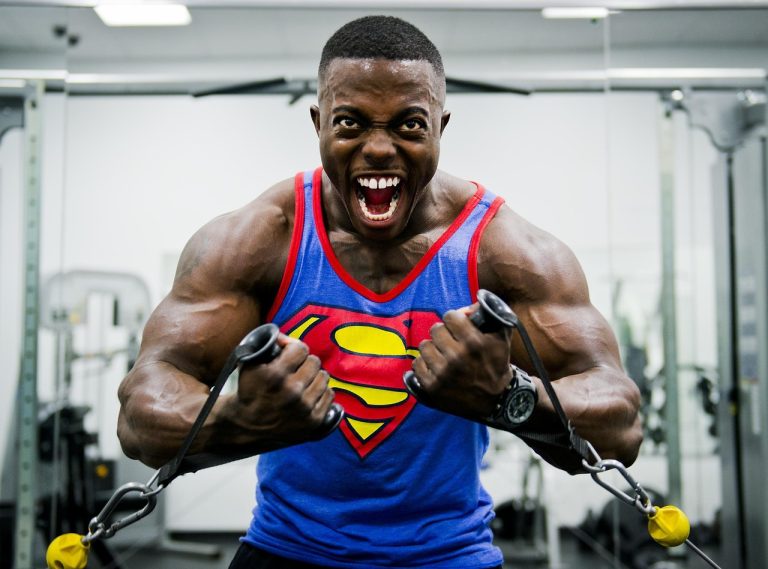
Strength training helps build muscle mass, increase metabolism, and improve bone density. It doesn’t mean becoming a bodybuilder – it’s about improving your overall strength and functional fitness.
Bodyweight exercises: Squats, push-ups, lunges, planks. These are excellent for beginners as they require no equipment.
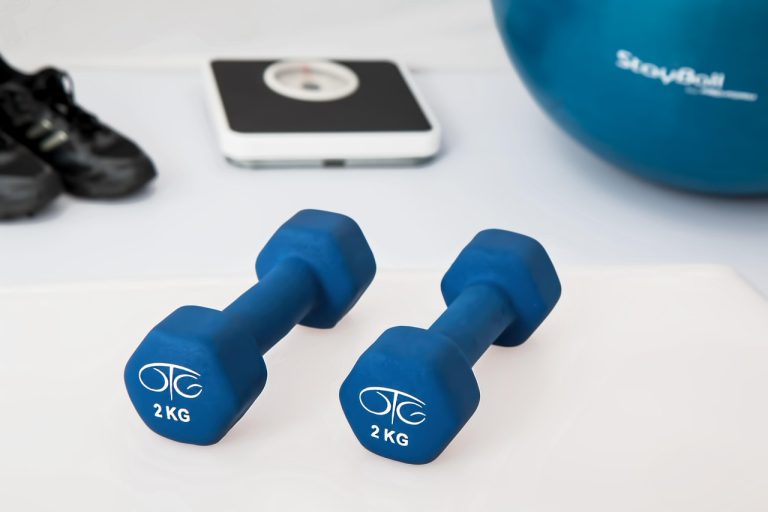
Dumbbell exercises: Bicep curls, tricep extensions, shoulder presses, rows. Start with light weights and gradually increase the weight as you get stronger.
Resistance band exercises: A versatile and portable option for adding resistance to your workouts.
Machines at the gym: These can be helpful for beginners as they provide support and guidance.
Increased muscle mass
Improved strength and endurance
Increased metabolism
Improved bone density
Better posture
Flexibility and mobility are often overlooked but are crucial for preventing injuries and improving overall movement.
Static stretching: Holding a stretch for 30 seconds. Examples include hamstring stretches, quad stretches, and calf stretches.
Dynamic stretching: Performing controlled movements through a full range of motion. Examples include arm circles, leg swings, and torso twists.
Yoga: Combines stretching, strength training, and mindfulness.
Foam rolling: A form of self-massage that can help release muscle tension.
Improved flexibility and range of motion
Reduced risk of injuries
Improved posture
Reduced muscle soreness
Increased relaxation
Understanding macronutrients – protein, carbohydrates, and fats – is essential for fueling your workouts and achieving your fitness goals.
Staying hydrated is crucial for optimal performance and recovery.
Having someone to share your fitness journey with can significantly boost your motivation and adherence.
Increased motivation
Increased accountability
Shared support and encouragement
Fun and enjoyable workouts
Monitoring your progress can help you stay motivated and see how far you’ve come.
Fitness trackers: Track your steps, heart rate, and calorie burn.
Journaling: Record your workouts, meals, and progress.
Taking photos: Visual progress can be incredibly motivating.
Measuring your body: Track your measurements to see changes in your body composition.
Acknowledge and celebrate your achievements, no matter how small they may seem.
Completing a workout
Eating a healthy meal
Losing a pound
Increasing your strength
Starting a fitness journey can be challenging, but with a clear plan, realistic goals, and consistent effort, you can achieve your desired results. Remember to focus on building a balanced workout routine, fueling your body with nutritious foods, and staying motivated. Most importantly, be patient with yourself and enjoy the process. Fitness is a marathon, not a sprint, so celebrate every small victory along the way. Good luck on your journey to a healthier and happier you!