Physical Address
304 North Cardinal St.
Dorchester Center, MA 02124
Physical Address
304 North Cardinal St.
Dorchester Center, MA 02124


Juggling a demanding career, family commitments, and social obligations can leave you feeling like there’s no time left for yourself, let alone fitness. But maintaining a healthy lifestyle doesn’t require hours in the gym. With a few strategic adjustments and a commitment to efficiency, you can integrate fitness into your busy schedule and reap the numerous physical and mental benefits. This guide provides actionable strategies to help you prioritize your health and achieve your fitness goals, even with a packed calendar.
The most common obstacle is, unsurprisingly, time. Finding a dedicated hour for exercise can feel impossible when you’re already stretched thin. This perceived lack of time often leads to feelings of guilt and discouragement, making it even harder to prioritize fitness.
Long hours and demanding workloads can leave you feeling exhausted, making the thought of exercise incredibly unappealing. Low energy levels often translate to a lack of motivation.
Busy individuals may lack access to gyms or suitable workout environments. They may also miss the support system crucial for sticking to a fitness routine.
HIIT involves short bursts of intense exercise followed by brief recovery periods. This method is incredibly time-efficient and effective for burning calories and improving cardiovascular health.
Saves Time: Workouts can be completed in 15-30 minutes.
Burns Calories: High intensity leads to significant calorie expenditure, even after the workout.
Improves Cardiovascular Health: Enhances endurance and heart function.
Bodyweight exercises require no equipment and can be done anywhere, making them perfect for busy individuals. They are effective for building strength, improving flexibility, and toning muscles.
Focus on Proper Form: Ensure correct technique to avoid injuries.
Progress Gradually: Increase the number of repetitions or sets as you get stronger.
Mix It Up: Vary your exercises to target different muscle groups and prevent boredom.
Incorporate physical activity into your daily commute. Walking, cycling, or even taking the stairs instead of the elevator can contribute significantly to your fitness goals.
Walk or Cycle to Work: Even a short walk can make a difference.
Take the Stairs: Avoid elevators and escalators whenever possible.
Park Further Away: Park a little further from your destination to increase your walking distance.
Use Public Transportation: Stand instead of sitting on the bus or train.
Treat your workouts as non-negotiable appointments in your calendar. Blocking out time specifically for exercise increases the likelihood that you’ll stick to your routine.
Set Specific Times: Choose consistent days and times for your workouts.
Add to Your Calendar: Mark your workouts in your digital or physical calendar.
Treat Them Seriously: Avoid rescheduling unless absolutely necessary.
Prepare in Advance: Lay out your workout clothes and equipment the night before.
Even if you can’t find a large block of time, you can still squeeze in short bursts of exercise throughout the day. These “micro-workouts” can add up and provide significant benefits.
Take a 5-minute walk during your lunch break.
Do 10 squats or push-ups every hour.
Stretch at your desk for a few minutes.
Climb a flight of stairs during a coffee break.
Increased Activity Levels: Boost your overall daily movement.
Improved Energy Levels: Combat fatigue and improve focus.
Reduced Sedentary Time: Break up long periods of sitting.
Numerous fitness apps and online resources can help you stay motivated, track your progress, and access a variety of workouts tailored to your needs.
Nike Training Club: Offers a wide range of workouts led by expert trainers.
Peloton: Provides access to live and on-demand fitness classes.
MyFitnessPal: Helps you track your calories and macronutrients.
Headspace: Focuses on mindfulness and meditation.
Convenience: Access workouts and guidance from anywhere.
Motivation: Track your progress and stay accountable.
Variety: Explore different types of workouts to keep things interesting.
Preparing meals in advance saves time and ensures that you have healthy, balanced meals readily available. This prevents unhealthy impulse decisions when you’re short on time.
Plan Your Meals: Create a meal plan for the week ahead.
Shop Strategically: Buy all the ingredients you need in one trip.
Batch Cook: Cook large quantities of food at once.
Portion and Store: Divide your meals into individual containers.
Overnight oats with berries and nuts for breakfast.
Grilled chicken with quinoa and roasted vegetables for lunch.
Lentil soup with whole-grain bread for dinner.
Healthy snacks can help you stay energized and prevent overeating at meals. Choose nutrient-dense options that provide sustained energy.
Fruits and vegetables with hummus.
Greek yogurt with granola and berries.
Trail mix with nuts, seeds, and dried fruit.
Hard-boiled eggs.
Staying properly hydrated is crucial for energy levels, focus, and overall health. Carry a water bottle with you and sip on it throughout the day.
Set Reminders: Use a water tracking app or set alarms to remind you to drink water.
Infuse Your Water: Add fruits, vegetables, or herbs to make your water more flavorful.
Drink Before You’re Thirsty: Don’t wait until you feel thirsty to drink water.
Aim for 8 Glasses a Day: Adjust your intake based on your activity level and climate.
Sufficient sleep is essential for physical and mental recovery. Aim for 7-9 hours of quality sleep per night.
Establish a Regular Sleep Schedule: Go to bed and wake up at the same time each day, even on weekends.
Create a Relaxing Bedtime Routine: Wind down with a warm bath, reading, or meditation.
Optimize Your Sleep Environment: Make sure your bedroom is dark, quiet, and cool.
Avoid Caffeine and Alcohol Before Bed: These substances can interfere with sleep.
Chronic stress can negatively impact your health and fitness progress. Implement stress management techniques to help you relax and recharge.
Meditation and Mindfulness: Practice daily meditation or mindfulness exercises.
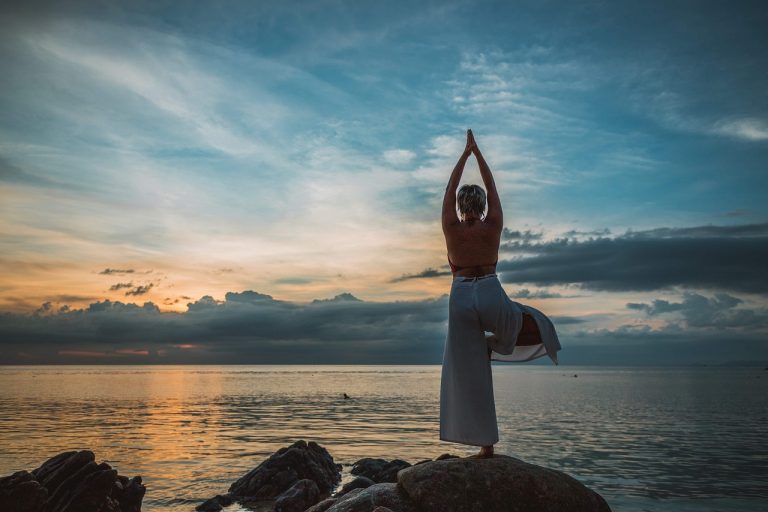
Yoga and Stretching: Improve flexibility and reduce muscle tension.
Spending Time in Nature: Connect with the outdoors to reduce stress.
Deep Breathing Exercises: Practice deep breathing to calm your nervous system.
Incorporate active recovery days into your routine. This involves light physical activity that promotes blood flow and reduces muscle soreness.
Going for a leisurely walk or bike ride.
Practicing yoga or Pilates.
Swimming or water aerobics.
Integrating fitness into a busy lifestyle requires strategic planning, efficiency, and a commitment to prioritizing your health. By understanding the challenges, implementing efficient workout strategies, optimizing your nutrition, and prioritizing rest and recovery, you can achieve your fitness goals and improve your overall well-being, even with a packed schedule. Remember that small, consistent changes can lead to significant results over time. Start with one or two of these strategies and gradually incorporate more as you build momentum and see positive results. The key is to find what works best for you and make fitness a sustainable part of your daily routine.