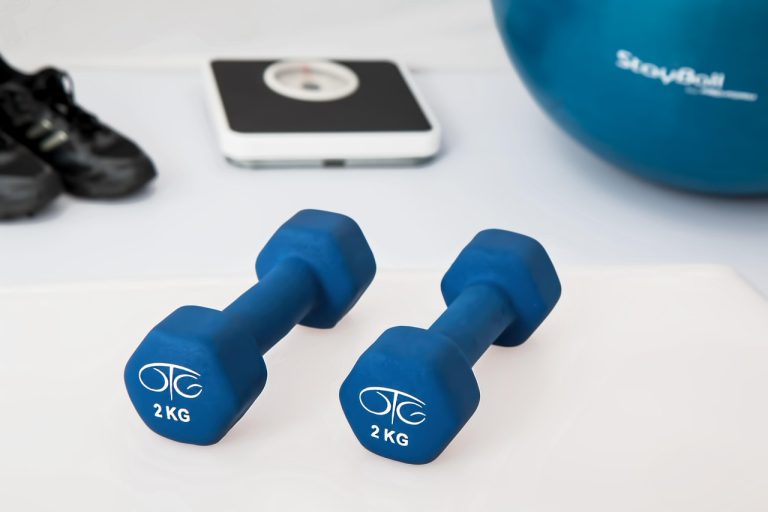
Embarking on a new training journey can feel overwhelming. Whether you’re lacing up your running shoes for the first time, stepping into a gym, or diving into a new skill, understanding the fundamentals of beginner training is crucial for success and, more importantly, for preventing injuries and building a solid foundation. This guide provides a comprehensive overview of beginner training principles, offering practical advice and actionable strategies to help you achieve your goals safely and effectively.
Understanding the Fundamentals of Beginner Training
The beginning stages of any training program are about building a solid base. It’s about learning proper form, understanding your body, and establishing healthy habits that will support your long-term goals.
Setting Realistic Goals
- Why it matters: Unrealistic goals often lead to discouragement and burnout.
- How to do it: Start small. Instead of aiming to run a marathon in six months if you’ve never run before, set a goal to run a 5k. Break down larger goals into smaller, more manageable steps.
- Example: If your goal is to lose weight, aim to lose 1-2 pounds per week. This is a sustainable and healthy rate of weight loss. Document your progress regularly.
The Importance of Proper Form
- Why it matters: Proper form prevents injuries and ensures that you’re targeting the right muscles.
- How to do it: Seek guidance from a qualified instructor or trainer, especially when learning new exercises. Utilize online resources like videos, but be critical and ensure the source is credible. Consider filming yourself to analyze your form.
- Example: When squatting, focus on keeping your back straight, chest up, and core engaged. Your knees should track over your toes. Don’t sacrifice depth for weight.
Listen to Your Body
- Why it matters: Ignoring pain or pushing through fatigue can lead to serious injuries.
- How to do it: Pay attention to your body’s signals. Rest when you need to, and don’t be afraid to modify exercises or take rest days. Differentiate between muscle soreness and joint pain. Muscle soreness is generally a sign of adaptation, while joint pain requires more attention.
- Example: If you experience sharp pain during an exercise, stop immediately and consult with a healthcare professional.
Choosing the Right Training Program
Selecting the appropriate training program depends on your goals, interests, and current fitness level. It’s important to find something you enjoy and that aligns with your lifestyle.
Types of Beginner Programs
- Strength Training: Focuses on building muscle mass and strength using weights or resistance.
Example: A basic strength training program might include squats, deadlifts, bench presses, overhead presses, and rows.
- Cardiovascular Training: Improves cardiovascular health and endurance through activities like running, swimming, cycling, or dancing.
Example: A beginner cardio program might involve brisk walking for 30 minutes, three times a week.
- Flexibility and Mobility Training: Enhances range of motion and flexibility through stretching and mobility exercises.
* Example: Yoga, Pilates, and foam rolling can improve flexibility and mobility.
Sample Beginner Workout Plan (Strength Training)
- Day 1: Full Body Strength (Squats, Push-ups, Rows) – 3 sets of 10-12 repetitions. Focus on form!
- Day 2: Rest or Active Recovery (Light walking or stretching)
- Day 3: Full Body Strength (Deadlifts, Overhead Press, Lunges) – 3 sets of 10-12 repetitions.
- Day 4: Rest or Active Recovery (Yoga or Pilates)
- Day 5: Full Body Strength (Squats, Push-ups, Rows) – 3 sets of 10-12 repetitions.
- Day 6-7: Rest
Sample Beginner Cardio Workout Plan
- Week 1-2: 20 minutes of brisk walking, 3 times per week.
- Week 3-4: 25 minutes of brisk walking, 3 times per week. Incorporate short bursts of jogging (30 seconds).
- Week 5-6: 30 minutes of brisk walking/jogging intervals, 3 times per week. Increase jogging duration.
- Important: Always warm-up before and cool-down after your workouts.
Nutrition and Recovery for Beginners
Training is only one piece of the puzzle. Proper nutrition and recovery are equally important for achieving your goals.
The Importance of a Balanced Diet
- Why it matters: Fuel your body with the right nutrients to support your training efforts.
- How to do it: Focus on whole, unprocessed foods, including fruits, vegetables, lean proteins, and whole grains.
- Example: A balanced meal might include grilled chicken breast, brown rice, and steamed broccoli.
Hydration is Key
- Why it matters: Water is essential for numerous bodily functions, including energy production and muscle recovery.
- How to do it: Drink plenty of water throughout the day, especially before, during, and after workouts.
- Example: Aim to drink at least half your body weight in ounces of water per day.
Prioritizing Sleep and Rest
- Why it matters: Sleep is crucial for muscle repair and growth.
- How to do it: Aim for 7-9 hours of quality sleep each night.
- Example: Establish a consistent sleep schedule and create a relaxing bedtime routine. Avoid screens before bed. Studies show that adequate sleep improves workout performance and reduces injury risk.
Avoiding Common Beginner Mistakes
Many beginners fall into common traps that can hinder their progress and increase their risk of injury. Being aware of these pitfalls can help you stay on track.
Doing Too Much Too Soon
- Why it matters: Overexertion can lead to injuries and burnout.
- How to do it: Gradually increase the intensity and duration of your workouts over time. Start with lighter weights and shorter workouts.
- Example: If you’re new to running, start with a walk-run program and gradually increase the amount of time you spend running.
Neglecting Warm-ups and Cool-downs
- Why it matters: Warm-ups prepare your body for exercise, while cool-downs help prevent muscle soreness.
- How to do it: Incorporate dynamic stretching and light cardio into your warm-up routine. End your workouts with static stretching and foam rolling.
- Example: A warm-up might include arm circles, leg swings, and torso twists. A cool-down might involve holding stretches for 30 seconds each.
Comparing Yourself to Others
- Why it matters: Everyone progresses at their own pace. Comparing yourself to others can lead to discouragement.
- How to do it: Focus on your own progress and celebrate your accomplishments, no matter how small. Remember that social media often presents an unrealistic picture.
- Example: Instead of comparing your weightlifting numbers to someone else’s, track your own progress and focus on improving your personal bests.
Conclusion
Starting a new training regimen is an exciting journey, filled with opportunities for growth and self-improvement. By understanding the fundamentals of beginner training, choosing the right program, prioritizing nutrition and recovery, and avoiding common mistakes, you can set yourself up for success. Remember to be patient, consistent, and, most importantly, listen to your body. With dedication and the right approach, you can achieve your goals and build a foundation for a healthy and active lifestyle.