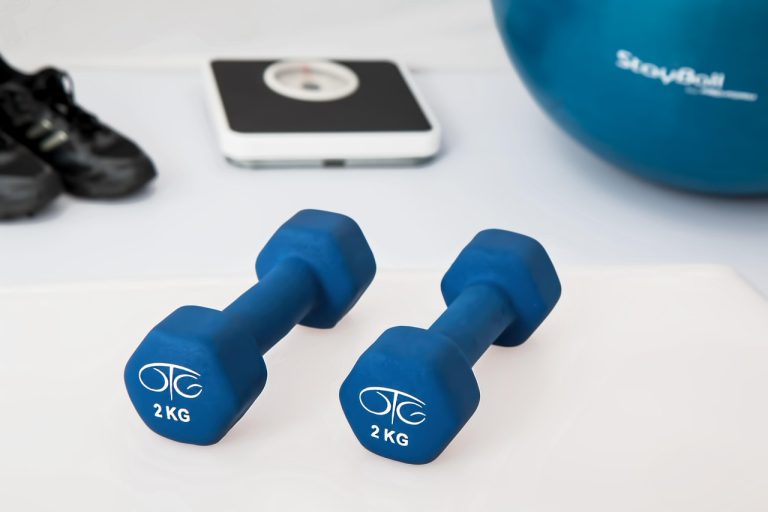
Embarking on a fitness journey from scratch can feel daunting. The sheer volume of information available, coupled with the pressure to achieve immediate results, can be overwhelming. But fear not! This guide is designed to break down the process into manageable steps, providing you with a clear and sustainable path to a healthier and fitter you. We’ll cover everything from setting realistic goals to building a workout routine and developing healthy eating habits. Let’s get started!
Defining Your Fitness Starting Point
Assessing Your Current Fitness Level
Before diving headfirst into intense workouts, it’s crucial to understand your current fitness baseline. This helps you set realistic goals and track your progress effectively.
- Cardiovascular Fitness: How easily do you get winded climbing stairs or walking at a brisk pace? Try a simple test like the “talk test” – you should be able to hold a conversation while exercising at a moderate intensity.
- Strength: Can you comfortably lift light objects? How many push-ups or squats can you perform with proper form? Try a bodyweight circuit (squats, push-ups, lunges) and note how many repetitions you can perform of each exercise before fatigue.
- Flexibility: How easily can you touch your toes? Perform basic stretches to assess your range of motion. Tight muscles can limit your movement and increase your risk of injury.
- Body Composition: Measure your weight, height and calculate your Body Mass Index (BMI). This gives you a general idea of your body composition, though it doesn’t distinguish between muscle and fat. Consider measuring your waist circumference for a more accurate assessment of abdominal fat.
- Actionable Takeaway: Spend some time honestly assessing your current fitness level. This is the foundation upon which your entire fitness journey will be built.
Setting Realistic Fitness Goals
Setting SMART goals is key to staying motivated and on track. SMART stands for:
- Specific: Instead of “get in shape,” aim for “lose 10 pounds” or “run a 5k.”
- Measurable: How will you track your progress? Use a fitness tracker, journal, or app to monitor your workouts and results.
- Achievable: Are your goals realistic given your current fitness level and lifestyle? Don’t try to overhaul everything overnight.
- Relevant: Are your goals aligned with your personal values and motivations? If you hate running, don’t set a goal to run a marathon.
- Time-bound: When do you want to achieve your goals? Set a deadline to keep yourself accountable. For example, aim to lose 1-2 pounds per week.
- Example: A SMART goal might be: “I will walk for 30 minutes, 3 times per week, for the next month to improve my cardiovascular fitness.”
- Actionable Takeaway: Define 2-3 SMART goals that are personally meaningful and attainable. Write them down and revisit them regularly.
Building a Beginner-Friendly Workout Routine
The Importance of Gradual Progression
Starting too hard, too fast is a recipe for burnout and injury. A gradual progression approach is crucial for building a solid foundation.
- Start Slow: Begin with short, low-intensity workouts. Focus on mastering proper form before increasing the intensity or duration.
- Listen to Your Body: Pay attention to any pain or discomfort. Don’t push through pain; rest and recover when needed.
- Progressive Overload: Gradually increase the intensity, duration, or frequency of your workouts over time. This challenges your body and promotes adaptation. A good rule of thumb is to increase one aspect by no more than 10% per week.
- Actionable Takeaway: Commit to a slow and steady approach, prioritizing form and consistency over intensity.
Sample Beginner Workout Plan
This plan incorporates cardiovascular exercise, strength training, and flexibility.
- Warm-up (5-10 minutes): Light cardio (e.g., walking, jogging in place) and dynamic stretching (e.g., arm circles, leg swings).
- Cardio (20-30 minutes): Choose an activity you enjoy, such as walking, cycling, swimming, or dancing. Aim for a moderate intensity, where you can hold a conversation but are slightly breathless.
- Strength Training (20-30 minutes): Focus on compound exercises that work multiple muscle groups.
Squats (2-3 sets of 10-12 repetitions)
Push-ups (2-3 sets of as many repetitions as possible)
Lunges (2-3 sets of 10-12 repetitions per leg)
Plank (2-3 sets, holding for 30-60 seconds)
- Cool-down (5-10 minutes): Static stretching, holding each stretch for 30 seconds. Focus on major muscle groups.
- Schedule: Aim for 3-4 workouts per week, with rest days in between. For example:
- Monday: Workout
- Tuesday: Rest
- Wednesday: Workout
- Thursday: Rest
- Friday: Workout
- Saturday: Rest
- Sunday: Active Rest (light walk or stretching)
- Actionable Takeaway: Follow this sample workout plan or adapt it to your own preferences and limitations. Consistency is key.
Finding Activities You Enjoy
Fitness should be enjoyable! Explore different activities until you find something you look forward to doing.
- Variety is Key: Don’t be afraid to try new things. Attend a group fitness class, go for a hike, or join a sports team.
- Make it Social: Exercise with a friend or family member for added motivation and accountability.
- Focus on the Process, Not Just the Results: Celebrate small victories and enjoy the feeling of being active.
- Actionable Takeaway: Experiment with different activities until you find ones that you genuinely enjoy. This will make your fitness journey much more sustainable.
Nutrition for Beginners
The Importance of a Balanced Diet
Proper nutrition is just as important as exercise for achieving your fitness goals. A balanced diet provides your body with the fuel it needs to perform at its best and recover effectively.
- Macronutrients: Focus on getting adequate amounts of protein, carbohydrates, and fats.
Protein: Essential for muscle building and repair. Aim for 0.8-1 gram of protein per pound of body weight. Good sources include lean meats, poultry, fish, beans, lentils, and tofu.
Carbohydrates: Provide energy for your workouts. Choose complex carbohydrates like whole grains, fruits, and vegetables over refined carbohydrates like white bread and sugary drinks.
Fats: Important for hormone production and overall health. Choose healthy fats like avocados, nuts, seeds, and olive oil.
- Micronutrients: Ensure you’re getting enough vitamins and minerals from fruits, vegetables, and whole grains.
- Hydration: Drink plenty of water throughout the day. Dehydration can impair performance and lead to fatigue. Aim for at least 8 glasses of water per day.
- Actionable Takeaway: Prioritize a balanced diet that includes lean protein, complex carbohydrates, healthy fats, and plenty of fruits and vegetables.
Simple Meal Planning Tips
Meal planning can help you stay on track with your nutrition goals and avoid unhealthy impulse decisions.
- Plan Your Meals in Advance: Take some time each week to plan your meals for the upcoming week.
- Prepare Your Meals Ahead of Time: Cook large batches of healthy meals and store them in the refrigerator or freezer.
- Pack Your Own Lunch: This allows you to control the ingredients and portion sizes.
- Keep Healthy Snacks on Hand: Keep healthy snacks like fruits, vegetables, nuts, and yogurt readily available to avoid unhealthy cravings.
- Example: A sample meal plan for a day might include:
- Breakfast: Oatmeal with berries and nuts
- Lunch: Salad with grilled chicken or tofu
- Dinner: Baked salmon with roasted vegetables
- Snacks: Apple slices with peanut butter, yogurt with granola
- Actionable Takeaway: Implement simple meal planning strategies to make healthy eating easier and more sustainable.
Mindful Eating
Mindful eating involves paying attention to your food and the experience of eating.
- Eat Slowly: Take your time to savor each bite.
- Pay Attention to Your Hunger Cues: Eat when you’re hungry and stop when you’re full.
- Minimize Distractions: Turn off the TV and put away your phone while you’re eating.
- Actionable Takeaway: Practice mindful eating to develop a healthier relationship with food and prevent overeating.
Staying Motivated and Consistent
Tracking Your Progress
Tracking your progress can provide valuable feedback and keep you motivated.
- Keep a Fitness Journal: Record your workouts, meals, and other relevant information.
- Use a Fitness Tracker: Track your steps, heart rate, and calories burned.
- Take Progress Photos: Visual evidence of your progress can be very motivating.
- Measure Your Body Measurements: Track changes in your waist circumference, hips, and other body measurements.
- Actionable Takeaway: Choose a method for tracking your progress that works for you and use it consistently.
Dealing with Setbacks
Everyone experiences setbacks on their fitness journey. It’s important to learn how to deal with them in a healthy way.
- Don’t Be Too Hard on Yourself: It’s okay to miss a workout or have an unhealthy meal. Just get back on track as soon as possible.
- Identify the Cause of the Setback: What triggered the setback? Was it stress, lack of sleep, or something else?
- Learn from Your Mistakes: Use setbacks as an opportunity to learn and grow.
- Seek Support: Talk to a friend, family member, or fitness professional for support and encouragement.
- Actionable Takeaway: Recognize that setbacks are a normal part of the process and develop strategies for overcoming them.
Celebrate Your Successes
Acknowledge and celebrate your accomplishments, no matter how small.
- Reward Yourself: Treat yourself to something you enjoy after reaching a goal.
- Share Your Successes: Share your accomplishments with friends and family for encouragement and support.
- Reflect on Your Progress: Take time to reflect on how far you’ve come and how much you’ve accomplished.
- *Actionable Takeaway: Celebrate your successes to reinforce positive behaviors and maintain motivation.
Conclusion
Starting a fitness journey from scratch can seem daunting, but by breaking it down into manageable steps and focusing on consistency and sustainability, you can achieve your goals and create a healthier, happier you. Remember to assess your current fitness level, set realistic goals, build a beginner-friendly workout routine, prioritize proper nutrition, and stay motivated by tracking your progress and celebrating your successes. Embrace the journey, and enjoy the process of becoming a fitter and healthier version of yourself. You’ve got this!