Physical Address
304 North Cardinal St.
Dorchester Center, MA 02124
Physical Address
304 North Cardinal St.
Dorchester Center, MA 02124

Starting a new exercise routine can feel daunting, especially when you’re unsure where to begin. But don’t let the perceived challenges hold you back! Exercise is a fantastic way to improve your physical and mental well-being. This guide will provide a comprehensive roadmap to help beginners embark on a safe, effective, and enjoyable fitness journey. We’ll break down the essentials, offering practical tips and advice to get you started on the right foot. Let’s ditch the intimidation and embrace the benefits of a healthier, more active lifestyle!
Before jumping into any exercise program, it’s crucial to understand your current fitness level. This helps you tailor your workouts to avoid injury and ensure steady progress.
Walking Test: How far can you walk at a comfortable pace before feeling fatigued?
Sit-to-Stand Test: How many times can you stand up from a chair in 30 seconds?
Flexibility Test: Can you comfortably reach your toes while sitting or standing?
Setting achievable goals is vital for staying motivated and tracking your progress.
Specific: Instead of “get in shape,” try “walk for 30 minutes, three times a week.”
Measurable: Track your progress – distance walked, weight lifted, or minutes exercised.
Achievable: Set realistic goals based on your current fitness level and time commitment.
Relevant: Ensure your goals align with your overall health and fitness objectives.
Time-bound: Set a deadline – “reach a 5k walk in three months.”
Walking is an excellent entry point to cardiovascular exercise, offering numerous benefits and requiring minimal equipment.
Improves cardiovascular health.
Burns calories and aids in weight management.
Boosts mood and reduces stress.
Low-impact, reducing the risk of joint pain.
Start with 10-15 minute walks at a comfortable pace.
Gradually increase the duration and intensity as you become more comfortable.
Find a route you enjoy – a park, neighborhood, or trail.
Explore other low-impact cardio activities like cycling or swimming.
Bodyweight exercises are a fantastic way to build strength without requiring any equipment.
Builds muscle strength and endurance.
Improves bone density.
Enhances balance and coordination.
Can be done anywhere, anytime.
Squats: Stand with feet shoulder-width apart and lower your hips as if sitting in a chair.
Push-ups: Start in a plank position and lower your chest towards the ground, then push back up. (Modify on your knees if needed.)
Plank: Hold a straight line from head to heels, engaging your core.
Lunges: Step forward with one leg and lower your body until both knees are bent at 90 degrees.
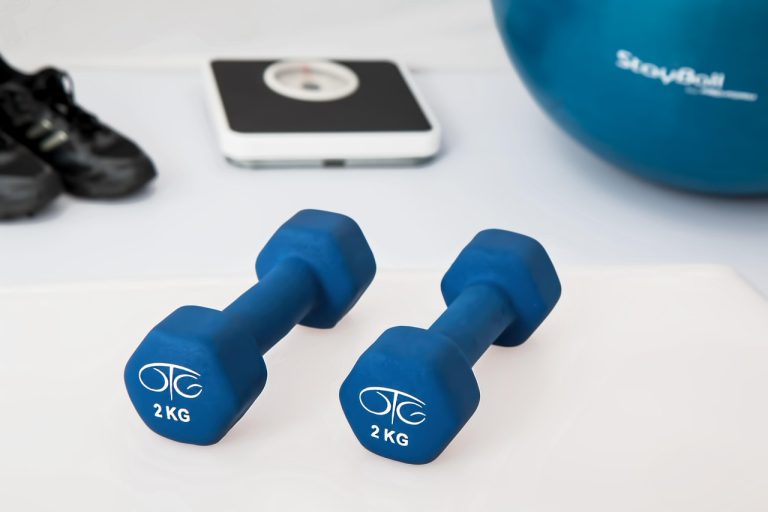
Once comfortable with bodyweight exercises, you can introduce light weights to further challenge your muscles.
Dumbbell Rows: Bend over at the waist and pull the dumbbells towards your chest.
Overhead Press: Stand with feet shoulder-width apart and press the dumbbells overhead.
Bicep Curls: Stand with feet shoulder-width apart and curl the dumbbells towards your shoulders.
Flexibility exercises are essential for improving range of motion, preventing injuries, and reducing muscle soreness.
Increases flexibility and range of motion.
Reduces muscle soreness and stiffness.
Improves posture and balance.
Reduces the risk of injury.
Hamstring Stretch: Sit on the floor with legs extended and reach towards your toes.
Quad Stretch: Stand and pull one foot towards your buttock.
Shoulder Stretch: Reach one arm across your body and gently pull it closer with the opposite hand.
Balance exercises are crucial for improving stability and preventing falls, especially as you age.
Improves balance and coordination.
Reduces the risk of falls.
Strengthens core muscles.
Single-Leg Stand: Stand on one leg for 30 seconds, gradually increasing the duration as you improve.
Heel-to-Toe Walk: Walk in a straight line, placing the heel of one foot directly in front of the toes of the other foot.
Balance Board: Use a balance board to challenge your stability.
Creating a structured workout plan helps ensure you’re hitting all the necessary components of fitness.
Monday: 30-minute walk.
Tuesday: Bodyweight strength training (squats, push-ups, planks).
Wednesday: Rest or light stretching.
Thursday: 30-minute bike ride.
Friday: Bodyweight strength training (lunges, dumbbell rows, overhead press).
Saturday: Yoga or Pilates class (focus on flexibility and balance).
Sunday: Rest or active recovery (light walk or stretching).
Rest and recovery are just as important as the workouts themselves.
Embarking on an exercise journey as a beginner can be incredibly rewarding. Remember to start slowly, set realistic goals, and listen to your body. Consistency is key! By incorporating cardio, strength training, and flexibility exercises into your routine, you’ll be well on your way to a healthier and happier you. Don’t be afraid to seek guidance from professionals and adjust your plan as needed. Enjoy the process and celebrate your progress along the way. Good luck!