Physical Address
304 North Cardinal St.
Dorchester Center, MA 02124
Physical Address
304 North Cardinal St.
Dorchester Center, MA 02124


Embarking on a fitness journey can feel overwhelming, but it doesn’t have to be! Understanding the fundamentals will set you up for success, making your workouts more effective and enjoyable. This guide breaks down the essential elements of fitness, providing you with the knowledge and tools to build a solid foundation for a healthier, stronger you. Let’s dive into the fitness basics and unlock your potential!
Fitness is more than just hitting the gym. It encompasses several key elements that work together to improve your overall health and well-being. Knowing these components will allow you to create a well-rounded fitness plan that addresses all aspects of your physical health.
Cardiovascular endurance, also known as aerobic fitness, refers to your heart and lungs’ ability to deliver oxygen to your muscles during sustained physical activity. It’s the foundation for many other types of fitness and is crucial for overall health.
Improved heart health: Reduces the risk of heart disease, stroke, and high blood pressure.
Increased energy levels: Enhances stamina and reduces fatigue.
Weight management: Burns calories and aids in weight loss or maintenance.
Improved mood: Releases endorphins, which have mood-boosting effects.
Running: A simple and effective way to improve cardiovascular health. Start with brisk walking and gradually increase your pace and distance.
Swimming: A low-impact exercise that’s gentle on the joints.
Cycling: Great for building leg strength and improving cardiovascular fitness.
Dancing: A fun and engaging way to get your heart rate up.
Strength training involves using resistance to build muscle mass and strength. It’s essential for maintaining bone density, improving metabolism, and enhancing overall functional fitness.
Increased muscle mass: Improves metabolism and helps burn more calories at rest.
Enhanced bone density: Reduces the risk of osteoporosis.
Improved posture and balance: Reduces the risk of falls and injuries.
Increased strength and endurance: Makes everyday activities easier.
Bodyweight exercises: Push-ups, squats, lunges, and planks are excellent for beginners.
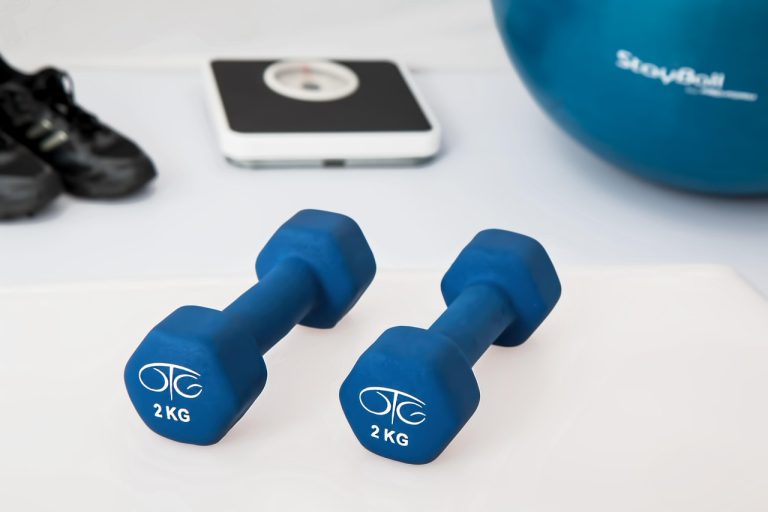
Weightlifting: Using dumbbells, barbells, or resistance machines to challenge your muscles.
Resistance band exercises: A versatile and portable option for strength training.
Flexibility refers to the range of motion in your joints, while mobility is the ability to move freely and easily. Improving flexibility and mobility is crucial for preventing injuries, reducing muscle soreness, and enhancing overall performance.
Reduced risk of injuries: Improves joint stability and reduces muscle tightness.
Improved posture: Helps maintain proper alignment and reduces back pain.
Increased range of motion: Makes everyday activities easier and more comfortable.
Reduced muscle soreness: Improves blood flow and reduces inflammation.
Static stretching: Holding a stretch for 30 seconds to lengthen muscles. (e.g., hamstring stretch, quad stretch)
Dynamic stretching: Moving through a range of motion to warm up muscles. (e.g., arm circles, leg swings)
Yoga: Combines stretching, strength training, and mindfulness.
* Foam rolling: A self-massage technique to release muscle tension.
Setting realistic and achievable fitness goals is crucial for staying motivated and tracking your progress. Avoid setting overly ambitious goals that can lead to burnout and discouragement.
Using the SMART goals framework can help you create effective fitness goals. SMART stands for:
A well-rounded workout plan should incorporate all the core components of fitness. Aim for a balanced routine that includes cardiovascular exercise, strength training, and flexibility exercises.
Nutrition plays a vital role in achieving your fitness goals. A healthy diet provides your body with the fuel it needs to perform optimally and recover effectively.
Macronutrients are the essential nutrients that your body needs in large amounts. They include carbohydrates, proteins, and fats.
Micronutrients are vitamins and minerals that your body needs in smaller amounts. They play a crucial role in various bodily functions, including energy production, immune function, and bone health.
Staying hydrated is crucial for optimal performance and recovery. Dehydration can lead to fatigue, muscle cramps, and decreased performance.
Understanding the fitness basics is essential for embarking on a successful and sustainable fitness journey. By incorporating cardiovascular endurance, strength training, and flexibility exercises into your routine, setting realistic goals, and prioritizing proper nutrition, you can achieve your fitness goals and improve your overall health and well-being. Remember to start slowly, listen to your body, and celebrate your progress along the way. Your fitness journey is a marathon, not a sprint, so enjoy the process!