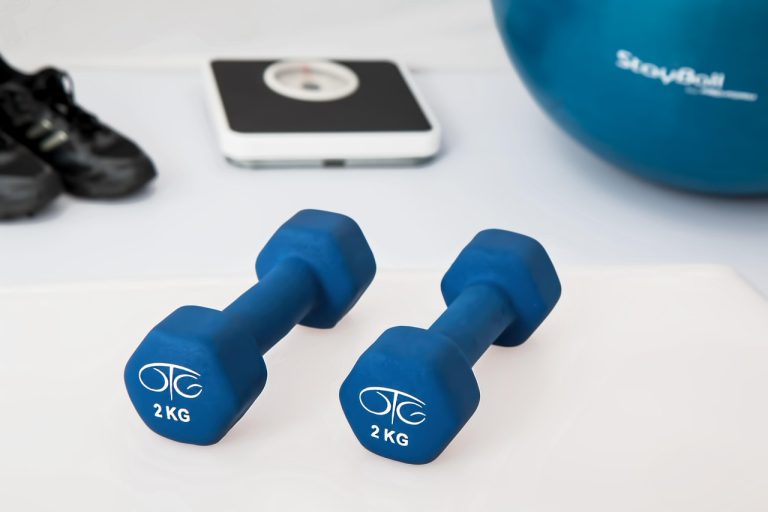
Start moving! That simple phrase can unlock a world of benefits for your physical and mental well-being. Whether you’re a seasoned athlete or someone who hasn’t exercised in years, incorporating more movement into your daily routine can significantly improve your quality of life. This article will explore the multitude of advantages of “starting to move” and provide practical tips on how to make it a sustainable part of your life.
The Power of Physical Activity: Why Start Moving?
Physical activity isn’t just about hitting the gym; it’s about any bodily movement produced by skeletal muscles that results in energy expenditure. From walking and gardening to dancing and swimming, there are countless ways to get moving. The key is finding activities you enjoy and that fit seamlessly into your lifestyle.
Physical Health Benefits of Moving
- Improved Cardiovascular Health: Regular physical activity strengthens your heart muscle, lowers blood pressure, and reduces the risk of heart disease, stroke, and other cardiovascular ailments. For example, aim for at least 150 minutes of moderate-intensity aerobic activity per week, such as brisk walking or cycling.
- Weight Management: Movement burns calories and helps you maintain a healthy weight. Combining physical activity with a balanced diet is the most effective way to manage your weight and reduce the risk of obesity-related health problems.
- Stronger Bones and Muscles: Weight-bearing exercises like walking, running, and weightlifting help build and maintain strong bones, reducing the risk of osteoporosis. They also strengthen muscles, improving your strength, balance, and coordination.
- Reduced Risk of Chronic Diseases: Studies show that regular physical activity can lower your risk of type 2 diabetes, some types of cancer (colon, breast, endometrial), and metabolic syndrome.
- Increased Energy Levels: While it may seem counterintuitive, exercise can actually boost your energy levels. Regular physical activity improves circulation and helps your body deliver oxygen and nutrients more efficiently, reducing fatigue.
Mental and Emotional Well-being
The benefits of physical activity extend far beyond the physical. Movement has a profound impact on your mental and emotional health.
- Reduced Stress and Anxiety: Exercise releases endorphins, which have mood-boosting effects and can help reduce feelings of stress, anxiety, and depression. A brisk walk in nature or a yoga session can be incredibly effective in calming your mind.
- Improved Mood: Physical activity can improve your overall mood and sense of well-being. Even a short burst of exercise can make you feel more positive and energetic.
- Better Sleep: Regular exercise can improve your sleep quality, helping you fall asleep faster, sleep more deeply, and wake up feeling refreshed. Just avoid vigorous exercise close to bedtime.
- Enhanced Cognitive Function: Studies have shown that physical activity can improve cognitive function, including memory, attention, and processing speed. It may also help protect against age-related cognitive decline.
- Increased Self-Esteem: Achieving fitness goals and feeling physically stronger can boost your self-esteem and confidence.
Getting Started: Practical Tips for Incorporating Movement
Starting a new exercise routine can feel daunting, but it doesn’t have to be. The key is to start small, be consistent, and find activities you enjoy.
Setting Realistic Goals
- Start Small: Don’t try to do too much too soon. Begin with short, manageable sessions and gradually increase the duration and intensity as you get fitter. For example, start with 10-minute walks and gradually increase to 30-minute walks.
- Be Specific: Instead of saying “I want to exercise more,” set specific goals, such as “I will walk for 30 minutes three times a week.”
- Make it Measurable: Track your progress to stay motivated. Use a fitness tracker or app to monitor your steps, distance, and activity levels.
- Set Achievable Goals: Make sure your goals are realistic and attainable. Don’t set yourself up for failure by aiming too high too soon.
- Reward Yourself: Celebrate your successes, no matter how small. Rewarding yourself will help you stay motivated and committed to your goals.
Finding Activities You Enjoy
- Experiment: Try different types of activities until you find something you enjoy. Consider walking, running, cycling, swimming, dancing, yoga, team sports, or gardening.
- Make it Social: Exercise with a friend or family member to stay motivated and accountable.
- Listen to Your Body: Pay attention to how your body feels and adjust your activity levels accordingly. Don’t push yourself too hard, especially when you’re just starting out.
- Make it Convenient: Choose activities that are easily accessible and fit into your schedule. For example, walk during your lunch break or take the stairs instead of the elevator.
- Incorporate Movement into Your Daily Routine: Look for opportunities to add more movement to your day, such as walking or cycling to work, taking the stairs, or doing household chores.
Overcoming Barriers to Movement
- Time Constraints: Schedule exercise into your calendar as you would any other important appointment. Even short bursts of activity can be beneficial.
- Lack of Motivation: Find an exercise buddy or join a fitness class to stay motivated. Set realistic goals and reward yourself for achieving them.
- Physical Limitations: Consult with your doctor or a physical therapist to develop a safe and effective exercise plan.
- Cost: There are many free or low-cost ways to get moving, such as walking, running, and bodyweight exercises.
- Fatigue: Start with gentle exercises and gradually increase the intensity as you get fitter. Make sure you’re getting enough sleep and eating a healthy diet.
Types of Movement: Exploring Your Options
There’s a vast array of activities that qualify as “movement,” catering to different preferences and fitness levels.
Aerobic Exercise
- Walking: A simple and accessible activity that can be done anywhere. Aim for at least 30 minutes of brisk walking most days of the week.
- Running: A more intense form of aerobic exercise that burns more calories and improves cardiovascular fitness.
- Cycling: A great way to explore your surroundings and get a good workout.
- Swimming: A low-impact exercise that’s gentle on the joints.
- Dancing: A fun and engaging way to improve your cardiovascular fitness and coordination.
Strength Training
- Weightlifting: Use weights to build muscle strength and endurance. Start with light weights and gradually increase the resistance as you get stronger.
- Bodyweight Exercises: Use your own body weight to build strength, such as push-ups, squats, lunges, and planks.
- Resistance Bands: A versatile and affordable tool for strength training.
Flexibility and Balance Exercises
- Stretching: Improve your flexibility and range of motion. Stretch after exercise or as a separate activity.
- Yoga: A combination of physical postures, breathing techniques, and meditation that promotes flexibility, strength, and relaxation.
- Pilates: A low-impact exercise that strengthens core muscles and improves posture.
- Tai Chi: A gentle form of exercise that improves balance, coordination, and relaxation.
Maintaining Momentum: Staying Consistent
The biggest challenge is often not starting to move, but continuing to move. Here are some strategies for maintaining momentum.
Tracking Your Progress
- Use a Fitness Tracker or App: Monitor your steps, distance, activity levels, and sleep patterns.
- Keep a Journal: Record your workouts, how you feel, and any challenges you encounter.
- Take Photos: Track your physical progress by taking photos every few weeks.
Finding a Support System
- Exercise with a Friend or Family Member: Stay motivated and accountable by exercising with others.
- Join a Fitness Class or Group: Connect with like-minded people and get support from a qualified instructor.
- Hire a Personal Trainer: Get personalized guidance and support from a fitness professional.
Celebrating Your Successes
- Reward Yourself: Celebrate your achievements, no matter how small. Treat yourself to something you enjoy, such as a massage, a new workout outfit, or a healthy meal.
- Reflect on Your Progress: Take time to reflect on how far you’ve come and appreciate the benefits you’re experiencing.
Conclusion
Starting to move is one of the best investments you can make in your health and well-being. The physical and mental benefits are numerous and far-reaching. By setting realistic goals, finding activities you enjoy, and overcoming barriers to movement, you can make physical activity a sustainable part of your life. So, take that first step today, and experience the transformative power of movement!