Unleashing your inner athlete doesn’t require a fancy gym membership or a garage full of expensive equipment. The beauty of fitness lies in its adaptability, and there’s a whole world of effective workouts you can do using just your bodyweight. Whether you’re traveling, short on time, or simply prefer the simplicity of minimal gear, this guide will show you how to achieve your fitness goals without spending a dime on equipment. Get ready to discover the power of bodyweight training and unlock a fitter, healthier you, right in the comfort of your own home.
Understanding the Power of Bodyweight Training
What is Bodyweight Training?
Bodyweight training, also known as calisthenics, utilizes your own body weight as resistance to build strength, endurance, and flexibility. It’s a time-tested method, dating back to ancient civilizations, and remains highly effective today. Instead of relying on external weights, you’ll be using gravity and your own mass to challenge your muscles.
Benefits of Equipment-Free Fitness
- Convenience: Workout anytime, anywhere, with no need for a gym or special equipment.
- Cost-Effective: Eliminates the need for gym memberships or expensive home gym equipment.
- Improved Functional Strength: Bodyweight exercises often mimic real-life movements, enhancing overall functional strength and stability.
- Enhanced Coordination & Balance: Many bodyweight exercises require core engagement and coordination, leading to improved balance and proprioception (awareness of your body in space).
- Reduced Risk of Injury: Because you’re working with your own weight, there’s generally a lower risk of injury compared to lifting heavy weights. However, proper form is still crucial.
- Scalability: Exercises can be easily modified to suit different fitness levels, making it accessible to beginners and advanced athletes alike.
Addressing Common Concerns
Some might think bodyweight training isn’t challenging enough. This is simply not true. By manipulating exercise variations, rep ranges, tempo, and rest periods, you can create incredibly challenging and effective workouts. Progressions like decline push-ups, pistol squats, and plyometric variations can significantly increase the difficulty.
Building Your Bodyweight Workout Plan
Assessing Your Fitness Level
Before diving into a workout plan, it’s essential to understand your current fitness level. Honestly assess your strength, endurance, and flexibility. Can you perform basic exercises like push-ups, squats, and planks with good form? This assessment will help you choose appropriate exercises and progressions.
Key Exercises for a Full-Body Workout
Here are some fundamental bodyweight exercises that target major muscle groups:
- Squats: Works legs and glutes. Focus on maintaining a straight back and reaching parallel (thighs parallel to the ground).
Progression: Jump Squats, Pistol Squats
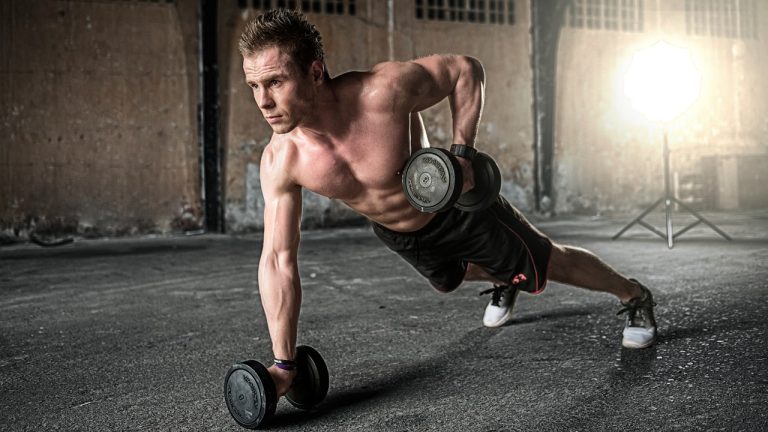
- Push-ups: Targets chest, shoulders, and triceps. Maintain a straight line from head to heels.
Progression: Decline Push-ups, Diamond Push-ups
- Plank: Strengthens core muscles. Hold a straight line from head to heels, engaging your abs.
Progression: Side Plank, Plank Jacks
- Lunges: Works legs and glutes, improving balance and coordination. Step forward and lower your back knee towards the ground.
Progression: Jumping Lunges, Reverse Lunges
- Glute Bridges: Isolates glutes and hamstrings. Lie on your back with knees bent, and lift your hips off the ground.
Progression: Single Leg Glute Bridges
- Pull-ups (with a Bar or Sturdy Branch): Back and biceps. Grip the bar and pull yourself up until your chin is above the bar.
Progression: Negative Pull-ups (focusing on the lowering phase), Australian Pull-ups (using a low bar).
Sample Workout Routines
Here are two sample workout routines, one for beginners and one for intermediate levels:
Squats: 3 sets of 10-12 repetitions
Push-ups (on knees if needed): 3 sets of as many repetitions as possible (AMRAP)
Plank: 3 sets, holding for 30 seconds
Lunges: 3 sets of 10 repetitions per leg
Glute Bridges: 3 sets of 15 repetitions
Jump Squats: 3 sets of 10-12 repetitions
Push-ups: 3 sets of as many repetitions as possible (AMRAP)
Plank Jacks: 3 sets of 15 repetitions
Walking Lunges: 3 sets of 10 repetitions per leg
Single Leg Glute Bridges: 3 sets of 12 repetitions per leg
Pull-ups (or Australian Pull-ups): 3 sets of as many repetitions as possible (AMRAP)
Remember to warm up before each workout and cool down afterwards.
Mastering Proper Form and Technique
Why Proper Form Matters
Using correct form is paramount in bodyweight training (and all exercise) to prevent injuries and maximize effectiveness. Incorrect form can lead to strain, pain, and even serious injuries over time. Proper form also ensures that you’re engaging the intended muscles, leading to better results.
Tips for Maintaining Good Form
- Focus on Control: Avoid rushing through exercises. Focus on controlled movements throughout the entire range of motion.
- Engage Your Core: Keep your core muscles engaged throughout each exercise. This will stabilize your spine and improve your overall form.
- Use a Mirror (If Possible): Check your form in a mirror to ensure you’re maintaining proper alignment.
- Record Yourself: Film yourself performing the exercises and review the footage to identify areas for improvement.
- Start Slow: Begin with easier variations of the exercises and gradually progress to more challenging ones as your strength and technique improve.
- Don’t be afraid to modify: Adjust the exercise to your fitness level. Knee pushups are a great way to modify pushups.
- Listen to Your Body: Pay attention to your body and stop if you experience any pain.
- Seek Expert Guidance: If you’re unsure about your form, consider consulting with a qualified fitness professional or watching instructional videos from reputable sources.
Common Form Mistakes to Avoid
- Squats: Rounding the back, letting the knees cave inward, not reaching parallel.
- Push-ups: Sagging hips, flaring elbows, not achieving a full range of motion.
- Plank: Sagging hips, arching the back, holding the breath.
- Lunges: Leaning too far forward, letting the front knee extend past the toes.
- Pull-ups: Using momentum to pull yourself up, not achieving a full range of motion.
Progression and Variation
The Importance of Progressive Overload
Progressive overload is the gradual increase of stress placed upon the body during exercise. This principle is crucial for continued progress. As your body adapts to a particular exercise, you need to increase the difficulty to continue challenging your muscles and promoting growth.
Ways to Increase the Difficulty
- Increase Repetitions: Gradually increase the number of repetitions you perform for each exercise.
- Increase Sets: Add more sets to your workout routine.
- Decrease Rest Time: Reduce the amount of rest you take between sets.
- Increase Time Under Tension: Slow down the tempo of the exercise to increase the amount of time your muscles are under tension.
- Modify the Exercise: Progress to more challenging variations of the exercises. For example, progress from knee push-ups to standard push-ups, then to decline push-ups.
- Add Plyometrics: Incorporate plyometric exercises, such as jump squats and jumping lunges, to increase the intensity.
Examples of Exercise Progressions
- Squats: Air Squats -> Jump Squats -> Pistol Squats
- Push-ups: Knee Push-ups -> Standard Push-ups -> Decline Push-ups -> Diamond Push-ups
- Plank: Standard Plank -> Side Plank -> Plank Jacks -> Plank with Leg Lift
- Lunges: Static Lunges -> Walking Lunges -> Reverse Lunges -> Jumping Lunges
Staying Motivated and Consistent
Setting Realistic Goals
Setting realistic and achievable goals is essential for staying motivated. Start with small, manageable goals and gradually increase them as you progress. Avoid setting unrealistic expectations that can lead to discouragement.
Creating a Routine
Establish a consistent workout routine and stick to it. Schedule your workouts into your calendar and treat them as important appointments. Consistency is key to achieving long-term results.
Tracking Your Progress
Track your workouts and monitor your progress. This can help you stay motivated and identify areas for improvement. Keep a workout journal or use a fitness app to track your exercises, sets, repetitions, and rest times.
Finding a Workout Buddy
Working out with a friend or family member can provide motivation and accountability. Support each other, challenge each other, and celebrate each other’s successes.
Rewarding Yourself
Reward yourself for achieving your goals. This can be anything from buying new workout clothes to treating yourself to a healthy meal.
Listening to Your Body
It’s important to listen to your body and take rest days when needed. Overtraining can lead to injuries and burnout. Don’t be afraid to adjust your workout routine based on how you’re feeling.
Conclusion
Achieving your fitness goals without equipment is entirely possible with dedication, proper form, and a well-structured workout plan. Bodyweight training offers a convenient, cost-effective, and highly effective way to build strength, endurance, and flexibility. By understanding the principles of progressive overload, mastering proper form, and staying motivated, you can unlock your full fitness potential right in the comfort of your own home. So, ditch the excuses, embrace the challenge, and start your journey towards a fitter, healthier you today!