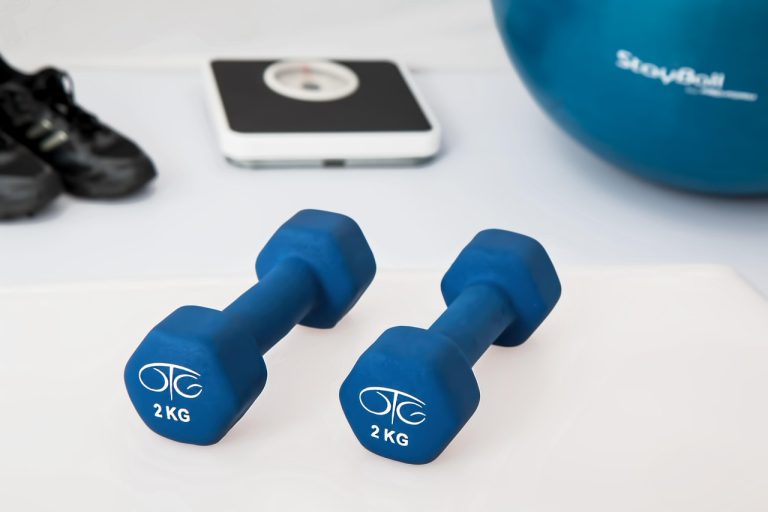
Ready to ditch the gym intimidation and embrace fitness that fits seamlessly into your life? You don’t need fancy equipment or hours of dedicated time to achieve a healthier, stronger you. Simple workouts, when performed consistently, can deliver incredible results. This guide breaks down how to build a routine that’s both effective and sustainable, empowering you to prioritize your well-being without sacrificing precious time or resources. Let’s dive in!
The Power of Simple Workouts
Simple workouts aren’t about being easy; they’re about being efficient and accessible. They prioritize fundamental movements that build strength, improve cardiovascular health, and boost overall well-being. By focusing on core exercises and minimizing complexity, you drastically increase the likelihood of sticking to your fitness goals. Research shows that consistency trumps intensity when it comes to long-term fitness success. A simple, sustainable routine you can stick with is far more beneficial than sporadic, intense workouts.
Benefits of Simple Workouts
- Increased Consistency: Easier workouts are easier to commit to.
- Reduced Risk of Injury: Fundamental movements are less likely to cause strain.
- Improved Cardiovascular Health: Even short bursts of activity elevate your heart rate.
- Enhanced Strength and Endurance: Regular exercise builds muscle and stamina.
- Better Mental Well-being: Exercise releases endorphins, improving mood and reducing stress.
- Accessibility: Can be done anywhere, anytime, with minimal equipment.
Understanding Core Movements
The key to effective simple workouts lies in focusing on compound exercises. These movements engage multiple muscle groups simultaneously, maximizing your workout’s impact. Examples include:
- Squats: Targets quads, glutes, and hamstrings.
- Push-ups: Works chest, shoulders, and triceps.
- Plank: Engages core, shoulders, and glutes.
- Lunges: Builds leg strength and improves balance.
- Rows (using bodyweight or resistance bands): Strengthens back muscles.
Creating Your Simple Workout Routine
Building a sustainable workout routine requires careful consideration of your fitness level, goals, and schedule. Start slow, gradually increasing the intensity and duration as you get stronger. Remember, consistency is key.
Assessing Your Fitness Level
Before starting any new exercise program, it’s essential to assess your current fitness level. This will help you tailor your workouts to your abilities and avoid injury.
- Perform a simple self-assessment: Try a few bodyweight exercises (squats, push-ups, lunges) to see how many repetitions you can comfortably perform with good form.
- Listen to your body: Pay attention to any pain or discomfort.
- Consider consulting with a healthcare professional or certified trainer: If you have any underlying health conditions.
Structuring Your Weekly Schedule
- Aim for at least 150 minutes of moderate-intensity aerobic activity or 75 minutes of vigorous-intensity activity per week: As recommended by the World Health Organization.
- Break it down into manageable chunks: Even 10-15 minute workouts can be effective.
- Schedule your workouts like any other important appointment: Treat them as non-negotiable.
- Include rest days: Allowing your body to recover is crucial for muscle growth and injury prevention.
Sample Workout Plans
Here are a few sample workout plans to get you started:
Day 1: Squats (3 sets of 10-12 reps), Push-ups (3 sets of as many reps as possible), Plank (3 sets of 30-60 seconds)
Day 2: Rest or light activity (walking, stretching)
Day 3: Lunges (3 sets of 10-12 reps per leg), Rows (using resistance band or bodyweight – 3 sets of 10-12 reps), Bird Dog (3 sets of 10-12 reps per side)
Day 4: Rest or light activity
Day 5: Repeat Day 1
Day 6: Rest or light activity
* Day 7: Repeat Day 3
- Intermediate (4-5 days/week): Increase reps, sets, or add weights. Incorporate variations like jump squats, incline push-ups, or single-leg deadlifts.
- Advanced (5-7 days/week): Add more challenging exercises, increase workout duration, and incorporate high-intensity interval training (HIIT).
Maximizing Your Workout Efficiency
Getting the most out of your simple workouts involves focusing on proper form, progressively overloading your muscles, and incorporating variety.
Proper Form is Paramount
- Watch videos and read articles to learn the correct form for each exercise.
- Use a mirror to check your alignment during your workouts.
- Start with fewer reps and sets, focusing on perfect form, before increasing the intensity.
- Consider recording yourself to analyze your form and identify areas for improvement.
Progressive Overload
Progressive overload is the principle of gradually increasing the demands on your muscles over time. This is essential for continued strength gains and muscle growth.
- Increase the weight: Use dumbbells, resistance bands, or heavier objects around the house (water bottles, books).
- Increase the reps: Perform more repetitions of each exercise.
- Increase the sets: Add more sets to your workout.
- Decrease rest time: Reduce the amount of rest between sets.
- Increase the difficulty: Try variations of the exercises, such as incline push-ups or single-leg squats.
Incorporating Variety
While consistency is important, it’s also crucial to incorporate variety into your workouts to prevent plateaus and keep things interesting.
- Change up your exercises: Introduce new movements that target different muscle groups.
- Adjust your rep ranges and sets: Experiment with different training styles, such as high-rep endurance training or low-rep strength training.
- Modify your workout environment: Try working out outdoors or in a different room.
- Introduce new equipment: Consider adding resistance bands, dumbbells, or a stability ball to your routine.
Overcoming Challenges and Staying Motivated
Maintaining a consistent workout routine can be challenging, especially when life gets busy. Here are some strategies for overcoming common obstacles and staying motivated.
Time Management Tips
- Schedule your workouts in advance: Treat them as non-negotiable appointments.
- Break your workouts into smaller chunks: Even 10-15 minute sessions can be effective.
- Combine your workout with other activities: Listen to podcasts or audiobooks while you exercise.
- Workout at home: Eliminate travel time and gym fees.
- Involve family or friends: Working out together can make it more fun and motivating.
Dealing with Soreness and Fatigue
- Warm up before each workout: Prepare your muscles for exercise.
- Cool down after each workout: Gradually decrease your heart rate and stretch your muscles.
- Stay hydrated: Drink plenty of water throughout the day.
- Get enough sleep: Aim for 7-8 hours of sleep per night.
- Use Epsom salt baths: Soothe sore muscles.
- Consider active recovery: Light activities like walking or yoga can help reduce soreness.
Finding Your Motivation
- Set realistic goals: Start small and gradually increase your goals as you progress.
- Track your progress: Monitor your weight, measurements, and strength gains.
- Reward yourself: Celebrate your achievements with non-food rewards, such as a new workout outfit or a massage.
- Find a workout buddy: Working out with a friend can provide support and accountability.
- Listen to motivating music: Create a playlist that gets you pumped up.
Conclusion
Embracing simple workouts is a powerful step towards a healthier, more active lifestyle. By focusing on core movements, building a sustainable routine, and staying motivated, you can achieve your fitness goals without overwhelming your schedule or breaking the bank. Remember, consistency is key, and even small amounts of exercise can make a big difference in your overall well-being. So, start today, and discover the incredible benefits of simple workouts!