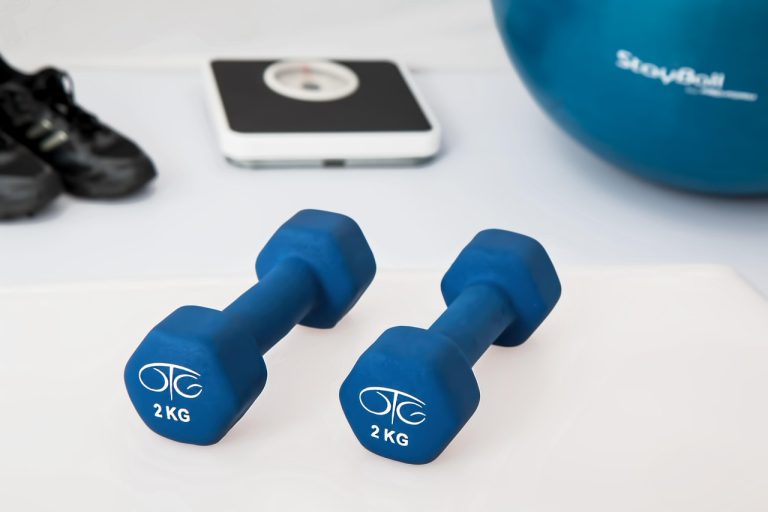
Stepping into a fitness routine doesn’t always require intense gym sessions or grueling workouts. Often, the most sustainable and beneficial changes come from incorporating gentle, light exercises into your daily life. Whether you’re recovering from an injury, new to exercise, or simply looking to add movement to your day, light exercises offer a wealth of benefits without putting excessive strain on your body. Let’s explore the world of light exercises and discover how they can improve your overall health and well-being.
The Benefits of Light Exercise
Light exercise encompasses activities that require minimal exertion but provide significant health benefits. Incorporating these activities into your routine can positively impact various aspects of your physical and mental health.
Improved Cardiovascular Health
Even low-impact activities contribute to a healthier heart.
- Reduced risk of heart disease: Light exercises help lower blood pressure and cholesterol levels, key factors in preventing heart-related issues. Studies show that even moderate physical activity can reduce the risk of heart disease by 30-40%.
- Enhanced circulation: Light movements stimulate blood flow throughout the body, improving oxygen delivery to tissues and organs.
- Examples: Brisk walking, leisurely cycling, and swimming are excellent choices for cardiovascular health.
Enhanced Mental Well-being
Physical activity releases endorphins, which have mood-boosting effects.
- Stress reduction: Light exercise helps lower cortisol levels, reducing stress and anxiety. A study published in the Journal of Health Psychology found that even 20 minutes of walking can significantly decrease stress levels.
- Improved mood: The release of endorphins during exercise can elevate your mood and create a sense of well-being.
- Better sleep: Regular physical activity can improve sleep quality and help regulate sleep patterns.
- Examples: Yoga, tai chi, and gardening are particularly effective for promoting relaxation and mental clarity.
Increased Flexibility and Mobility
Light exercises can help maintain joint flexibility and improve range of motion.
- Reduced stiffness: Gentle stretching and movements can alleviate stiffness and discomfort in joints.
- Improved posture: Strengthening core muscles through light exercise helps maintain proper posture and alignment.
- Enhanced balance: Exercises that challenge balance can reduce the risk of falls, especially in older adults.
- Examples: Simple stretching routines, yoga, and Pilates can enhance flexibility and mobility.
Types of Light Exercises
The best light exercises are those that you enjoy and can consistently incorporate into your daily routine. Here are some examples to get you started:
Walking
Walking is one of the simplest and most accessible forms of light exercise.
- Brisk Walking: Aim for a pace where you can still hold a conversation but feel slightly out of breath.
- Nature Walks: Enjoy the benefits of fresh air and scenic surroundings while getting your steps in.
- Walking Meetings: Incorporate movement into your workday by holding meetings while walking.
- Practical Tip: Start with short walks and gradually increase the duration and intensity as you build stamina.
Yoga and Pilates
These exercises focus on flexibility, strength, and balance.
- Yoga: Choose gentle styles like Hatha or Restorative yoga. Focus on mindful movements and breathing.
- Pilates: Opt for beginner-level classes that emphasize core strength and controlled movements.
- Benefits: Improved posture, reduced back pain, and increased body awareness.
- Practical Tip: Look for online classes or studio sessions tailored to beginners.
Stretching
Regular stretching can improve flexibility and reduce muscle tension.
- Static Stretches: Hold each stretch for 20-30 seconds, focusing on deep breathing.
- Dynamic Stretches: Perform controlled movements through your full range of motion.
- Examples: Arm circles, leg swings, and torso twists are effective dynamic stretches.
- Practical Tip: Incorporate stretching into your morning routine or after light exercise.
Swimming
Swimming is a low-impact exercise that’s gentle on the joints.
- Benefits: Full-body workout, improved cardiovascular health, and increased muscle strength.
- Styles: Freestyle, backstroke, and breaststroke are all effective options.
- Water Aerobics: A fun and social way to get a low-impact workout in the pool.
- Practical Tip: Start with short sessions and gradually increase the duration and intensity as you become more comfortable.
Incorporating Light Exercise into Your Daily Routine
Making light exercise a habit requires planning and consistency.
Setting Realistic Goals
- Start Small: Begin with 10-15 minutes of light exercise per day and gradually increase the duration as you feel comfortable.
- Be Consistent: Aim for regular exercise, even if it’s just a short walk or stretching session.
- Track Your Progress: Use a fitness tracker or journal to monitor your activity levels and stay motivated.
Finding Activities You Enjoy
- Experiment: Try different types of light exercise to find activities that you genuinely enjoy.
- Socialize: Exercise with a friend or family member to make it more enjoyable and stay accountable.
- Make it Convenient: Choose activities that fit easily into your daily routine, such as walking during your lunch break or stretching while watching TV.
Creating a Supportive Environment
- Prepare Your Space: Set up a dedicated space for exercise at home, with necessary equipment like a yoga mat or resistance bands.
- Wear Comfortable Clothing: Choose clothing and shoes that allow you to move freely and comfortably.
- Stay Hydrated: Drink plenty of water before, during, and after exercise.
Precautions and Considerations
While light exercise is generally safe, it’s essential to take certain precautions.
Consult Your Doctor
- If you have any underlying health conditions: Talk to your doctor before starting a new exercise program.
- If you experience pain or discomfort: Stop exercising and seek medical advice.
Listen to Your Body
- Pay attention to your body’s signals: Rest when you feel tired or sore.
- Avoid pushing yourself too hard: Gradually increase the intensity and duration of your workouts.
Proper Form and Technique
- Learn proper form: Ensure you’re performing exercises correctly to avoid injuries.
- Consider working with a trainer: If you’re new to exercise, a trainer can provide guidance and support.
Conclusion
Light exercise is a powerful tool for improving your overall health and well-being. By incorporating these gentle activities into your daily routine, you can boost your cardiovascular health, enhance your mental well-being, increase your flexibility and mobility, and enjoy a more active and fulfilling life. Remember to start slowly, listen to your body, and find activities that you enjoy. With consistency and dedication, light exercise can become a sustainable and rewarding part of your lifestyle.