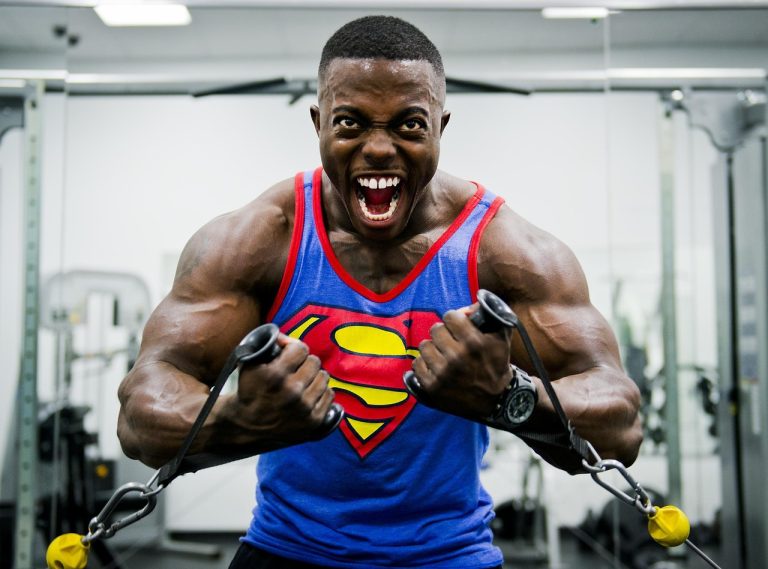
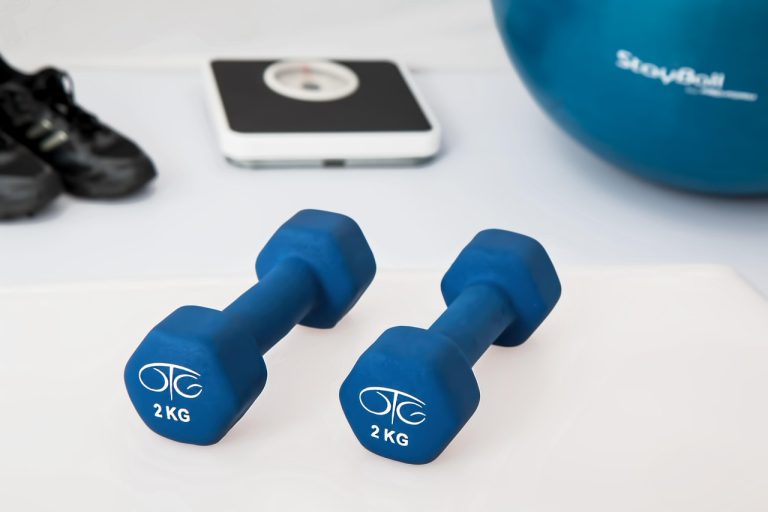
Embarking on a fitness journey can feel daunting, but it doesn’t have to be. This comprehensive fitness starter guide provides all the essential information you need to build a solid foundation for a healthier and more active lifestyle. We’ll break down the key components of fitness, from setting realistic goals and choosing the right workouts to understanding nutrition and staying motivated. So, whether you’re a complete beginner or simply looking to revamp your current routine, let’s get started!
Setting Realistic Fitness Goals
One of the most crucial steps in starting a fitness journey is setting achievable goals. Without clear objectives, it’s easy to lose motivation and give up. Avoid vague aspirations like “get in shape.” Instead, focus on SMART goals: Specific, Measurable, Achievable, Relevant, and Time-bound.
Defining Your Objectives
- Specific: What exactly do you want to achieve? Instead of “lose weight,” try “lose 10 pounds.”
- Measurable: How will you track your progress? Use a scale, measuring tape, or performance metrics (e.g., running faster).
- Achievable: Are your goals realistic given your current fitness level and lifestyle? Start small and gradually increase intensity.
- Relevant: Does this goal align with your overall health and wellness objectives?
- Time-bound: When do you want to achieve this goal? Set a deadline (e.g., “lose 10 pounds in 2 months”).
- Example: A SMART goal could be “I will walk for 30 minutes, 3 times a week, for the next month.”
Benefits of Goal Setting
- Provides direction and focus
- Increases motivation and commitment
- Offers a sense of accomplishment upon reaching milestones
- Helps track progress and make necessary adjustments
- Boosts self-confidence
Tracking Your Progress
- Fitness trackers: Use devices like Fitbit or Apple Watch to monitor steps, heart rate, and activity levels.
- Workout logs: Keep a journal of your workouts, noting exercises, sets, reps, and weights.
- Progress photos: Take photos of yourself regularly to visually track changes in your body composition.
- Body measurements: Measure your waist, hips, and other areas to monitor changes in size.
Creating a Workout Plan
A well-rounded workout plan should incorporate different types of exercises to improve overall fitness. Aim for a combination of cardiovascular exercise, strength training, and flexibility training.
Cardiovascular Exercise (Cardio)
Cardio improves heart health, burns calories, and boosts endurance.
Walking: A low-impact option perfect for beginners. Start with brisk walks and gradually increase the distance and intensity. Aim for at least 30 minutes most days of the week.
Running: A more intense cardio workout that can significantly improve fitness levels. Start with a run/walk interval and gradually increase running time.
Cycling: A great low-impact option that works the legs and cardiovascular system. Indoor cycling classes (like Peloton) or outdoor rides are both effective.
Swimming: A full-body workout that’s gentle on the joints.
Dancing: A fun and engaging way to get your heart rate up.
Strength Training
Strength training builds muscle mass, increases metabolism, and improves bone density.
Squats: Targets the legs and glutes.
Push-ups: Works the chest, shoulders, and triceps. Start on your knees if needed.
Lunges: Improves leg strength and balance.
Plank: Strengthens the core.
Crunches: Works the abdominal muscles (but remember core work is more than just crunches).
Dumbbells: Versatile for a wide range of exercises.
Barbells: Allows for heavier lifting and greater strength gains.
Resistance bands: Portable and effective for various exercises.
- Example Beginner Strength Training Routine (2-3 times per week):
- Squats: 3 sets of 10-12 reps
- Push-ups (on knees or toes): 3 sets of as many reps as possible (AMRAP)
- Lunges: 3 sets of 10-12 reps per leg
- Plank: 3 sets, holding for 30-60 seconds
Flexibility and Mobility
Flexibility exercises improve range of motion, reduce the risk of injury, and enhance overall performance.
- Stretching: Hold each stretch for 30 seconds, focusing on major muscle groups.
Hamstring stretch: Sitting with legs extended, reach for your toes.
Quadriceps stretch: Standing, grab your foot and pull it towards your glutes.
Shoulder stretch: Reach one arm across your body and gently pull it towards you with the other arm.
* Calf stretch: Lean against a wall with one leg extended behind you, keeping your heel on the ground.
- Yoga: A holistic practice that combines stretching, strength training, and mindfulness.
- Foam rolling: A form of self-massage that helps release muscle tension and improve flexibility.
Understanding Nutrition
Nutrition plays a vital role in achieving fitness goals. Focus on eating a balanced diet that provides the necessary nutrients for energy, recovery, and overall health.
Macronutrients
- Protein: Essential for muscle building and repair. Aim for 0.8-1 gram of protein per pound of body weight. Good sources include lean meats, poultry, fish, eggs, beans, and tofu.
- Carbohydrates: Provide energy for workouts and daily activities. Choose complex carbohydrates like whole grains, fruits, and vegetables.
- Fats: Important for hormone production and overall health. Opt for healthy fats like avocados, nuts, seeds, and olive oil.
Hydration
- Drink plenty of water throughout the day to stay hydrated.
- Aim for at least 8 glasses of water per day, and more when exercising.
Healthy Eating Habits
- Eat whole, unprocessed foods: Focus on fruits, vegetables, lean proteins, and whole grains.
- Limit processed foods, sugary drinks, and unhealthy fats: These can hinder progress and negatively impact health.
- Portion control: Be mindful of portion sizes to avoid overeating.
- Meal prepping: Prepare meals in advance to make healthy eating easier.
Staying Motivated and Consistent
Maintaining motivation and consistency is key to long-term success.
Finding Activities You Enjoy
- Experiment with different types of exercises to find activities you genuinely enjoy.
- This will make it easier to stick to your workout routine.
Building a Support System
- Find a workout buddy or join a fitness community for support and accountability.
- Sharing your goals with others can help you stay motivated.
Rewarding Yourself
- Celebrate your achievements with non-food rewards, such as a new workout outfit or a relaxing massage.
Dealing with Setbacks
- Don’t get discouraged by occasional setbacks.
- It’s normal to miss workouts or slip up with your diet from time to time.
- Just get back on track as soon as possible.
Listening to Your Body and Preventing Injuries
Paying attention to your body’s signals and taking steps to prevent injuries is crucial for a safe and effective fitness journey.
Proper Form
- Ensure you are using proper form when performing exercises.
- If unsure, consult with a certified personal trainer or watch instructional videos.
Warm-up and Cool-down
- Always warm up before each workout to prepare your muscles for activity.
- Cool down afterward to gradually lower your heart rate and promote recovery.
Rest and Recovery
- Allow your body adequate rest and recovery time between workouts.
- Aim for 7-8 hours of sleep per night.
Recognizing Pain
- Pay attention to any pain or discomfort you experience during exercise.
- Stop immediately if you feel sharp or persistent pain.
- Consult with a healthcare professional if you have any concerns.
Conclusion
Starting a fitness journey requires commitment and consistency, but the rewards are well worth the effort. By setting realistic goals, creating a balanced workout plan, understanding nutrition, staying motivated, and prioritizing safety, you can achieve your fitness aspirations and improve your overall health and well-being. Remember to start slow, listen to your body, and enjoy the process!