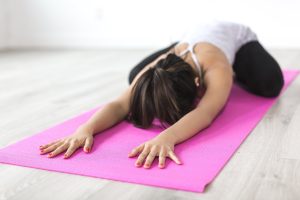
Ready to transform your living room into a personal powerhouse? You don’t need a gym membership to achieve a stronger, healthier you. A well-structured home strength plan can be incredibly effective, offering convenience, cost savings, and the freedom to workout on your own schedule. This guide will walk you through creating a tailored home strength training program that fits your goals and lifestyle.
Benefits of a Home Strength Training Plan
Convenience and Flexibility
- Time Savings: No commute to the gym means more time for your workout or other activities.
- Schedule Freedom: Exercise whenever it suits you, without being constrained by gym hours.
- Accessibility: Work out regardless of weather conditions or travel restrictions.
Cost-Effectiveness
- No Gym Fees: Eliminate monthly membership costs and save hundreds (or even thousands) of dollars per year.
- Minimal Equipment Costs: Start with bodyweight exercises and gradually invest in affordable equipment as you progress.
- Long-Term Savings: Healthier lifestyle can lead to reduced healthcare costs in the future.
Privacy and Comfort
- No Intimidation: Exercise in a comfortable and familiar environment, free from judgment or pressure.
- Personalized Space: Customize your workout area to suit your preferences and needs.
- Focused Workouts: Minimize distractions and maximize concentration on your exercises.
Designing Your Home Strength Training Program
Assessing Your Fitness Level and Goals
- Beginner: If you’re new to strength training, start with basic bodyweight exercises like squats, push-ups, and lunges. Focus on mastering proper form before adding resistance. Goal: Improve overall strength and fitness levels, build a solid foundation.
- Intermediate: If you have some experience with strength training, incorporate dumbbells, resistance bands, or kettlebells. Goal: Increase muscle mass and strength, enhance definition, and improve endurance.
- Advanced: If you’re an experienced lifter, consider investing in heavier weights, a pull-up bar, or a weight bench. Goal: Maximize strength gains, improve athletic performance, and achieve specific physique goals.
Example Goal Setting:
“I want to be able to do 10 consecutive push-ups.” (Beginner)
“I want to increase my squat weight by 20 pounds in 8 weeks.” (Intermediate)
“I want to improve my vertical jump by 3 inches in 12 weeks.” (Advanced)
Selecting Effective Exercises
- Compound Exercises: These work multiple muscle groups simultaneously and are highly efficient. Examples include:
Squats
Deadlifts (with dumbbells or kettlebells)
Push-ups
Lunges
Rows (with dumbbells or resistance bands)
Overhead Press (with dumbbells)
- Isolation Exercises: These target specific muscles for focused development. Examples include:
Bicep curls
Tricep extensions
Calf raises
Lateral raises
Hamstring curls (with resistance bands)
Sample Beginner Workout:
Squats: 3 sets of 10-12 reps
Push-ups: 3 sets to failure
Lunges: 3 sets of 10-12 reps per leg
Plank: 3 sets, hold for 30-60 seconds
Structuring Your Weekly Routine
- Frequency: Aim for 2-3 strength training sessions per week, allowing for rest and recovery days in between.
- Splits: Consider dividing your workouts based on muscle groups (e.g., upper body/lower body, push/pull/legs).
- Progression: Gradually increase the weight, reps, or sets as you get stronger.
- Rest: Allow adequate rest between sets (60-90 seconds) and workouts (24-48 hours).
Example Weekly Routine (Intermediate – Full Body):
Monday: Workout A (Squats, Bench Press, Rows)
Wednesday: Workout B (Deadlifts, Overhead Press, Pull-ups)
* Friday: Workout A (repeat)
Essential Home Strength Training Equipment
Bodyweight Training
- Pros: Requires no equipment, can be done anywhere, ideal for beginners.
- Cons: Limited resistance, may become too easy over time.
- Exercises: Squats, push-ups, lunges, planks, burpees, mountain climbers.
Resistance Bands
- Pros: Affordable, portable, versatile, suitable for all fitness levels.
- Cons: Can be challenging to progress resistance, may break or wear out over time.
- Exercises: Banded squats, bicep curls, tricep extensions, lateral raises, rows.
Dumbbells
- Pros: Allow for progressive overload, offer a wide range of exercise options, effective for building muscle.
- Cons: Can be expensive, require storage space, may require a significant investment.
- Exercises: Dumbbell squats, bench press, rows, overhead press, lunges, bicep curls.
Kettlebells
- Pros: Versatile, promote functional strength, improve coordination and balance, great for explosive movements.
- Cons: Can be challenging to learn proper technique, may require guidance from a qualified trainer.
- Exercises: Kettlebell swings, goblet squats, Turkish get-ups, cleans, snatches.
Other Helpful Equipment
- Pull-up bar: For upper body strength, particularly back and biceps.
- Weight bench: For chest and back exercises.
- Yoga mat: For comfort and support during floor exercises.
Maintaining Motivation and Consistency
Set Realistic Goals
- Achievable Targets: Break down your long-term goals into smaller, manageable steps.
- Track Progress: Monitor your workouts and measure your results to stay motivated.
- Celebrate Successes: Acknowledge and reward yourself for reaching milestones.
Find a Workout Buddy (Even Virtually)
- Accountability: Having someone to workout with can help you stay on track.
- Motivation: Sharing your goals and progress with a friend can provide support and encouragement.
- Fun: Working out with a buddy can make exercise more enjoyable.
Create a Routine
- Scheduled Workouts: Plan your workouts in advance and treat them like important appointments.
- Consistency: Stick to your routine as much as possible, even when you’re feeling unmotivated.
- Adaptability: Be flexible and adjust your routine as needed to accommodate your schedule and needs.
Make It Enjoyable
- Choose Activities You Like: Focus on exercises that you find fun and engaging.
- Listen to Music or Podcasts: Create a playlist or find a podcast to keep you entertained during your workouts.
- Variety: Mix up your routine to prevent boredom and challenge your body in new ways.
Conclusion
Creating a successful home strength plan is about understanding your fitness level, setting realistic goals, and choosing exercises that you enjoy. By incorporating the strategies outlined in this guide, you can build a sustainable and effective workout routine that fits seamlessly into your lifestyle. Remember to prioritize proper form, listen to your body, and celebrate your progress along the way. Your journey to a stronger, healthier you starts at home!