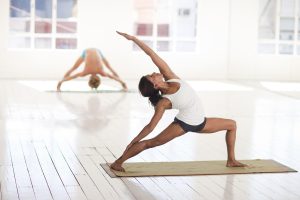
Crafting the perfect home workout space is an investment in your well-being. More than just a room, it’s a personalized sanctuary designed to empower you on your fitness journey. From maximizing space to choosing the right equipment and fostering a motivating atmosphere, creating a home workout haven can transform your approach to exercise. This comprehensive guide will walk you through the key elements of designing an effective and enjoyable home workout space.
Assessing Your Needs and Space
Before diving into equipment and decor, understanding your fitness goals and available space is crucial. A clear understanding of these aspects will guide your design choices and ensure the end result meets your specific requirements.
Defining Your Fitness Goals
- Identify your priorities: Are you focused on cardio, strength training, flexibility, or a combination?
- Consider your favorite activities: What types of workouts do you genuinely enjoy and are likely to stick with? (e.g., yoga, HIIT, weightlifting, dancing)
- Set realistic objectives: Establishing achievable goals will help you stay motivated and track progress. For instance, “increase strength by 20%” or “improve cardiovascular health by running 3 times a week”.
- Example: If your goal is primarily cardio, you might prioritize a treadmill or stationary bike. Strength training enthusiasts might focus on weights and a sturdy bench.
Evaluating Your Available Space
- Measure the area: Accurately measure the dimensions of your designated space.
- Consider ceiling height: Ensure adequate headroom for exercises like jumping jacks or overhead presses. Low ceilings can limit exercise options.
- Assess floor type: A hard, level surface is ideal for most workouts. Consider adding mats or rubber flooring for impact absorption and to protect your floors.
- Think about ventilation and natural light: Good airflow and natural light can significantly enhance your workout experience. Consider a room with windows or a ventilation system.
- Example: A small apartment might only accommodate a yoga mat, resistance bands, and a set of dumbbells, while a larger basement could house a full weight rack and cardio machines.
Selecting the Right Equipment
Choosing the right equipment is vital for an effective and enjoyable home workout. The optimal choices depend on your fitness goals, space limitations, and budget.
Essential Equipment for a Basic Home Gym
- Yoga mat: Essential for floor exercises, stretching, and yoga.
- Resistance bands: Versatile and space-saving for strength training. Different resistance levels offer varied challenges.
- Adjustable dumbbells: Provide a wide range of weight options in a compact package. Adjustable dumbbells are a great space-saving alternative to a full rack.
- Jump rope: An excellent cardio tool that requires minimal space.
- Foam roller: For muscle recovery and flexibility.
Advanced Equipment Options
- Treadmill or elliptical: For dedicated cardio workouts, consider these machines if space allows.
- Weight bench: Enhances strength training exercises with proper support.
- Pull-up bar: A great tool for upper body strength. Can be mounted in a doorway or on a wall.
- Kettlebells: A dynamic strength training tool for full-body workouts.
- Weight rack/Power rack: For serious weightlifters, providing a safe and effective platform for heavy lifting.
Space-Saving Solutions
- Foldable treadmill: Can be easily stored when not in use.
- Resistance band sets: Occupy very little space compared to weights.
- Wall-mounted storage: Utilize vertical space for equipment storage.
- Multi-functional equipment: Consider machines that combine different exercises (e.g., a cable machine that can be used for rows, lat pulldowns, and bicep curls).
Creating a Motivating Environment
The atmosphere of your home workout space plays a significant role in your motivation and adherence to your fitness routine. A well-designed environment can transform your workout from a chore into an enjoyable experience.
Optimizing Lighting and Sound
- Natural light: Maximize natural light to boost mood and energy levels.
- Artificial lighting: Use bright, adjustable lighting for evening workouts. Consider LED lights with adjustable brightness.
- Sound system: Invest in a good quality sound system or Bluetooth speaker to play motivating music.
- Noise-canceling headphones: Useful for focusing during workouts, especially in shared living spaces.
Incorporating Visual Elements
- Mirrors: Essential for checking form and technique, especially during weightlifting. A full-length mirror can also make the space feel larger.
- Motivational posters or artwork: Display inspiring images or quotes to keep you motivated.
- Vision board: Create a visual representation of your fitness goals.
- Color scheme: Choose colors that evoke energy and positivity, such as blues, greens, or yellows.
Organizing and Personalizing the Space
- Storage solutions: Implement storage solutions like shelves, bins, or racks to keep equipment organized and easily accessible.
- Personal touches: Add personal items that make you feel comfortable and motivated, such as plants, photos, or souvenirs.
- Designated workout zone: Clearly define the workout area with mats or rugs. This helps mentally separate the workout space from other areas of the home.
- Temperature control: Ensure the room is well-ventilated and at a comfortable temperature for exercise.
Safety Considerations
Prioritizing safety is crucial to prevent injuries and ensure a positive workout experience.
Flooring and Padding
- Non-slip flooring: Choose flooring that provides good traction to prevent slips and falls.
- Rubber mats: Use rubber mats to cushion impact and protect floors, especially during weightlifting.
- Padding for joints: Consider using extra padding under joints during floor exercises to minimize discomfort.
Proper Equipment Setup and Maintenance
- Read and follow equipment manuals: Ensure you understand how to properly set up and use each piece of equipment.
- Regular equipment maintenance: Inspect equipment regularly for wear and tear and perform necessary maintenance.
- Secure weight racks: Properly anchor weight racks to the wall or floor to prevent tipping.
- Clearance space: Ensure adequate clearance around equipment to prevent accidents.
First Aid and Emergency Preparedness
- First aid kit: Keep a well-stocked first aid kit readily available.
- Emergency contact information: Have emergency contact information easily accessible.
- Learn basic first aid: Consider taking a first aid course to be prepared for minor injuries.
- Stay hydrated: Keep a water bottle nearby to stay hydrated throughout your workout.
Conclusion
Designing a home workout space is a personal and rewarding process. By carefully assessing your needs, selecting the right equipment, creating a motivating environment, and prioritizing safety, you can create a space that empowers you to achieve your fitness goals from the comfort of your own home. Remember that the ideal home gym is one that fits seamlessly into your lifestyle and inspires you to move your body and prioritize your well-being.