Embarking on a home fitness journey can feel overwhelming, especially for beginners. Where do you start? What equipment do you need? How do you stay motivated? The good news is that getting started with home fitness doesn’t require a fancy gym membership or expensive equipment. With the right approach, a little planning, and dedication, you can create a sustainable and effective fitness routine right in the comfort of your own home. This guide will break down the essential steps for home fitness beginners, helping you build a solid foundation for a healthier and more active lifestyle.
Setting Up Your Home Fitness Space
The beauty of home fitness is its adaptability. You don’t need a dedicated gym; you just need a space that works for you.
Choosing the Right Location
- Dedicated Area: Ideally, designate a specific area for your workouts. This helps mentally separate your exercise time from other activities. It could be a spare room, a corner of your living room, or even a section of your garage.
- Enough Space: Ensure you have enough room to move freely. Consider the exercises you plan to do (e.g., yoga, jumping jacks, strength training) and ensure you have adequate space for them. A general rule of thumb is to have enough space to lie down comfortably and extend your arms and legs without hitting anything.
- Proper Ventilation and Lighting: A well-ventilated and well-lit space is crucial. Fresh air and natural light can significantly improve your mood and energy levels during workouts. Open a window or use a fan to circulate air.
Gathering Essential Equipment
You don’t need to break the bank to equip your home gym. Start with the basics and gradually add more equipment as you progress.
- Yoga Mat: A yoga mat provides cushioning and grip for floor exercises like planks, push-ups, and stretching.
- Resistance Bands: These are versatile and affordable, offering varying levels of resistance for strength training exercises. They are also excellent for travel.
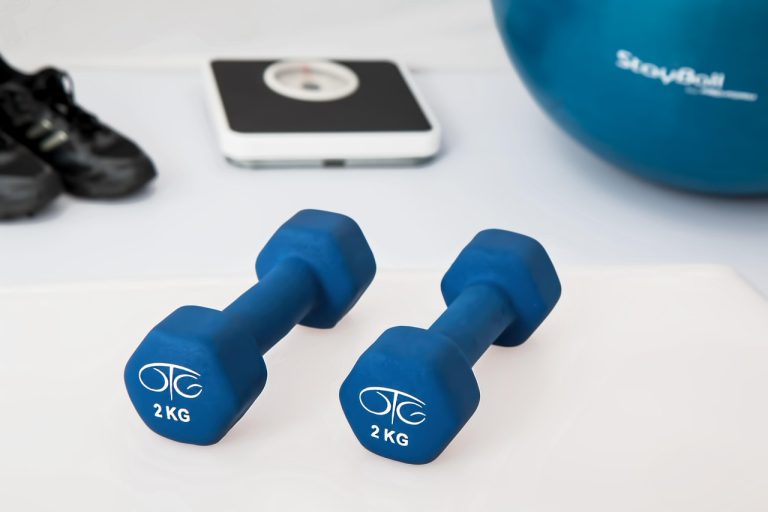
- Dumbbells: Start with a light set of dumbbells (2-5 lbs) and gradually increase the weight as you get stronger. Adjustable dumbbells are a great space-saving option.
- Comfortable Workout Clothes and Shoes: Wear clothes that allow you to move freely and shoes that provide good support and cushioning.
Creating a Beginner-Friendly Workout Plan
Consistency is key when starting any fitness routine. Begin with a manageable plan and gradually increase the intensity and duration of your workouts.
Types of Exercises to Include
- Cardio: Activities that elevate your heart rate, such as brisk walking, jogging in place, jumping jacks, or dancing. Aim for at least 150 minutes of moderate-intensity cardio or 75 minutes of vigorous-intensity cardio per week.
Example: 30 minutes of brisk walking five times a week.
- Strength Training: Exercises that build muscle strength and endurance, such as squats, push-ups, lunges, and rows. Target all major muscle groups (legs, back, chest, shoulders, arms, and core) at least two days a week.
Example: Bodyweight squats (3 sets of 10-12 reps), push-ups (3 sets of as many reps as possible), lunges (3 sets of 10-12 reps per leg).
- Flexibility and Stretching: Exercises that improve your range of motion and prevent injuries, such as yoga, Pilates, or static stretching. Incorporate stretching into your routine after each workout or as a separate session.
Example:* Hold each stretch for 30 seconds, focusing on major muscle groups.
Sample Weekly Workout Schedule
Here’s a sample schedule to get you started. Remember to listen to your body and adjust it as needed.
- Monday: Cardio (30 minutes of brisk walking)
- Tuesday: Strength Training (Bodyweight exercises)
- Wednesday: Rest or Active Recovery (light stretching or a leisurely walk)
- Thursday: Cardio (30 minutes of dancing or jogging in place)
- Friday: Strength Training (Bodyweight exercises)
- Saturday: Rest or Yoga (30-minute yoga session)
- Sunday: Rest
Warm-up and Cool-down
Never skip your warm-up and cool-down!
- Warm-up: Prepare your body for exercise by increasing blood flow and loosening your muscles. Examples include arm circles, leg swings, and light cardio. A good warm-up should last for 5-10 minutes.
- Cool-down: Gradually lower your heart rate and stretch your muscles after exercise. This helps prevent soreness and improves flexibility. A good cool-down should last for 5-10 minutes and include static stretches, holding each stretch for 30 seconds.
Staying Motivated and Consistent
Motivation can fluctuate, so it’s important to develop strategies to stay on track.
Setting Realistic Goals
- SMART Goals: Set Specific, Measurable, Achievable, Relevant, and Time-bound goals. For example, “I will walk for 30 minutes three times a week for the next month.”
- Progressive Overload: Gradually increase the intensity, duration, or frequency of your workouts as you get stronger. This will help you continue to challenge yourself and see results.
Tracking Your Progress
- Workout Journal: Keep a record of your workouts, including the exercises you did, the number of sets and reps, and how you felt.
- Fitness Apps: Use fitness apps to track your workouts, monitor your progress, and set reminders. There are many free and paid apps available for both iOS and Android. Some examples include MyFitnessPal, Strava, and Nike Training Club.
Finding an Accountability Partner
- Workout Buddy: Exercise with a friend, family member, or online community. Having someone to hold you accountable can significantly increase your motivation and adherence to your workout plan.
- Online Communities: Join online fitness communities for support, encouragement, and inspiration.
Nutrition for Home Fitness Beginners
Exercise is only one piece of the puzzle. Proper nutrition is equally important for achieving your fitness goals.
Fueling Your Body
- Balanced Diet: Focus on eating a balanced diet rich in fruits, vegetables, lean protein, and whole grains.
- Hydration: Drink plenty of water throughout the day, especially before, during, and after your workouts.
- Pre- and Post-Workout Meals: Eat a light meal or snack before your workout to provide energy and help prevent fatigue. After your workout, consume a combination of protein and carbohydrates to replenish your glycogen stores and promote muscle recovery. Examples include a banana with peanut butter or a protein shake.
Avoiding Common Pitfalls
- Processed Foods: Limit your intake of processed foods, sugary drinks, and unhealthy fats.
- Skipping Meals: Don’t skip meals, especially breakfast. Eating regular meals helps regulate your blood sugar levels and prevents overeating later in the day.
- Crash Diets: Avoid crash diets, as they are unsustainable and can lead to nutrient deficiencies and muscle loss.
Conclusion
Starting a home fitness routine can be a rewarding experience that improves your physical and mental well-being. By setting up a dedicated workout space, creating a beginner-friendly workout plan, staying motivated, and focusing on proper nutrition, you can achieve your fitness goals from the comfort of your own home. Remember to be patient, consistent, and listen to your body. Start slowly, gradually increase the intensity and duration of your workouts, and celebrate your progress along the way. Home fitness is a journey, not a destination. Enjoy the process and embrace a healthier and more active lifestyle!