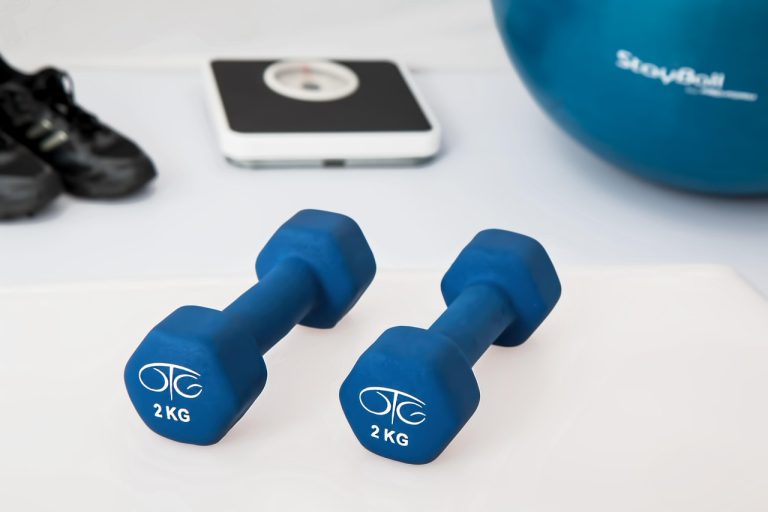
Embarking on a fitness journey is an exciting and empowering decision! The world of fitness can seem overwhelming at first, with countless workout routines, dietary advice, and specialized equipment. But don’t let the complexity intimidate you. This guide is designed to provide you with a clear, actionable roadmap for starting your fitness journey, ensuring a safe, effective, and enjoyable experience.
Getting Started: Your Fitness Foundation
Embarking on any new journey requires planning and preparation. Your fitness journey is no different! Laying a solid foundation will dramatically increase your chances of success and help you avoid common pitfalls.
Assess Your Current Fitness Level
Before diving into intense workouts, understand your starting point. A basic self-assessment is crucial. Consider these aspects:
- Cardiovascular Endurance: How easily do you get winded walking or climbing stairs?
- Strength: Can you comfortably lift everyday objects? How many push-ups (even modified) can you do?
- Flexibility: How easily can you touch your toes? Are there any areas of stiffness or limited range of motion?
- Body Composition: Consider your weight, height, and body fat percentage (if possible). A simple body mass index (BMI) calculation can provide a starting point.
- Practical Example: Try walking a mile and timing yourself. Note how you feel during and after the walk. Similarly, see how many bodyweight squats or push-ups you can perform with good form before fatigue.
Setting Realistic Goals
Goal setting is essential for motivation and tracking progress. However, unrealistic goals can lead to discouragement and burnout.
- SMART Goals: Apply the SMART framework:
Specific: “Lose 10 pounds” is better than “lose weight.”
Measurable: Track your weight, repetitions, or workout duration.
Achievable: Set goals that are challenging but attainable.
Relevant: Align your goals with your overall fitness aspirations.
Time-Bound: Set a deadline for achieving your goals.
- Practical Example: Instead of aiming to run a marathon in a month, start with a goal of running a 5k in three months, gradually increasing your distance and pace.
Consulting with Professionals
A professional’s guidance can be invaluable, especially if you have pre-existing health conditions.
- Doctor: A physical exam can identify potential limitations or risks. Discuss your fitness plans and get personalized recommendations.
- Certified Personal Trainer: A trainer can create a customized workout plan based on your goals, fitness level, and any physical limitations. They can also teach proper form, reducing the risk of injury.
- Registered Dietitian: Nutritional guidance is crucial for fueling your workouts and achieving your fitness goals. A dietitian can help you develop a healthy and balanced eating plan.
Designing Your Workout Routine
Consistency is key to achieving fitness goals. A well-structured workout routine will help you stay motivated and make progress.
Choosing Activities You Enjoy
Fitness should be enjoyable! Choose activities that you find fun and engaging to increase adherence.
- Variety: Experiment with different types of exercise to prevent boredom and work different muscle groups.
- Group Classes: Consider group fitness classes like Zumba, spinning, or yoga for a social and motivating environment.
- Outdoor Activities: Hiking, biking, swimming, and kayaking offer a great way to get exercise while enjoying the outdoors.
- Practical Example: If you hate running on a treadmill, try cycling, swimming, or playing a sport like basketball or tennis.
Balancing Cardio, Strength Training, and Flexibility
A well-rounded fitness routine should incorporate three key elements:
- Cardiovascular Exercise: Improves heart health and endurance. Aim for at least 150 minutes of moderate-intensity or 75 minutes of vigorous-intensity aerobic activity per week, as recommended by the American Heart Association. Examples include:
Walking
Running
Cycling
Swimming
- Strength Training: Builds muscle mass, strengthens bones, and boosts metabolism. Include exercises that work all major muscle groups (legs, back, chest, shoulders, arms, and core) at least two days per week. Examples include:
Bodyweight exercises (squats, push-ups, lunges)
Weightlifting (dumbbells, barbells, machines)
Resistance bands
- Flexibility Training: Improves range of motion, reduces muscle soreness, and prevents injuries. Include stretching exercises after each workout and consider dedicated flexibility sessions like yoga or Pilates. Examples include:
Static stretches (holding a stretch for 30 seconds)
Dynamic stretches (moving through a range of motion)
Sample Weekly Workout Schedule
Here’s a sample schedule for a beginner:
- Monday: Strength Training (Full Body)
- Tuesday: Cardio (30-minute brisk walk or cycling)
- Wednesday: Rest or Active Recovery (light stretching or yoga)
- Thursday: Strength Training (Full Body)
- Friday: Cardio (30-minute swim or dance class)
- Saturday: Long walk or hike
- Sunday: Rest
Remember to adjust this schedule based on your fitness level and preferences.
Nutrition for Fitness Beginners
Exercise and nutrition go hand-in-hand. Proper nutrition fuels your workouts, aids recovery, and helps you achieve your fitness goals.
Understanding Basic Nutrition Principles
Focus on whole, unprocessed foods and prioritize these macronutrients:
- Protein: Essential for muscle repair and growth. Aim for 0.8 grams of protein per kilogram of body weight per day. Good sources include lean meats, poultry, fish, eggs, beans, and lentils.
- Carbohydrates: Provide energy for your workouts. Choose complex carbohydrates like whole grains, fruits, and vegetables over simple sugars.
- Fats: Important for hormone production and overall health. Choose healthy fats like those found in avocados, nuts, seeds, and olive oil.
Hydration
Staying hydrated is crucial for performance and recovery.
- Water: Drink plenty of water throughout the day, especially before, during, and after workouts.
- Electrolytes: During intense workouts or in hot weather, consider replenishing electrolytes with sports drinks or electrolyte tablets.
Meal Timing
When you eat can be as important as what you eat.
- Pre-Workout: Consume a light, easily digestible meal or snack 1-2 hours before your workout. Examples include a banana with peanut butter or a small bowl of oatmeal.
- Post-Workout: Replenish glycogen stores and repair muscle tissue with a combination of protein and carbohydrates within 30-60 minutes after your workout. Examples include a protein shake with fruit or a chicken breast with brown rice.
Staying Motivated and Avoiding Burnout
Maintaining motivation and preventing burnout are crucial for long-term success.
Tracking Your Progress
Monitoring your progress can be a powerful motivator.
- Journaling: Keep a fitness journal to track your workouts, nutrition, and overall progress.
- Photos: Take progress photos to visually track your changes.
- Fitness Apps: Use fitness apps to track your workouts, calories, and sleep.
Finding an Accountability Partner
Having someone to share your fitness journey with can provide support and motivation.
- Friend: Workout with a friend or family member.
- Trainer: Hire a personal trainer for guidance and accountability.
- Online Community: Join an online fitness community for support and encouragement.
Listening to Your Body
Rest and recovery are just as important as exercise.
- Rest Days: Schedule regular rest days to allow your body to recover.
- Sleep: Aim for 7-9 hours of sleep per night.
- Listen to Your Body:* Don’t push yourself too hard, especially when you’re just starting out. Take breaks when you need them and adjust your workouts as needed.
Conclusion
Starting a fitness journey is a transformative experience, but it requires patience, persistence, and a well-structured approach. By assessing your current fitness level, setting realistic goals, designing a balanced workout routine, and prioritizing proper nutrition and recovery, you can achieve your fitness aspirations and enjoy a healthier, more active lifestyle. Remember to listen to your body, stay motivated, and celebrate your progress along the way. The journey may be challenging, but the rewards are well worth the effort!