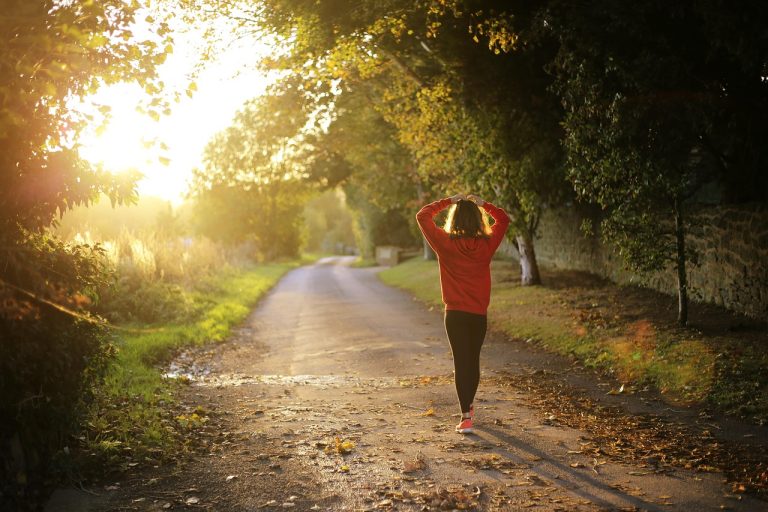
Unleash your body’s full potential and rediscover the power of movement through natural fitness. Ditch the overly structured gym routines and embrace a holistic approach that connects you with nature and your own inherent abilities. This guide explores the principles of natural fitness, offering practical tips and insights to help you achieve sustainable well-being and a stronger, more resilient body.
Understanding Natural Fitness
What is Natural Fitness?
Natural fitness emphasizes functional movements performed in natural environments, mimicking activities our ancestors engaged in daily. It focuses on building overall strength, endurance, flexibility, and coordination without relying heavily on specialized equipment or isolated exercises. Think less about sculpted muscles and more about a capable, adaptable body ready for anything.
The Core Principles
- Functional Movement: Exercises mimic real-life movements, such as lifting, carrying, pushing, pulling, squatting, and climbing.
- Bodyweight Training: Utilizing your own body weight as resistance is a cornerstone of natural fitness, promoting strength and stability.
- Outdoor Activities: Engaging in physical activity in natural environments offers numerous physical and mental health benefits.
- Varied Training: Incorporating a diverse range of activities prevents plateaus and promotes well-rounded fitness.
- Mind-Body Connection: Paying attention to your body’s signals and moving with intention enhances effectiveness and reduces injury risk.
Benefits of Natural Fitness
- Improved Functional Strength: Enhanced ability to perform everyday tasks with ease.
- Increased Endurance: Greater stamina for sustained physical activity.
- Enhanced Flexibility and Mobility: Improved range of motion and reduced risk of injury.
- Better Balance and Coordination: Enhanced stability and agility.
- Reduced Stress and Improved Mood: Connection with nature has proven psychological benefits. Studies show spending time in green spaces lowers cortisol levels.
- Sustainable Fitness: Building habits that are enjoyable and easily integrated into daily life.
Designing Your Natural Fitness Routine
Assessing Your Current Fitness Level
Before starting any new fitness program, it’s crucial to assess your current fitness level. Consider your strengths, weaknesses, and any pre-existing injuries or limitations. A simple self-assessment could include:
- Cardiovascular Fitness: How easily can you walk or jog for 30 minutes?
- Strength: How many push-ups or squats can you perform with good form?
- Flexibility: How easily can you touch your toes or perform basic stretches?
- Balance: Can you stand on one leg for 30 seconds without wobbling?
Sample Natural Fitness Exercises
Squats: Develop lower body strength and mobility.
Push-ups: Strengthen chest, shoulders, and triceps.
Pull-ups (or assisted pull-ups): Build upper body strength.
Lunges: Improve leg strength and balance.
Plank: Strengthen core muscles.
Hiking: Excellent cardiovascular workout and strengthens leg muscles.
Trail Running: Improves cardiovascular fitness and coordination.
Swimming: Full-body workout with low impact.
Rock Climbing: Builds strength, endurance, and problem-solving skills.
Kayaking/Canoeing: Upper body and core workout.
Log Jumps: Improve agility and coordination.
Hill Sprints: Develop explosive power and cardiovascular fitness.
* Crawling under obstacles: Enhances core strength and mobility.
Creating a Weekly Schedule
A balanced natural fitness routine should incorporate a mix of strength training, cardiovascular exercise, and flexibility work. A sample weekly schedule could look like this:
- Monday: Bodyweight Strength Training (Squats, Push-ups, Lunges)
- Tuesday: Hiking or Trail Running
- Wednesday: Rest or Active Recovery (Yoga, Stretching)
- Thursday: Bodyweight Strength Training (Pull-ups, Plank, Dips)
- Friday: Swimming or Rock Climbing
- Saturday: Long Hike or Outdoor Adventure
- Sunday: Rest
The Role of Nutrition in Natural Fitness
Fueling Your Body Naturally
Proper nutrition is essential for supporting your natural fitness efforts. Focus on consuming whole, unprocessed foods that provide the nutrients your body needs to thrive.
- Prioritize Whole Foods: Fruits, vegetables, lean protein sources, and whole grains should form the foundation of your diet.
- Limit Processed Foods: Minimize consumption of sugary drinks, processed snacks, and refined carbohydrates.
- Stay Hydrated: Drink plenty of water throughout the day to support optimal performance and recovery.
Meal Planning for Natural Fitness
- Breakfast: Oatmeal with berries and nuts, or a smoothie with protein powder and leafy greens.
- Lunch: Salad with grilled chicken or fish, or a whole-wheat wrap with hummus and vegetables.
- Dinner: Baked salmon with roasted vegetables, or a lentil soup with whole-grain bread.
- Snacks: Fruits, nuts, seeds, or yogurt.
Supplementation Considerations
While a balanced diet should provide most of the nutrients you need, certain supplements may be beneficial for supporting your natural fitness goals. Always consult with a healthcare professional before starting any new supplement regimen.
- Vitamin D: Important for bone health and immune function, especially for those who spend limited time outdoors.
- Omega-3 Fatty Acids: Support heart health and reduce inflammation.
- Protein Powder: Can be helpful for meeting protein needs, especially after intense workouts.
Staying Motivated and Consistent
Setting Realistic Goals
Setting achievable goals is crucial for staying motivated and consistent with your natural fitness routine. Start with small, manageable steps and gradually increase the intensity and duration of your workouts.
- Focus on Progress, Not Perfection: Celebrate small victories and don’t get discouraged by setbacks.
- Track Your Progress: Keep a journal or use a fitness app to monitor your workouts and track your progress over time.
- Find a Workout Buddy: Exercising with a friend or family member can provide accountability and support.
Finding Enjoyable Activities
The key to long-term success is finding activities that you genuinely enjoy. Experiment with different types of exercises and outdoor activities until you discover what works best for you.
- Turn exercise into play: Instead of dreading your workouts, think of them as opportunities to explore, have fun, and connect with nature.
- Join a group: Local hiking clubs, running groups, or rock climbing gyms can provide a sense of community and support.
- Vary Your Routine: Prevent boredom by mixing up your workouts and trying new activities.
Overcoming Challenges
- Listen to Your Body: Rest when you need to and don’t push yourself too hard, especially when starting out.
- Manage Your Time: Schedule your workouts in advance and make them a priority.
- Stay Positive: Focus on the benefits of natural fitness and celebrate your achievements along the way.
Conclusion
Natural fitness is more than just a workout; it’s a lifestyle. By embracing functional movements, connecting with nature, and nourishing your body with whole foods, you can unlock your full potential and achieve sustainable well-being. Start small, be consistent, and enjoy the journey towards a stronger, healthier, and more resilient you.