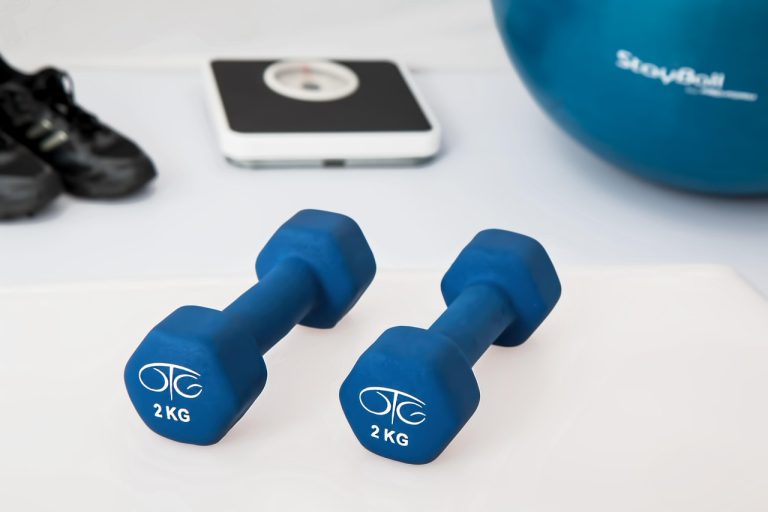
Slow and steady wins the race – a mantra perfectly applicable to achieving lasting fitness. Forget the crash diets and grueling workouts promising instant results. A gradual approach to fitness is not only more sustainable but also kinder to your body and mind, paving the way for long-term health and well-being. This guide will walk you through the process of building a fitness routine slowly and effectively, setting you up for success without the burnout.
Understanding the Benefits of Gradual Fitness
Reduced Risk of Injury
- Starting slow minimizes the risk of injuries like sprains, strains, and even more severe conditions. Overexertion, especially when your body isn’t used to a certain activity, can lead to setbacks that halt your progress. A gradual approach allows your muscles, tendons, and ligaments to adapt to new demands. For example, instead of attempting a 5k run on your first day, start with brisk walking for 20-30 minutes and gradually increase the distance and intensity.
Increased Adherence and Motivation
- Let’s face it, diving headfirst into an intense fitness regime is often a recipe for demotivation and failure. A slow and steady approach is more manageable and less intimidating. You’re more likely to stick to a routine that feels achievable and doesn’t leave you feeling completely drained.
- Example: Rather than committing to five gym sessions a week, start with two or three shorter sessions. Celebrate small victories along the way, such as successfully adding 5 minutes to your jog or lifting slightly heavier weights.
Improved Long-Term Sustainability
- Quick fixes rarely last. A gradual approach to fitness fosters sustainable habits. It allows you to integrate exercise seamlessly into your lifestyle, rather than feeling like a temporary chore. This consistency is key for maintaining your fitness gains in the long run. Think about it: a 15-minute walk every day is more effective than a single 2-hour gym session once a month.
Enhanced Mental Well-being
- Fitness is not just about physical health; it also has a profound impact on your mental well-being. A gradual approach can help reduce stress, improve mood, and boost self-esteem. Avoiding overexertion prevents burnout and keeps your fitness journey enjoyable.
- Tip: Incorporate activities you genuinely enjoy, such as dancing, swimming, or hiking. This will make exercise feel less like a task and more like a reward.
Setting Realistic Goals
Assessing Your Current Fitness Level
- Before embarking on any fitness journey, it’s crucial to understand your starting point. Consider your current activity level, physical limitations, and any underlying health conditions. This self-assessment will help you set realistic and achievable goals.
- Example: If you’re mostly sedentary, start with simple activities like walking or light stretching. If you have any health concerns, consult with your doctor before starting a new exercise program.
Defining SMART Goals
- SMART goals are Specific, Measurable, Achievable, Relevant, and Time-bound. Applying this framework ensures that your goals are well-defined and attainable.
Specific: Instead of “get in shape,” aim for “lose 5 pounds.”
Measurable: Track your progress using a fitness tracker, journal, or scale.
Achievable: Set realistic expectations based on your current fitness level.
Relevant: Choose goals that align with your overall health and well-being.
Time-bound: Set a deadline for achieving your goals, such as “lose 5 pounds in 2 months.”
Breaking Down Large Goals into Smaller Steps
- Large goals can feel overwhelming. Break them down into smaller, more manageable steps. This approach makes the process less daunting and allows you to celebrate small victories along the way.
- Example: If your goal is to run a marathon, start by running shorter distances and gradually increase the mileage each week.
Building a Gradual Exercise Routine
Starting with Low-Impact Activities
- Low-impact exercises are gentle on your joints and muscles, making them ideal for beginners or those with joint pain. Examples include:
Walking
Swimming
Cycling
Yoga
Pilates
Gradually Increasing Intensity and Duration
- Once you’re comfortable with low-impact activities, gradually increase the intensity and duration of your workouts.
Walking: Increase your walking speed or try adding hills.
Swimming: Increase the number of laps or try different swimming strokes.
* Cycling: Increase the distance or try cycling uphill.
- The 10% Rule: A general guideline is to increase your training volume by no more than 10% per week. This helps prevent injuries and allows your body to adapt to the increased demands.
Incorporating Strength Training
- Strength training is essential for building muscle mass, improving bone density, and boosting your metabolism. Start with bodyweight exercises or light weights and gradually increase the resistance as you get stronger.
- Example: Begin with exercises like squats, push-ups, lunges, and planks. As you get stronger, you can add weights or resistance bands. Focus on proper form to prevent injuries.
Nutrition and Recovery
Fueling Your Body with Healthy Foods
- Nutrition plays a crucial role in your fitness journey. Focus on eating a balanced diet rich in fruits, vegetables, lean proteins, and whole grains. Avoid processed foods, sugary drinks, and excessive amounts of unhealthy fats.
- Tip: Prepare your meals in advance to avoid making unhealthy choices when you’re short on time.
Prioritizing Sleep and Rest
- Sleep and rest are essential for muscle recovery and overall health. Aim for 7-9 hours of quality sleep each night. Allow your body adequate rest between workouts to prevent overtraining and injuries.
- Active Recovery: Incorporate active recovery days into your routine, such as light stretching or walking, to promote blood flow and reduce muscle soreness.
Staying Hydrated
- Water is crucial for optimal performance and recovery. Drink plenty of water throughout the day, especially before, during, and after workouts.
- Tip: Carry a water bottle with you and sip on it throughout the day.
Tracking Progress and Staying Motivated
Using a Fitness Tracker or Journal
- Tracking your progress can help you stay motivated and see how far you’ve come. Use a fitness tracker, journal, or app to record your workouts, diet, and sleep patterns.
- Example: Track your walking distance, running time, weight lifted, or the number of repetitions you perform.
Celebrating Milestones
- Acknowledge and celebrate your achievements, no matter how small. This will help you stay motivated and maintain a positive attitude.
- Example: Reward yourself with a healthy treat, a new workout outfit, or a relaxing massage after reaching a significant milestone.
Finding a Support System
- Having a support system can make a big difference in your fitness journey. Enlist the help of friends, family members, or a personal trainer to keep you accountable and motivated.
- Tip: Join a fitness group or online community to connect with like-minded individuals and share your experiences.
Conclusion
Embarking on a fitness journey is a marathon, not a sprint. By embracing a gradual approach, you increase your chances of achieving long-term success and enjoying a healthier, more active lifestyle. Remember to set realistic goals, build your routine slowly, prioritize nutrition and recovery, and track your progress to stay motivated. With patience and consistency, you can transform your health and well-being, one step at a time.