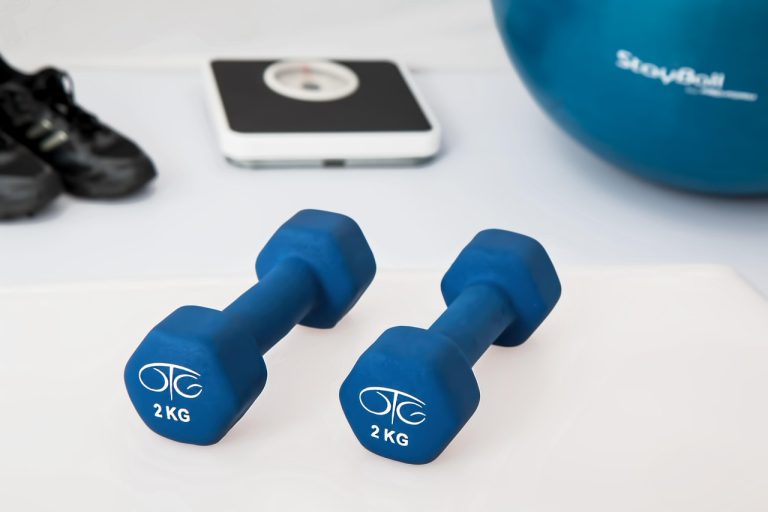
Working out can seem daunting, especially with the sheer volume of information available. Where do you start? What exercises are best? How often should you train? This guide provides a comprehensive, step-by-step approach to help you create an effective workout routine tailored to your individual needs and goals, whether you’re aiming to lose weight, build muscle, or simply improve your overall health. We’ll cover everything from setting realistic goals and understanding different workout types to proper form and injury prevention, giving you the knowledge and confidence to embark on your fitness journey.
Defining Your Fitness Goals
Why Setting Goals is Crucial
Before you even consider stepping foot in a gym or lacing up your running shoes, defining your fitness goals is paramount. Without clear objectives, your workouts can become aimless and demotivating. Goals provide direction, track progress, and keep you accountable.
- Increased Motivation: Having a specific goal in mind, like running a 5k or losing 10 pounds, fuels your motivation.
- Improved Focus: Goals help you prioritize your training and choose exercises that align with your objectives.
- Trackable Progress: Measurable goals allow you to monitor your improvements and make adjustments as needed.
Examples of Realistic Fitness Goals
When setting goals, remember to make them SMART: Specific, Measurable, Achievable, Relevant, and Time-bound. Here are some examples:
- Weight Loss: “Lose 1-2 pounds per week for the next 12 weeks.”
- Muscle Gain: “Increase my bench press by 10 pounds in 8 weeks.”
- Improved Endurance: “Run a 5k in under 30 minutes within 6 months.”
- Overall Fitness: “Workout 3 times a week for 30 minutes each session, focusing on both cardio and strength training.”
Assessing Your Current Fitness Level
Understanding your current fitness level is essential for setting realistic goals and preventing injuries. Consider these factors:
- Cardiovascular Health: Can you comfortably walk or jog for 30 minutes?
- Strength: How many push-ups or squats can you perform with proper form?
- Flexibility: Can you touch your toes or perform basic stretches without discomfort?
If you’re unsure, consult with a healthcare professional or certified fitness trainer for a comprehensive assessment.
Understanding Different Types of Workouts
Cardiovascular Training (Cardio)
Cardio workouts are excellent for improving heart health, burning calories, and boosting endurance. They involve activities that elevate your heart rate and breathing.
- Examples: Running, cycling, swimming, brisk walking, dancing, HIIT (High-Intensity Interval Training).
- Benefits:
Improved cardiovascular health
Weight loss
Increased energy levels
Reduced risk of chronic diseases (e.g., heart disease, diabetes)
- Practical Tip: Start with shorter sessions and gradually increase the duration and intensity as you get fitter.
Strength Training (Resistance Training)
Strength training involves using resistance to build muscle mass and strength. It’s crucial for overall health and well-being.
- Examples: Lifting weights (dumbbells, barbells), using resistance bands, bodyweight exercises (push-ups, squats, lunges).
- Benefits:
Increased muscle mass and strength
Improved bone density
Enhanced metabolism
Better posture
- Practical Tip: Focus on proper form over lifting heavy weights. Start with lighter weights and gradually increase the load as you get stronger.
Flexibility and Mobility Training
Flexibility and mobility training enhance your range of motion, prevent injuries, and improve overall physical function.
- Examples: Stretching, yoga, Pilates, foam rolling.
- Benefits:
Improved range of motion
Reduced muscle soreness and stiffness
Lower risk of injuries
Better posture and balance
- Practical Tip: Incorporate stretching into your warm-up and cool-down routines. Hold each stretch for 20-30 seconds.
Creating Your Workout Plan
Structuring Your Weekly Routine
A well-structured workout plan balances different types of exercises and allows for adequate rest and recovery. Here’s a sample weekly routine:
- Monday: Strength Training (Upper Body)
- Tuesday: Cardio (30-45 minutes of running or cycling)
- Wednesday: Rest or Active Recovery (light stretching or yoga)
- Thursday: Strength Training (Lower Body)
- Friday: Cardio (HIIT session)
- Saturday: Rest or Outdoor Activity (hiking, swimming)
- Sunday: Rest
Sample Beginner Workout
This is a basic full-body workout suitable for beginners. Perform each exercise for 3 sets of 10-12 repetitions with a 60-second rest between sets.
- Squats: Stand with feet shoulder-width apart, lower your hips as if sitting in a chair.
- Push-ups: Start in a plank position, lower your chest towards the ground, and push back up. (Modify on your knees if needed).
- Dumbbell Rows: Bend at the waist, supporting yourself with one hand, and pull a dumbbell towards your chest.
- Plank: Hold a plank position, engaging your core, for 30-60 seconds.
- Walking Lunges: Step forward with one leg, lowering your hips until both knees are bent at 90 degrees.
Progressing Your Workouts Over Time
To continue seeing results, it’s crucial to progressively overload your muscles. This means gradually increasing the intensity, duration, or volume of your workouts.
- Increase Weight: Lift heavier weights as you get stronger.
- Increase Repetitions: Perform more repetitions with the same weight.
- Increase Sets: Add more sets to your workout.
- Reduce Rest Time: Shorten the rest periods between sets.
- Change Exercises: Introduce new exercises to challenge your muscles in different ways.
Proper Form and Injury Prevention
The Importance of Correct Form
Using proper form is essential for maximizing results and minimizing the risk of injuries. Incorrect form can lead to strains, sprains, and more serious conditions.
- Focus on Technique: Prioritize proper form over lifting heavy weights or performing many repetitions.
- Use Mirrors: Check your form in a mirror to ensure you’re performing exercises correctly.
- Record Yourself: Record your workouts and review the footage to identify areas for improvement.
- Seek Guidance: Consider working with a certified personal trainer to learn proper form and technique.
Warm-up and Cool-down Routines
Warming up prepares your body for exercise, while cooling down helps it recover.
- Warm-up: Perform 5-10 minutes of light cardio (e.g., jogging, jumping jacks) followed by dynamic stretches (e.g., arm circles, leg swings).
- Cool-down: Perform 5-10 minutes of static stretches (e.g., holding each stretch for 20-30 seconds) to improve flexibility and reduce muscle soreness.
Common Workout Injuries and How to Avoid Them
Being aware of common workout injuries and taking preventative measures can help you stay injury-free.
- Sprains and Strains: Result from overstretching or tearing ligaments or muscles. Use proper form, warm up thoroughly, and avoid overtraining.
- Tendinitis: Inflammation of tendons. Avoid repetitive movements, use proper form, and allow for adequate rest.
- Lower Back Pain: Often caused by poor posture or improper lifting technique. Engage your core muscles, use proper form, and avoid lifting heavy weights with a rounded back.
- Shin Splints: Pain along the shin bone, common in runners. Gradually increase mileage, wear supportive shoes, and stretch your calf muscles.
If you experience any pain or discomfort during your workouts, stop immediately and consult with a healthcare professional.
Nutrition and Recovery
Fueling Your Body for Workouts
Proper nutrition is crucial for providing your body with the energy it needs to perform optimally and recover effectively. Focus on a balanced diet that includes:
- Protein: Essential for muscle repair and growth (e.g., lean meats, poultry, fish, eggs, dairy, beans, lentils). Aim for 0.8-1.0 grams of protein per pound of bodyweight.
- Carbohydrates: Provide energy for workouts (e.g., whole grains, fruits, vegetables). Choose complex carbohydrates over simple sugars.
- Healthy Fats: Important for hormone production and overall health (e.g., avocados, nuts, seeds, olive oil).
- Hydration: Drink plenty of water before, during, and after workouts to stay hydrated.
The Importance of Rest and Recovery
Rest and recovery are just as important as the workouts themselves. They allow your body to repair and rebuild muscle tissue, preventing overtraining and injuries.
- Sleep: Aim for 7-9 hours of quality sleep per night.
- Rest Days: Schedule rest days into your workout routine to allow your body to recover.
- Active Recovery: Engage in light activities like stretching or yoga to promote blood flow and reduce muscle soreness.
Managing Muscle Soreness
Delayed Onset Muscle Soreness (DOMS) is common after intense workouts. Here are some tips for managing muscle soreness:
- Foam Rolling: Use a foam roller to massage sore muscles and improve blood flow.
- Epsom Salt Baths: Soak in a warm bath with Epsom salts to reduce inflammation and muscle soreness.
- Gentle Stretching: Perform light stretches to improve flexibility and reduce stiffness.
- Proper Nutrition: Consume adequate protein and carbohydrates to support muscle recovery.
Conclusion
Starting a workout routine can be a rewarding journey towards better health and fitness. By setting realistic goals, understanding different types of workouts, creating a structured plan, prioritizing proper form, and focusing on nutrition and recovery, you can achieve your fitness aspirations. Remember to listen to your body, be patient, and celebrate your progress along the way. Consistency is key, and with dedication and the right approach, you can transform your health and well-being.