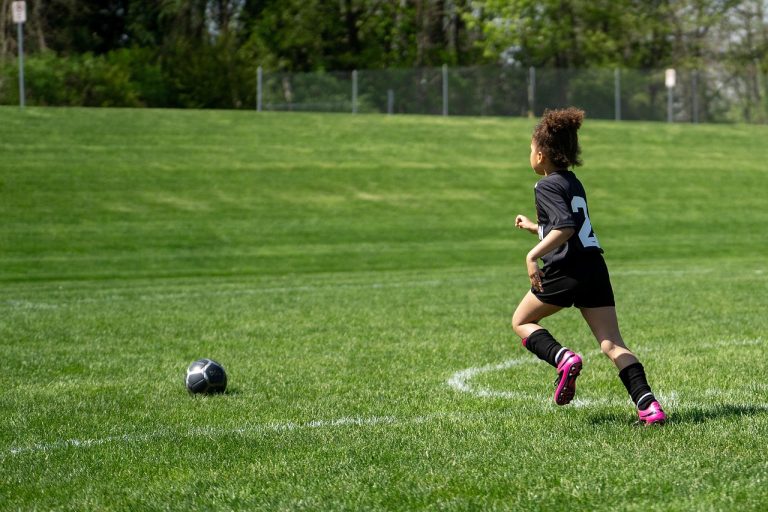
Mastering your body through deliberate muscle control is not just for athletes and performers; it’s a fundamental aspect of everyday movement, coordination, and overall physical health. From the simplest task of picking up a pen to complex athletic feats, precise muscle control plays a crucial role. Improving your muscle control can lead to better balance, increased strength, reduced risk of injury, and enhanced athletic performance. Let’s delve into the science, techniques, and benefits of gaining greater command over your muscles.
Understanding the Science of Muscle Control
The Nervous System’s Role
Muscle control begins in the brain, which sends signals through the nervous system to activate specific muscles. This intricate communication network relies on:
- Motor Cortex: The area of the brain responsible for planning and initiating voluntary movements.
- Spinal Cord: Relays signals between the brain and the muscles.
- Motor Neurons: Nerve cells that transmit signals from the spinal cord to the muscle fibers, causing them to contract.
The efficiency and accuracy of this communication determine the level of muscle control. Factors like practice, repetition, and feedback influence how effectively these neural pathways function.
Types of Muscle Contractions
Muscles can contract in various ways, each requiring different levels of control:
- Concentric: Muscle shortens while generating force (e.g., lifting a weight during a bicep curl).
- Eccentric: Muscle lengthens while generating force (e.g., lowering a weight during a bicep curl). Eccentric contractions are often crucial for deceleration and injury prevention.
- Isometric: Muscle generates force without changing length (e.g., holding a plank).
Mastering each type of contraction is vital for comprehensive muscle control. For example, athletes often focus on eccentric strength training to improve landing mechanics and reduce the risk of ACL injuries.
Proprioception: Your Body’s Awareness
Proprioception is your body’s sense of its position and movement in space. It relies on receptors in muscles, tendons, and joints that provide feedback to the brain. Improving proprioception enhances muscle control and coordination. Activities like:
- Balance training
- Yoga
- Pilates
- Tai Chi
Are excellent for improving this important sense.
Benefits of Enhanced Muscle Control
Improved Physical Performance
Greater muscle control translates directly to enhanced performance in sports and other physical activities. This includes:
- Increased Strength and Power: By activating the right muscles at the right time with optimal force, you can generate more power.
- Improved Agility and Coordination: Precise muscle control allows for quicker, more coordinated movements, improving agility and reaction time.
- Reduced Risk of Injury: Strong, controlled muscles provide stability and support to joints, reducing the likelihood of strains, sprains, and other injuries. According to a study published in the “Journal of Strength and Conditioning Research,” exercises that improve neuromuscular control significantly reduce the risk of lower extremity injuries in athletes.
Better Posture and Balance
Muscle control is essential for maintaining proper posture and balance. Weak or poorly controlled muscles can lead to postural imbalances and increased risk of falls. Strengthening core muscles and improving proprioception can help correct these issues. For example, focusing on engaging your abdominal and back muscles during daily activities like sitting and standing can improve your posture over time.
Enhanced Fine Motor Skills
Fine motor skills, such as writing, typing, and playing musical instruments, require precise control of small muscles. Improving muscle control in the hands and fingers can enhance dexterity and coordination, making these tasks easier and more efficient. Targeted exercises like hand exercises and finger exercises will improve these skills.
Techniques for Developing Muscle Control
Targeted Strength Training
Focusing on specific muscle groups with controlled movements is a fundamental way to improve muscle control. Examples include:
- Resistance Training: Using weights, resistance bands, or bodyweight exercises to strengthen specific muscles. Focus on slow, controlled movements to maximize muscle activation and control.
- Isometric Exercises: Holding a static position to build strength and endurance in specific muscles. Plank exercises, wall sits, and isometric bicep curls are good examples.
- Eccentric Training: Emphasizing the lowering phase of an exercise to build eccentric strength and control. This type of training is particularly effective for injury prevention and rehabilitation.
Neuromuscular Training
Neuromuscular training focuses on improving the communication between the brain and the muscles. This can be achieved through:
- Balance Exercises: Activities like standing on one leg, using a wobble board, or performing balance beam exercises to improve proprioception and stability.
- Plyometrics: Explosive movements like jump squats and box jumps to develop power and coordination. Focus on landing softly and maintaining control throughout the movement.
- Agility Drills: Exercises that involve quick changes in direction and speed, such as cone drills and ladder drills, to improve agility and reaction time.
Mind-Muscle Connection
Developing a strong mind-muscle connection involves consciously focusing on the muscles you are using during exercise. This can be achieved through:
- Visualization: Mentally rehearsing the movement before performing it.
- Tactile Feedback: Using your hands to feel the muscle contracting during exercise.
- Slowing Down the Movement: Performing exercises slowly and deliberately to increase awareness of muscle activation.
Practice and Repetition
Consistent practice is essential for improving muscle control. Repetition helps to reinforce neural pathways and improve the efficiency of muscle activation. Whether you’re learning a new skill or refining an existing one, regular practice is key.
Exercises to Enhance Specific Muscle Control
Core Control Exercises
A strong core is fundamental to overall muscle control. Some effective core exercises include:
- Plank: Holding a straight line from head to heels, engaging the abdominal, back, and gluteal muscles. Focus on maintaining proper form and avoiding sagging in the hips.
- Bird Dog: Starting on your hands and knees, simultaneously extend one arm and the opposite leg while maintaining a neutral spine.
- Dead Bug: Lying on your back with knees bent and arms extended towards the ceiling, lower one arm and the opposite leg towards the floor while keeping your lower back pressed against the floor.
Lower Body Control Exercises
Exercises to improve muscle control in the lower body include:
- Single-Leg Squat: Squatting on one leg while maintaining balance and control.
- Glute Bridges: Lying on your back with knees bent, lift your hips off the floor while squeezing your glutes.
- Lateral Band Walks: Walking sideways with a resistance band around your ankles or knees, keeping your feet shoulder-width apart.
Upper Body Control Exercises
Exercises to enhance muscle control in the upper body include:
- Push-Ups: Performing push-ups with controlled movements, focusing on engaging the chest, shoulders, and triceps.
- Dumbbell Rows: Performing rows with dumbbells, focusing on squeezing the shoulder blades together and maintaining a straight back.
- Bicep Curls: Performing bicep curls with controlled movements, avoiding swinging the weight and focusing on isolating the biceps muscle.
Conclusion
Mastering muscle control is a journey that yields significant rewards. From enhanced athletic performance and reduced risk of injury to improved posture and fine motor skills, the benefits are numerous. By understanding the science behind muscle control and incorporating targeted exercises and training techniques into your routine, you can unlock your body’s full potential and achieve greater command over your movements. Embrace the process, be patient with your progress, and celebrate the small victories along the way. Consistent effort and a focused approach will undoubtedly lead to remarkable improvements in your muscle control and overall physical well-being.