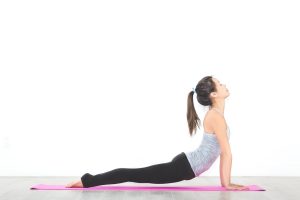
Working out from home has become incredibly popular, offering flexibility and convenience that traditional gyms simply can’t match. But transforming your living room into a fitness studio requires more than just enthusiasm; it demands a structured plan. A well-designed home workout planner can be the key to achieving your fitness goals, keeping you motivated, and ensuring you see real results. This guide provides a comprehensive overview of how to create an effective home workout plan, covering everything from setting realistic goals to tracking your progress.
The Importance of a Home Workout Planner
Why You Need a Plan
Having a workout plan is essential for a multitude of reasons. It’s more than just scribbling down a few exercises. It’s about setting yourself up for success.
- Structure and Consistency: A planner provides a structured framework, making it easier to stick to a regular workout schedule. Consistency is key for seeing results. Without a plan, workouts can become sporadic and ineffective.
- Goal Setting and Tracking: It helps you define specific, measurable, achievable, relevant, and time-bound (SMART) goals. A planner allows you to track your progress, providing motivation and highlighting areas for improvement.
- Prevents Overexertion and Injury: By carefully planning your workouts, you can ensure adequate rest and recovery, reducing the risk of overtraining and injuries. This is crucial, especially when working out independently without a trainer’s guidance.
- Variety and Avoidance of Plateaus: A well-designed plan incorporates variety to challenge different muscle groups and prevent plateaus. Repeating the same routine endlessly can lead to stagnation.
- Time Management: A planner helps you allocate specific time slots for workouts, integrating fitness seamlessly into your daily routine. This is particularly beneficial for individuals with busy schedules.
Statistics on Home Workouts
The rise in popularity of home workouts is undeniable. The COVID-19 pandemic accelerated this trend, but the convenience and accessibility of online fitness programs continue to drive its growth. Here are some key statistics:
- According to a survey by Statista, the global online fitness market is projected to reach $79.3 billion by 2027.
- Research shows that home workouts can be as effective as gym workouts, provided they are properly structured and followed consistently.
- A study published in the Journal of Medical Internet Research found that online exercise programs can improve physical activity levels and health outcomes.
Setting Your Fitness Goals
Defining Your Objectives
Before diving into specific exercises, it’s crucial to define your fitness goals. What do you want to achieve?
- Weight Loss: If your goal is weight loss, focus on a combination of cardio and strength training.
- Muscle Gain: For muscle gain, prioritize strength training with progressive overload (gradually increasing weight or resistance).
- Improved Endurance: If you’re aiming for better endurance, incorporate activities like running, cycling, or swimming.
- General Fitness: For overall fitness, aim for a balanced routine that includes cardio, strength training, flexibility, and balance exercises.
SMART Goals Example
Here’s an example of a SMART goal for weight loss:
- Specific: I want to lose 10 pounds.
- Measurable: I will track my weight weekly using a scale.
- Achievable: I will adjust my diet and exercise routine to create a calorie deficit.
- Relevant: Losing weight will improve my overall health and energy levels.
- Time-bound: I will achieve this goal in 12 weeks.
Designing Your Home Workout Routine
Choosing Exercises
Selecting the right exercises is crucial for an effective home workout routine. Focus on exercises that target multiple muscle groups and require minimal equipment.
- Bodyweight Exercises: These are excellent for beginners and require no equipment. Examples include:
Squats
Push-ups
Lunges
Plank
Burpees
- Resistance Band Exercises: Resistance bands are versatile and affordable, allowing you to add resistance to various exercises.
Bicep curls
Lateral walks
Glute bridges
- Dumbbell Exercises: Dumbbells are a great investment for home workouts, enabling you to perform a wide range of exercises.
Dumbbell rows
Shoulder press
Dumbbell squats
- Cardio: Incorporate cardio exercises to improve cardiovascular health and burn calories.
Jumping jacks
High knees
Running in place
Jump rope
Sample Workout Schedule (Beginner)
Here’s a sample workout schedule for beginners, designed to be performed three times a week with rest days in between:
- Monday: Full Body Workout
Warm-up: 5 minutes of light cardio (e.g., jumping jacks, high knees)
Workout:
Squats: 3 sets of 10-12 reps
Push-ups: 3 sets of as many reps as possible (AMRAP)
Lunges: 3 sets of 10-12 reps per leg
Plank: 3 sets, holding for 30-60 seconds
Cool-down: 5 minutes of stretching
- Wednesday: Cardio and Core
Warm-up: 5 minutes of light cardio
Workout:
Jumping jacks: 3 sets of 30 seconds
Crunches: 3 sets of 15-20 reps
Leg raises: 3 sets of 15-20 reps
Bicycle crunches: 3 sets of 15-20 reps per side
Cool-down: 5 minutes of stretching
- Friday: Full Body Workout (Similar to Monday, but can vary exercises slightly for some variety)
Warm-up: 5 minutes of light cardio
Workout:
Dumbbell squats: 3 sets of 10-12 reps
Dumbbell rows: 3 sets of 10-12 reps per arm
Glute bridges: 3 sets of 15-20 reps
Plank: 3 sets, holding for 30-60 seconds
Cool-down: 5 minutes of stretching
Sample Workout Schedule (Advanced)
For advanced fitness enthusiasts, a more challenging routine is beneficial.
- Incorporate compound movements like deadlifts and overhead presses (with proper form and weight).
- Increase the number of sets and reps.
- Add plyometric exercises for increased power.
- Consider split routines (e.g., targeting specific muscle groups on different days).
Tracking Your Progress and Staying Motivated
Monitoring Your Results
Tracking your progress is essential for staying motivated and making adjustments to your workout plan.
- Weight and Measurements: Record your weight, body measurements (e.g., waist, hips), and body fat percentage regularly.
- Workout Log: Keep a detailed workout log, noting the exercises performed, sets, reps, and weight lifted.
- Progress Photos: Take progress photos to visually track your changes over time.
- Fitness Apps: Utilize fitness apps to track your workouts, monitor your calorie intake, and connect with other fitness enthusiasts.
Staying Motivated
Motivation can fluctuate, so it’s important to implement strategies to stay on track.
- Set Realistic Goals: Start with achievable goals and gradually increase the intensity and duration of your workouts.
- Find a Workout Buddy: Working out with a friend can provide accountability and support.
- Reward Yourself: Celebrate your achievements with non-food rewards, such as new workout gear or a relaxing massage.
- Mix It Up: Avoid monotony by incorporating new exercises and workout routines.
- Listen to Music: Create a workout playlist to boost your energy and motivation.
- Set a Schedule: Consistency is key. Schedule your workouts like any other important appointment.
Avoiding Common Mistakes
Overtraining
Overtraining can lead to fatigue, injuries, and burnout. Avoid overtraining by:
- Allowing adequate rest and recovery between workouts.
- Listening to your body and taking rest days when needed.
- Varying your workout routine to prevent overuse injuries.
Improper Form
Using improper form can increase the risk of injuries and reduce the effectiveness of your workouts.
- Watch videos and learn the proper form for each exercise.
- Start with lighter weights or resistance to master the form.
- Consider working with a certified personal trainer to get personalized guidance.
Lack of Consistency
Inconsistency can hinder your progress and make it difficult to achieve your fitness goals.
- Create a realistic workout schedule and stick to it as closely as possible.
- Find a workout buddy to provide accountability.
- Set reminders and prioritize your workouts.
Conclusion
Creating an effective home workout planner is essential for achieving your fitness goals from the comfort of your own home. By setting realistic goals, designing a varied and challenging workout routine, tracking your progress, and staying motivated, you can transform your living space into a personal fitness studio. Remember to prioritize proper form, avoid overtraining, and stay consistent with your workouts to see the best results. A well-structured home workout plan is not just about physical exercise; it’s about building a sustainable and healthy lifestyle.