Achieving precise and coordinated movements is something we often take for granted. From typing on a keyboard to playing a musical instrument, our ability to control our muscles allows us to interact with the world in countless ways. But what exactly is muscle control, and how can we improve it? This post delves into the fascinating science behind muscle control, exploring its intricacies and offering practical tips to enhance your own movement skills.
Understanding Muscle Control: The Basics
Muscle control is more than just the ability to flex a muscle; it’s a complex interplay between the nervous system and the muscular system. It involves precise signaling, coordination, and feedback loops that allow us to execute movements smoothly and efficiently.
The Neuromuscular Connection
- Brain and Spinal Cord: The journey begins in the brain, where decisions about movement are made. These signals travel down the spinal cord, the information highway of the body.
- Motor Neurons: From the spinal cord, motor neurons transmit electrical impulses to specific muscle fibers. These neurons are the direct communicators to your muscles.
- Neuromuscular Junction: This is where the motor neuron meets the muscle fiber. The neuron releases a neurotransmitter (acetylcholine), which triggers a cascade of events leading to muscle contraction.
Types of Muscle Control
- Voluntary Control: This is the type of muscle control we consciously initiate, such as lifting a weight or walking. It involves the cerebral cortex, the part of the brain responsible for higher-level thinking.
- Involuntary Control: Many muscle actions are automatic and controlled by the brainstem and spinal cord. Examples include breathing, maintaining posture, and reflexes. These actions happen without conscious thought.
- Fine Motor Control: This refers to the precise movements involving small muscle groups, like those in the hands and fingers. Playing a musical instrument or writing are examples.
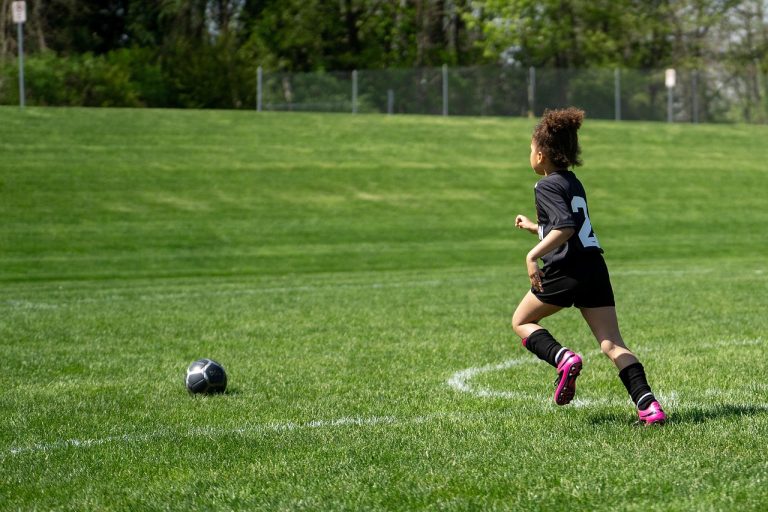
- Gross Motor Control: This involves larger muscle groups and movements, such as running, jumping, and throwing. These are essential for mobility and physical activity.
Factors Affecting Muscle Control
Several factors can influence your level of muscle control. Understanding these factors is key to identifying potential areas for improvement.
Genetics and Development
- Genetic Predisposition: Some individuals may have a natural aptitude for certain movements due to inherited factors.
- Early Development: Muscle control develops gradually from infancy. Milestones like crawling, walking, and grasping objects are crucial for building a foundation of motor skills.
- Nervous System Maturation: The nervous system continues to develop throughout childhood and adolescence, refining the precision and coordination of movements.
Training and Practice
- Skill Acquisition: Consistent practice and training are essential for improving muscle control. The more you practice a specific movement, the more efficient and automatic it becomes.
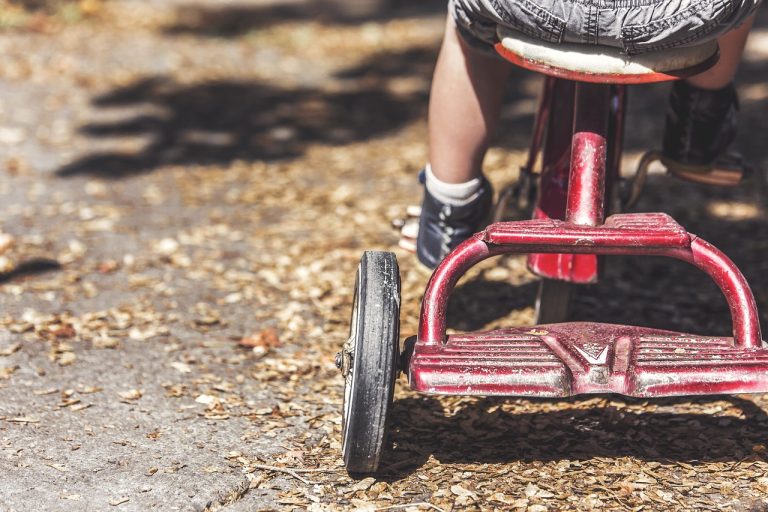
Example: Learning to ride a bicycle requires repeated attempts and adjustments until you develop the balance and coordination necessary.
- Neural Adaptation: As you practice, your brain and nervous system undergo changes that optimize the neural pathways involved in the movement. This is why practice makes perfect.
- Muscle Memory: Repetition leads to the formation of “muscle memory,” where the movement becomes ingrained in your nervous system. This allows you to perform the movement with less conscious effort.
Injury and Disease
- Neurological Conditions: Conditions like stroke, multiple sclerosis, and Parkinson’s disease can impair muscle control by affecting the nervous system.
- Muscle Injuries: Muscle strains, tears, and other injuries can weaken muscles and disrupt their ability to contract properly.
- Nerve Damage: Damage to peripheral nerves can disrupt the communication between the brain and muscles, leading to weakness, numbness, or paralysis.
Improving Your Muscle Control
Fortunately, muscle control can be improved with targeted exercises and training techniques. The key is to focus on precision, coordination, and consistency.
Specific Exercises
- Balance Exercises: Activities like standing on one leg, using a wobble board, or practicing yoga can improve balance and stability, which are essential for muscle control.
Actionable Takeaway: Try standing on one leg for 30 seconds each day, gradually increasing the duration as you improve.
- Coordination Drills: Exercises that require precise coordination between different body parts, such as juggling, playing a musical instrument, or performing tai chi, can enhance muscle control.
- Strength Training: Strengthening exercises can improve muscle strength and endurance, making it easier to control movements.
Example: Squats, lunges, and push-ups are excellent exercises for strengthening major muscle groups.
- Plyometrics: Exercises that involve explosive movements, such as jump squats and box jumps, can improve power and coordination.
- Fine Motor Skill Development: Activities like drawing, knitting, or assembling small objects can enhance fine motor control.
Actionable Takeaway: Dedicate 15-20 minutes a day to practice a skill that requires fine motor control, like drawing or writing.
Training Techniques
- Progressive Overload: Gradually increase the intensity or difficulty of your exercises as you get stronger and more coordinated.
- Mind-Muscle Connection: Focus on consciously contracting the muscles involved in each exercise. This can improve muscle activation and control.
Example: When performing a bicep curl, focus on squeezing your bicep muscle throughout the movement.
- Feedback and Correction: Seek feedback from a qualified coach or trainer to identify areas for improvement and correct any errors in your technique.
- Visualization: Mentally rehearse the movement before performing it physically. This can help improve your coordination and muscle control.
- Slow and Controlled Movements: Practice movements slowly and deliberately to improve your precision and control. As you get more comfortable, you can gradually increase the speed.
The Importance of Core Strength
- A strong core provides a stable base for all movements, improving balance, posture, and overall muscle control. Exercises like planks, bridges, and abdominal crunches can strengthen your core muscles.
The Role of Muscle Control in Everyday Life and Sports
Muscle control plays a crucial role in a wide range of activities, from everyday tasks to athletic performance.
Everyday Activities
- Posture: Proper muscle control is essential for maintaining good posture, which can prevent back pain and improve overall well-being.
- Balance: Muscle control helps us maintain balance and prevent falls, especially as we age.
- Dexterity: Fine motor control is essential for tasks like typing, writing, and using tools.
- Mobility: Muscle control allows us to move efficiently and perform daily activities with ease.
Sports and Athletics
- Performance Enhancement: Precise muscle control is essential for executing complex movements and maximizing athletic performance.
Example: A baseball pitcher needs precise muscle control to throw a ball accurately and with power.
- Injury Prevention: Good muscle control can help prevent injuries by improving stability and reducing the risk of overexertion.
- Coordination: Muscle control is essential for coordinating different body parts and executing movements smoothly and efficiently.
- Reaction Time: Improved muscle control can enhance reaction time, allowing athletes to respond quickly to changing situations.
Conclusion
Muscle control is a fundamental aspect of human movement and performance. By understanding the underlying mechanisms and factors that influence muscle control, you can take steps to improve your own movement skills and overall well-being. Whether you’re an athlete looking to enhance performance or simply someone who wants to improve their dexterity and balance, incorporating targeted exercises and training techniques into your routine can make a significant difference. Remember, consistent practice and a focus on precision are key to unlocking your full potential for muscle control.