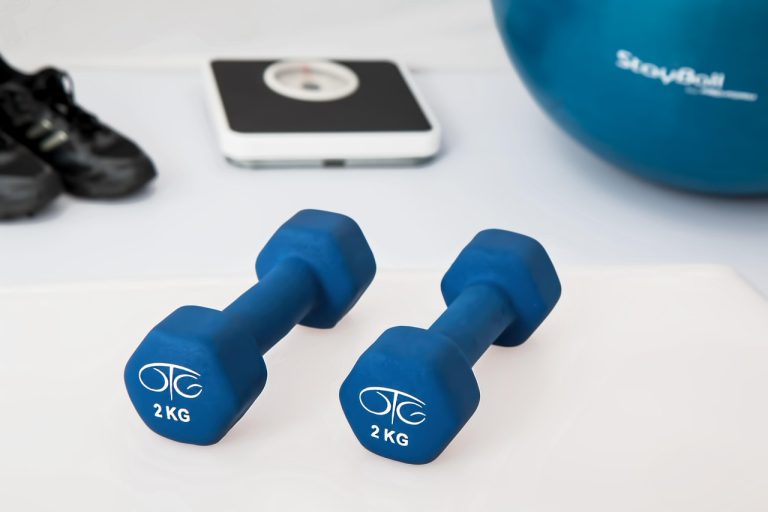
Stepping into the world of fitness can feel like entering a whole new universe filled with unfamiliar terms, intimidating equipment, and a sea of seemingly effortlessly fit individuals. But fear not, newbie! This guide is your comprehensive roadmap to navigating the initial stages of your fitness journey, ensuring you build a solid foundation for a healthy and sustainable lifestyle. We’ll break down everything from setting realistic goals to understanding basic nutrition, making your first steps toward a fitter you informed and enjoyable.
Setting Realistic Fitness Goals
The cornerstone of any successful fitness journey is having well-defined and attainable goals. These goals provide direction, motivation, and a tangible way to measure your progress.
Defining Your “Why”
- Why do you want to get fit? Is it to improve your overall health, lose weight, gain muscle, increase energy levels, or simply feel better about yourself? Identifying your core motivation is crucial for long-term adherence.
- Example: Instead of saying “I want to lose weight,” try “I want to lose 10 pounds in the next three months to improve my stamina for hiking.”
SMART Goals: A Practical Approach
- Specific: Clearly define what you want to achieve.
Example: Instead of “Get in shape,” try “Run a 5k.”
- Measurable: Establish quantifiable metrics to track your progress.
Example: “Increase my bench press by 10 pounds in a month.”
- Achievable: Set goals that are challenging but realistically within your reach, considering your current fitness level and time commitment.
- Relevant: Ensure your goals align with your overall values and lifestyle.
- Time-bound: Give yourself a deadline to create a sense of urgency and accountability.
Example: “Attend a yoga class three times a week for the next two months.”
Tracking Progress and Adjusting Goals
- Regularly monitor your progress through methods like:
Taking progress pictures.
Measuring your waist circumference.
Tracking your workout performance (weight lifted, distance run, etc.).
- Be prepared to adjust your goals as needed based on your progress and any unexpected challenges. Don’t be afraid to modify your plans – adaptability is key!
Building a Workout Routine
Creating a structured workout routine is essential for maximizing your efforts and preventing burnout. Start slow, focus on proper form, and gradually increase the intensity and duration of your workouts.
Choosing Activities You Enjoy
- The best workout routine is one you’ll actually stick to. Experiment with different activities to find what you enjoy.
- Consider these options:
Cardio: Running, swimming, cycling, dancing, hiking
Strength Training: Lifting weights, using resistance bands, bodyweight exercises
Flexibility & Mobility: Yoga, Pilates, stretching
- Don’t be afraid to mix and match to keep things interesting.
Sample Beginner Workout Schedule
- Monday: Strength training (full body) – focus on compound movements (squats, deadlifts, bench press, overhead press, rows). 2-3 sets of 8-12 reps.
- Tuesday: Active recovery – Light cardio (walking, swimming) for 30 minutes.
- Wednesday: Rest or light stretching.
- Thursday: Strength training (full body) – similar to Monday, but you can introduce variations.
- Friday: Cardio (30-45 minutes) – Choose an activity you enjoy.
- Saturday: Rest or recreational activity.
- Sunday: Rest or light stretching.
The Importance of Proper Form
- Prioritize proper form over lifting heavy weights or completing more repetitions. Poor form can lead to injuries.
- Practical Tip: Watch videos demonstrating proper form for each exercise. Consider working with a certified personal trainer to learn the correct technique.
- Start with lighter weights or bodyweight exercises to master the form before progressing.
Warm-up and Cool-down
- Warm-up: Prepare your body for exercise with 5-10 minutes of light cardio and dynamic stretching (arm circles, leg swings).
- Cool-down: Allow your body to gradually recover with 5-10 minutes of static stretching (holding stretches for 30 seconds).
Understanding Basic Nutrition
Fueling your body with the right nutrients is just as important as exercise. A balanced diet provides the energy you need for workouts and supports muscle recovery and overall health.
Macronutrients: The Building Blocks
- Protein: Essential for muscle building and repair.
Good sources: Lean meats, poultry, fish, beans, lentils, tofu.
- Carbohydrates: Your body’s primary source of energy.
Good sources: Fruits, vegetables, whole grains (brown rice, quinoa, oats).
- Fats: Important for hormone production and nutrient absorption.
Good sources: Avocados, nuts, seeds, olive oil, fatty fish (salmon).
- General Recommendations: Aim for a balanced intake of all three macronutrients, adjusting your ratios based on your individual needs and goals.
Hydration: A Crucial Element
- Drink plenty of water throughout the day, especially before, during, and after workouts.
- Dehydration can lead to fatigue, muscle cramps, and decreased performance.
- Carry a water bottle with you and sip on it regularly.
Mindful Eating: Paying Attention to Your Body
- Listen to your body’s hunger and fullness cues.
- Eat slowly and savor your food.
- Avoid distractions while eating (TV, phone).
- Practical Tip: Try keeping a food journal to track your eating habits and identify areas for improvement.
Avoiding Common Newbie Mistakes
Starting a fitness journey is exciting, but it’s easy to fall into common pitfalls. Being aware of these mistakes can help you stay on track and prevent setbacks.
Overtraining
- Doing too much too soon can lead to injuries, burnout, and fatigue.
- Gradually increase the intensity and duration of your workouts.
- Listen to your body and take rest days when needed.
- Actionable Takeaway: Start with 2-3 workouts per week and gradually increase the frequency as you get fitter.
Neglecting Rest and Recovery
- Rest is essential for muscle repair and growth.
- Aim for 7-9 hours of sleep per night.
- Incorporate active recovery days into your routine (light cardio, stretching).
Comparing Yourself to Others
- Everyone’s fitness journey is unique.
- Focus on your own progress and celebrate your achievements, no matter how small.
- Avoid comparing yourself to others on social media.
Not Seeking Professional Guidance
- A certified personal trainer or registered dietitian can provide valuable guidance and support.
- They can help you create a personalized workout and nutrition plan based on your individual needs and goals.
- Practical Tip: Even a few sessions with a professional can be incredibly beneficial for learning proper form and developing a solid foundation.
Conclusion
Embarking on a fitness journey is a rewarding experience that can transform your physical and mental well-being. By setting realistic goals, building a structured workout routine, understanding basic nutrition, and avoiding common mistakes, you can set yourself up for success. Remember to be patient with yourself, celebrate your progress, and enjoy the process of becoming a fitter and healthier you!