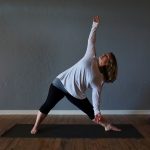
Moving more each day is about so much more than just hitting the gym. It’s about weaving activity into the fabric of your daily life, making small changes that add up to significant improvements in your physical and mental well-being. This guide will provide actionable strategies to incorporate more movement into your daily routine, no matter your current fitness level or lifestyle. Let’s get started on a journey toward a more active and healthier you!
The Importance of Daily Movement
Many of us spend a large portion of our day sitting, whether at a desk, in a car, or on the couch. This sedentary lifestyle can have detrimental effects on our health. Increasing daily movement is crucial for combating these negative effects.
Combating Sedentary Lifestyles
- Statistics: Studies show that prolonged sitting is linked to increased risks of heart disease, type 2 diabetes, obesity, and even certain types of cancer.
- The Goal: Aim to break up long periods of sitting with short bursts of activity. Even a few minutes of standing and stretching can make a difference.
Health Benefits of Increased Activity
- Physical Health: Improved cardiovascular health, stronger bones and muscles, weight management, and reduced risk of chronic diseases.
- Mental Health: Reduced stress and anxiety, improved mood, enhanced cognitive function, and better sleep.
- Energy Levels: Increased daily movement can actually boost energy levels, making you feel less fatigued throughout the day.
Simple Strategies for Moving More at Work
Incorporating movement into your workday can be surprisingly easy. These small changes can significantly impact your overall activity levels.
Desk-Based Activities
- Standing Desk: Consider using a standing desk or a desk converter to alternate between sitting and standing.
- Desk Exercises: Perform simple stretches, calf raises, or arm circles at your desk throughout the day. There are many resources online demonstrating effective desk exercises.
- Walking Breaks: Take short walking breaks every 30-60 minutes. Walk to a different part of the office, grab a drink, or simply walk around your desk.
- Active Meetings: Suggest walking meetings or stand-up meetings to encourage movement and engagement.
Commute Alternatives
- Walking or Cycling: If feasible, walk or cycle to work or part of the way. Even parking further away and walking the extra distance can contribute to increased activity.
- Public Transport: Stand on public transport instead of sitting, or get off a stop early and walk the rest of the way.
Integrating Movement into Your Home Life
Your home environment offers plenty of opportunities to increase your daily activity.
Active Chores
- Turn Chores into Workouts: Put on some music and approach chores like cleaning, gardening, and yard work with energy.
- Set a Timer: Challenge yourself to complete chores in a set amount of time to add a bit of intensity.
Family Activities
- Outdoor Games: Engage in active outdoor games with your family, such as tag, frisbee, or ball games.
- Family Walks or Hikes: Make regular walks or hikes a family tradition.
- Active Screen Time: Trade passive screen time for active video games or dance games.
Exercise Snacks
- What are they? Short bursts of exercise throughout the day, lasting anywhere from a few seconds to a few minutes.
- Examples: 20 squats while waiting for the kettle to boil, 10 push-ups against the counter while the microwave is running, or climbing the stairs a few times during a TV commercial break.
Tracking Your Progress and Staying Motivated
Tracking your progress and setting realistic goals are crucial for maintaining momentum and making daily movement a sustainable habit.
Goal Setting
- Start Small: Set small, achievable goals, such as walking for 10 minutes a day or taking the stairs instead of the elevator.
- Gradually Increase: As you become more comfortable, gradually increase the duration or intensity of your activities.
- Be Realistic: Set goals that are aligned with your current fitness level and lifestyle. Don’t try to do too much too soon.
Using Technology
- Fitness Trackers: Use a fitness tracker or smartwatch to monitor your steps, activity levels, and sleep patterns.
- Apps: Utilize fitness apps to track your workouts, set goals, and connect with other users for support and motivation.
Finding Activities You Enjoy
- Experiment: Try different activities until you find something you enjoy. This could be anything from dancing to swimming to hiking.
- Social Support: Exercise with a friend or family member to stay motivated and accountable.
Conclusion
Incorporating more movement into your daily life is an investment in your overall health and well-being. By implementing these simple strategies and tracking your progress, you can make significant improvements to your physical and mental health. Remember, even small changes can make a big difference. Start today and experience the benefits of moving more daily!