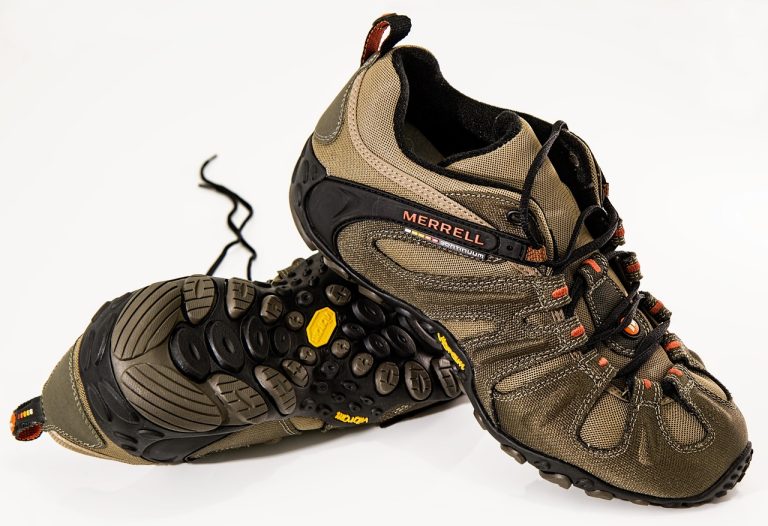
Time is a precious commodity, and for many, squeezing in a workout amidst busy schedules feels like an impossible task. The good news is, you don’t need hours in the gym to achieve your fitness goals. Time-saving fitness is all about efficiency, making every minute count, and incorporating exercise seamlessly into your daily routine. This guide will explore practical strategies and effective workouts to help you prioritize your health without sacrificing your valuable time.
High-Intensity Interval Training (HIIT)
What is HIIT?
High-Intensity Interval Training (HIIT) involves short bursts of intense exercise alternated with brief recovery periods. This method is incredibly effective for burning calories, improving cardiovascular health, and building muscle in a fraction of the time compared to traditional steady-state cardio. Studies have shown that HIIT can provide similar or even better results than longer, less intense workouts.
Benefits of HIIT
- Time-Efficient: HIIT workouts typically last between 10-30 minutes.
- Burns Calories Effectively: High intensity leads to increased calorie expenditure during and after the workout (the “afterburn effect”).
- Improves Cardiovascular Health: HIIT challenges your cardiovascular system, leading to improvements in heart health and endurance.
- Builds Muscle: HIIT can stimulate muscle growth, especially when combined with resistance exercises.
- Boosts Metabolism: HIIT can increase your metabolic rate, helping you burn more calories throughout the day.
Example HIIT Workout
This workout can be done anywhere with no equipment:
Warm-up (5 minutes): Light cardio, dynamic stretching.
Workout (15 minutes):
– Sprint in place (30 seconds)
– Rest (15 seconds)
– Jump squats (30 seconds)
– Rest (15 seconds)
– Push-ups (30 seconds)
– Rest (15 seconds)
– Mountain climbers (30 seconds)
– Rest (15 seconds)
– Repeat the circuit 3-4 times.
Cool-down (5 minutes): Static stretching.
- Actionable Takeaway: Integrate 2-3 HIIT sessions into your weekly schedule, focusing on different muscle groups each time.
Bodyweight Training
The Power of Your Own Weight
Bodyweight exercises utilize your own body weight to provide resistance, making them convenient, accessible, and effective. They require no equipment and can be done virtually anywhere. Bodyweight training is excellent for building strength, improving endurance, and increasing flexibility.
Advantages of Bodyweight Workouts
- Convenience: No gym membership or equipment required.
- Full-Body Engagement: Many bodyweight exercises engage multiple muscle groups simultaneously.
- Improved Functional Strength: Bodyweight exercises mimic real-life movements, improving overall functional strength.
- Enhanced Flexibility and Balance: Many bodyweight exercises require and improve flexibility and balance.
- Low Impact (can be modified): Many bodyweight exercises can be modified to suit different fitness levels, making them suitable for beginners.
Effective Bodyweight Exercises
- Squats: Strengthens legs and glutes.
- Push-ups: Works chest, shoulders, and triceps.
- Lunges: Targets legs and glutes, improves balance.
- Plank: Strengthens core and improves stability.
- Burpees: Full-body exercise for cardiovascular fitness and strength.
- Glute Bridges: Isolates and strengthens glutes and hamstrings.
Example Bodyweight Circuit
Perform each exercise for 45 seconds, followed by 15 seconds of rest. Repeat the circuit 2-3 times.
Squats
Push-ups
Lunges (alternating legs)
Plank
Glute Bridges
- Actionable Takeaway: Dedicate 15-20 minutes, 3-4 times a week to bodyweight training. Gradually increase the duration or intensity as you get stronger.
Active Lifestyle Integration
Making Fitness a Habit
Incorporating physical activity into your daily routine is a sustainable way to stay fit without carving out dedicated workout time. It’s about making small changes that add up to significant health benefits over time.
Strategies for Active Integration
- Walk or bike to work/errands: Replace short car rides with walking or cycling.
- Take the stairs instead of the elevator: An easy way to increase your daily step count and engage your leg muscles.
- Stand while working: Using a standing desk or taking standing breaks throughout the day can improve posture and burn more calories. Research suggests that standing for even a few hours a day can have a positive impact on overall health.
- Take active breaks: During work hours, take short breaks to stretch, walk around, or do some light exercises.
- Incorporate activity into social events: Suggest active outings like hiking, biking, or playing sports with friends.
- Household Chores: Housework like gardening, mowing, or vacuuming burns calories and contributes to your daily activity level.
Track Your Progress
Use a fitness tracker or smartphone app to monitor your daily activity levels and set goals. Seeing your progress can be a great motivator to stay active.
- Actionable Takeaway: Identify small changes you can make to your daily routine to incorporate more physical activity. Start with one or two changes and gradually add more over time.
Compound Exercises & Strength Training
Maximize Your Muscle Engagement
Compound exercises are multi-joint movements that work multiple muscle groups simultaneously. They are highly effective for building strength, burning calories, and improving overall fitness. Including a few key compound movements in your routine can save you time and provide maximum benefits.
Benefits of Compound Exercises
- Time-Efficient: Works multiple muscle groups at once.
- Increased Calorie Burn: Requires more energy expenditure.
- Improved Functional Strength: Mimics real-life movements.
- Hormonal Response: Stimulates the release of anabolic hormones that promote muscle growth.
Effective Compound Exercises
- Squats: Works legs, glutes, and core.
- Deadlifts: Works legs, back, and core.
- Bench Press: Works chest, shoulders, and triceps.
- Overhead Press: Works shoulders, triceps, and core.
- Rows: Works back and biceps.
Example Strength Training Routine
Perform 3 sets of 8-12 repetitions for each exercise.
Squats
Bench Press
Rows
Overhead Press
Deadlifts (once a week only)
- Actionable Takeaway: Incorporate 2-3 strength training sessions into your week, focusing on compound exercises to maximize efficiency.
Conclusion
Time-saving fitness is about prioritizing efficiency and integrating physical activity into your daily life. By incorporating HIIT workouts, bodyweight training, active lifestyle integration, and compound exercises, you can achieve your fitness goals without sacrificing valuable time. Remember that consistency is key, so find activities you enjoy and make them a regular part of your routine. Start small, be patient, and celebrate your progress along the way!