Physical Address
304 North Cardinal St.
Dorchester Center, MA 02124
Physical Address
304 North Cardinal St.
Dorchester Center, MA 02124

Breaking a sweat doesn’t always require a pricey gym membership. For many men, the convenience and comfort of home make it the perfect place to build strength, improve fitness, and achieve their health goals. Whether you’re a seasoned athlete looking to supplement your training or just starting your fitness journey, a well-planned home fitness routine can deliver incredible results. This guide will provide a roadmap to creating an effective and sustainable home fitness plan tailored specifically for men.
Before diving into exercises, consider the space you have available. Even a small corner can be transformed into a functional workout area. Think about:
You don’t need a full-fledged gym to get a great workout at home. Here are some essential pieces of equipment to consider, starting with the most affordable:
Example: Use resistance bands for bicep curls, squats, and rows.
Benefit: Allows you to target different muscle groups effectively.
Tip: Opt for a speed rope for a more intense workout.
Caution: Ensure the bar is securely installed for safety.
Before creating a workout routine, define your goals. Are you aiming to:
Here’s a sample workout schedule for a 3-day split targeting different muscle groups:
Push-ups: 3 sets of 10-15 reps
Dumbbell Chest Press: 3 sets of 8-12 reps
Dumbbell Shoulder Press: 3 sets of 8-12 reps
Tricep Dips (using a chair or bench): 3 sets of 10-15 reps
Squats: 3 sets of 12-15 reps
Lunges: 3 sets of 10-12 reps per leg
Romanian Deadlifts (with dumbbells): 3 sets of 10-12 reps
Calf Raises: 3 sets of 15-20 reps
Pull-Ups (or Inverted Rows): 3 sets of as many reps as possible (AMRAP)
Dumbbell Rows: 3 sets of 8-12 reps per arm
Bicep Curls: 3 sets of 10-15 reps
Plank: 3 sets, hold for 30-60 seconds
Crunches: 3 sets of 15-20 reps
Progressive overload is key to building strength and muscle. Gradually increase the weight, reps, or sets over time.
Nutrition plays a vital role in achieving your fitness goals.
Sources: Chicken, fish, lean beef, eggs, Greek yogurt, protein powder.
Sources: Avocados, nuts, seeds, olive oil.
Adequate rest is crucial for muscle recovery and preventing injuries.
Example: Hold each stretch for 30 seconds, focusing on major muscle groups.
Set achievable goals that align with your fitness level and lifestyle.
Monitor your progress to stay motivated.
Working out with a friend or family member can help you stay accountable.
Prevent boredom and plateauing by changing up your workouts regularly.
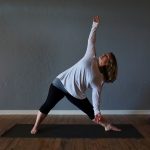
* Example: Incorporate HIIT workouts, bodyweight circuits, or yoga into your routine.
Establishing a consistent and effective home fitness routine is achievable with the right plan and dedication. By investing in essential equipment, designing a targeted workout routine, prioritizing nutrition and recovery, and staying motivated, men can achieve their fitness goals from the comfort of their homes. Remember to listen to your body, adjust your routine as needed, and celebrate your progress along the way. Your journey to a fitter, healthier you starts at home.