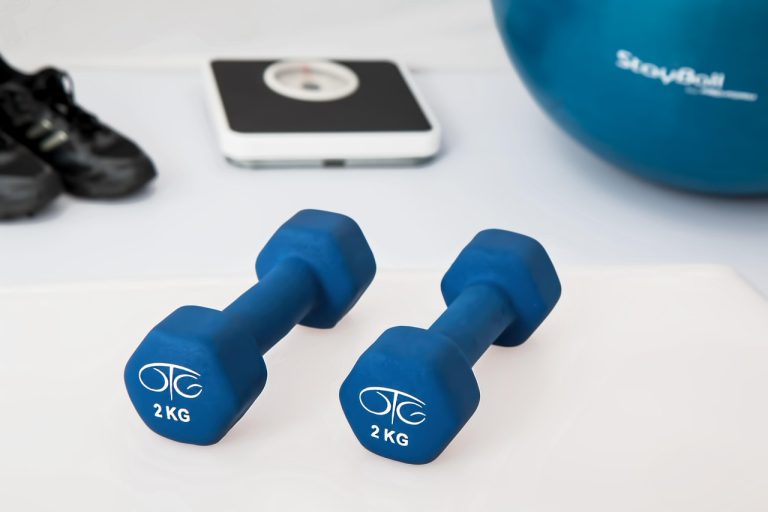
Embarking on a fitness journey can feel daunting, but setting achievable beginner fitness goals is the key to long-term success. Forget overnight transformations; instead, focus on building a sustainable foundation that fits into your lifestyle. This guide will break down how to define realistic goals, track progress, and celebrate your wins, making fitness an enjoyable part of your routine.
Defining Your “Why”: Setting Meaningful Fitness Goals
Understanding Your Motivations
Before jumping into specific exercises, take some time to understand why you want to improve your fitness. This “why” will be your North Star when motivation dips. Common motivations include:
- Improved Health: Reducing risks of diseases like diabetes, heart disease, and some cancers.
- Increased Energy Levels: Feeling more energetic throughout the day and having more stamina.
- Weight Management: Achieving or maintaining a healthy weight.
- Mental Well-being: Reducing stress, anxiety, and improving mood.
- Increased Confidence: Feeling better about yourself and your body.
SMART Goal Setting: The Framework for Success
Once you understand your motivations, translate them into SMART goals:
- Specific: Clearly define what you want to achieve. Instead of “get in shape,” try “walk for 30 minutes, 3 times a week.”
- Measurable: Track your progress. Use a fitness tracker, journal, or app to monitor your workouts and achievements.
- Achievable: Set realistic goals that you can actually accomplish. Starting too aggressively can lead to burnout.
- Relevant: Ensure your goals align with your overall values and motivations.
- Time-Bound: Set a deadline for achieving your goals. This creates a sense of urgency and helps you stay on track.
- Example: A SMART goal could be: “I will walk for 30 minutes, 3 times a week, for the next month to improve my cardiovascular health.”
Building a Beginner-Friendly Workout Routine
Cardio for Beginners: Getting Your Heart Pumping
Cardiovascular exercise is essential for overall health. Start with low-impact options and gradually increase intensity and duration:
- Walking: A simple and accessible activity. Aim for brisk walks in your neighborhood or at a park.
- Swimming: Gentle on the joints, making it ideal for people with injuries or joint pain.
- Cycling: Another low-impact option that can be done indoors or outdoors.
- Dancing: A fun and engaging way to get your heart rate up.
- Elliptical Trainer: Provides a full-body workout with minimal impact.
- Tip: Begin with 20-30 minutes of cardio, 2-3 times per week, and gradually increase the duration or intensity as you become more comfortable.
Strength Training: Building Muscle and Bone Density
Strength training is not just for bodybuilders; it’s crucial for building muscle, strengthening bones, and improving overall health.
Squats: Targets your legs and glutes.
Push-ups: Works your chest, shoulders, and triceps. Start with modified push-ups on your knees if needed.
Lunges: Strengthens your legs and improves balance.
Plank: Engages your core muscles for stability.
Bicep Curls: Works your biceps.
Overhead Press: Strengthens your shoulders.
Rows: Targets your back muscles.
- Tip: Start with 2-3 sets of 10-12 repetitions for each exercise, using a weight that challenges you but allows you to maintain good form. Perform strength training exercises 2-3 times per week, with rest days in between.
Flexibility and Mobility: Improving Range of Motion
Flexibility and mobility exercises are often overlooked but are crucial for preventing injuries and improving overall movement.
- Static Stretching: Holding a stretch for 30 seconds to lengthen muscles. Examples include hamstring stretches, quadriceps stretches, and calf stretches.
- Dynamic Stretching: Moving through a range of motion to warm up muscles. Examples include arm circles, leg swings, and torso twists.
- Yoga: Combines stretching, strength, and mindfulness.
- Pilates: Focuses on core strength and flexibility.
- Tip: Incorporate flexibility and mobility exercises into your routine several times per week, either after your workouts or on rest days.
Nutrition for Fitness Beginners: Fueling Your Body Right
Understanding Macronutrients
Proper nutrition is just as important as exercise. Focus on consuming a balanced diet that includes:
- Protein: Essential for muscle repair and growth. Aim for 0.8 grams of protein per kilogram of body weight. Sources include lean meats, poultry, fish, eggs, beans, and lentils.
- Carbohydrates: Provide energy for your workouts. Choose complex carbohydrates like whole grains, fruits, and vegetables.
- Fats: Important for hormone production and overall health. Opt for healthy fats like avocados, nuts, seeds, and olive oil.
Hydration: Staying Properly Hydrated
Water is essential for all bodily functions. Drink plenty of water throughout the day, especially before, during, and after your workouts.
- Tip: Carry a water bottle with you and aim to drink at least 8 glasses of water per day.
Mindful Eating: Listening to Your Body
Pay attention to your body’s hunger and fullness cues. Avoid eating when you’re not hungry and stop when you’re satisfied, not stuffed.
- Eat slowly: Allows your brain to register fullness.
- Avoid distractions while eating: Helps you pay attention to your body’s signals.
- Plan your meals: Reduces the likelihood of making unhealthy choices.
Tracking Progress and Staying Motivated
Using Fitness Trackers and Apps
Fitness trackers and apps can help you monitor your activity levels, track your progress, and stay motivated. Popular options include:
- Fitbit
- Apple Watch
- MyFitnessPal
- Strava
Celebrating Small Wins
Acknowledge and celebrate your achievements, no matter how small they may seem. This helps you stay motivated and build momentum.
- Treat yourself (in moderation) for reaching a milestone.
- Share your progress with friends or family.
- Reflect on how far you’ve come.
Addressing Setbacks and Plateaus
It’s normal to experience setbacks and plateaus. Don’t get discouraged; instead, adjust your routine, seek support, and remember your “why.”
- Vary your workouts: Prevents boredom and helps you break through plateaus.
- Increase the intensity or duration of your workouts: Challenges your body and promotes further progress.
- Consult with a fitness professional: Can provide personalized guidance and support.
Conclusion
Starting a fitness journey is a marathon, not a sprint. By setting achievable beginner fitness goals, building a well-rounded workout routine, fueling your body properly, and tracking your progress, you can create a sustainable and enjoyable path to better health and well-being. Remember to be patient, consistent, and celebrate your accomplishments along the way. Your fitness journey is unique to you, so enjoy the process of discovering what works best for your body and your goals.